
A Guide to Scenic Campgrounds, State Parks, and Outdoor Destinations Across North Carolina
North Carolina offers one of the most geographically diverse outdoor landscapes in the eastern United States, stretching from the Appalachian Mountains to coastal estuaries and barrier islands. For travelers exploring by campervan, this range of terrain means access to mountain overlooks, lakeside campsites, forest trails, and waterfront parks all within a single state. Whether planning a multi-day road trip or mapping out weekend stops, North Carolina provides a wide selection of campgrounds and natural destinations that reward unhurried exploration.
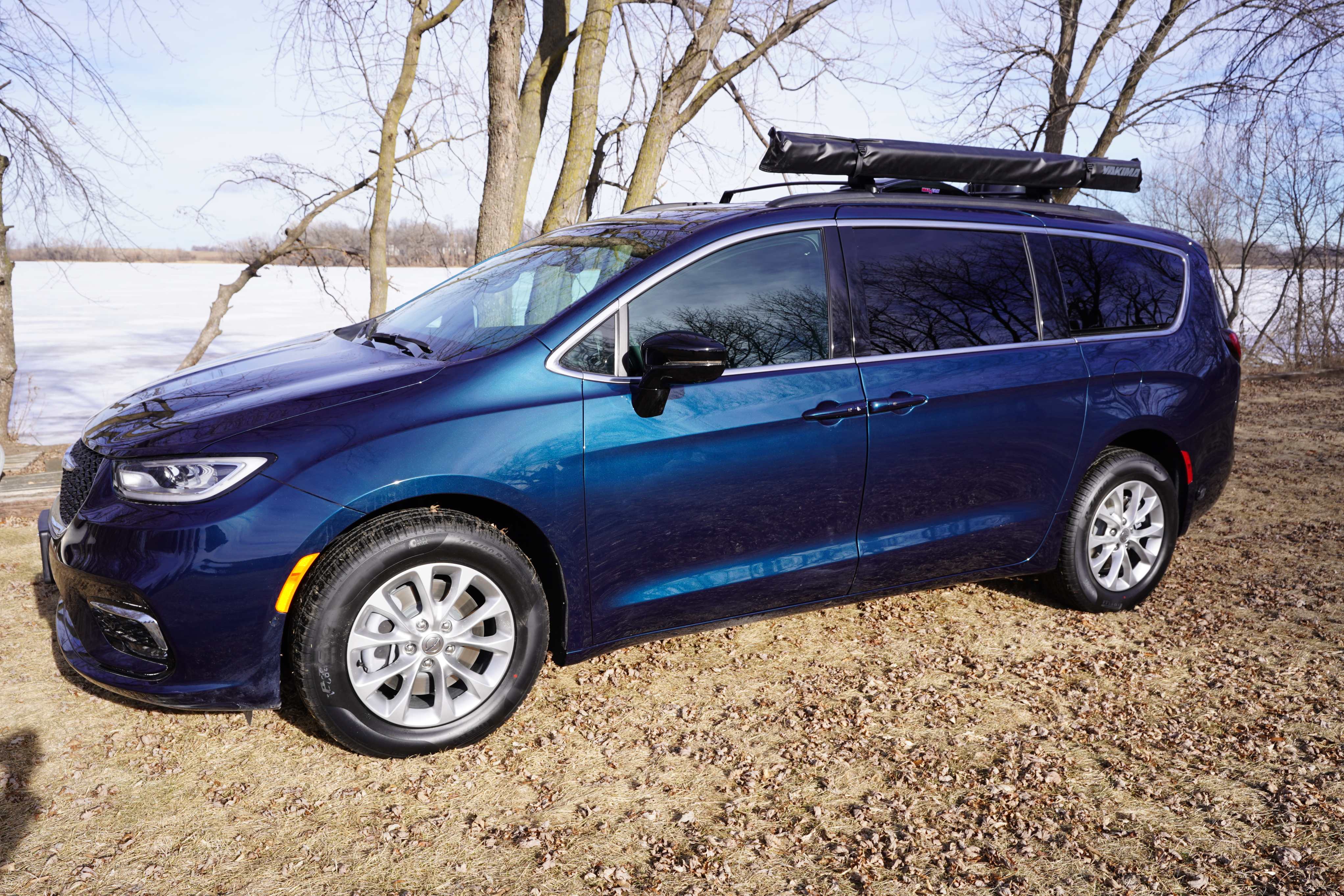
Uwharrie National Forest
Located in central North Carolina, Uwharrie National Forest spans more than 50,000 acres of rolling hills, hardwood forest, lakes, and streams. Campgrounds such as Badin Lake and Arrowhead provide access to hiking trails, paddling routes, and fishing areas. The Uwharrie Trail is a favorite for hikers, and the nearby town of Troy offers a convenient place to stop for supplies or local sightseeing. The forest’s moderate terrain and manageable layout make it approachable for a wide range of outdoor interests.
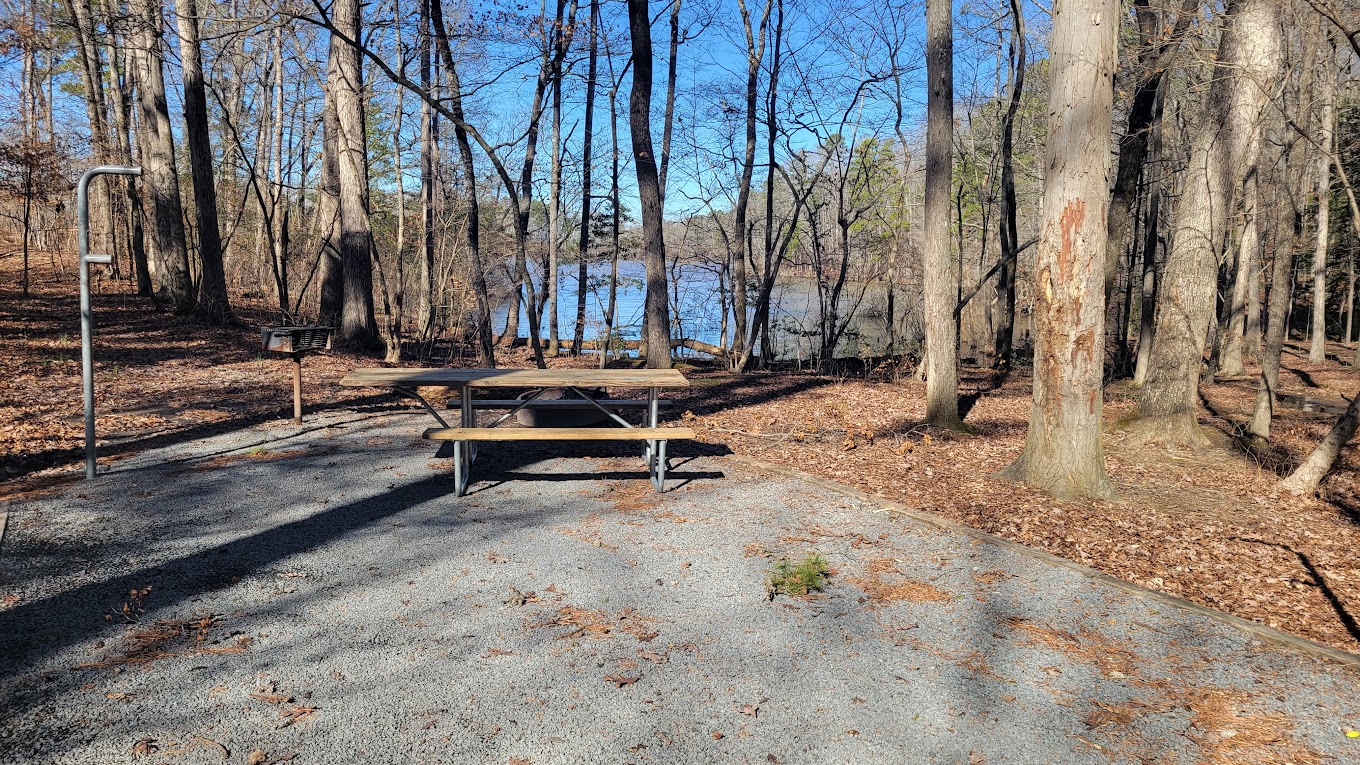
Linville Gorge Wilderness
Often referred to as the “Grand Canyon of the East,” Linville Gorge is known for steep cliffs, sweeping views, and rugged backcountry terrain. Primitive campsites and dispersed camping areas provide opportunities for quiet stays in nature. Highlights include Table Rock Mountain, Linville Falls, and a network of challenging trails that wind through one of the Southeast’s most scenic wilderness areas. The dramatic topography and remote atmosphere make it a memorable destination for those seeking a more immersive outdoor experience.

Lake Norman State Park
Anchored by North Carolina’s largest man-made lake, Lake Norman State Park combines shoreline scenery with well-maintained camping facilities. Campsites range from standard tent areas to sites suitable for RVs and campervans. The lake supports boating, fishing, swimming, and paddling, while trails such as the Lake Shore Trail provide miles of scenic terrain for walking or cycling. Quiet coves and wooded shoreline stretches offer a relaxing environment close to the water.
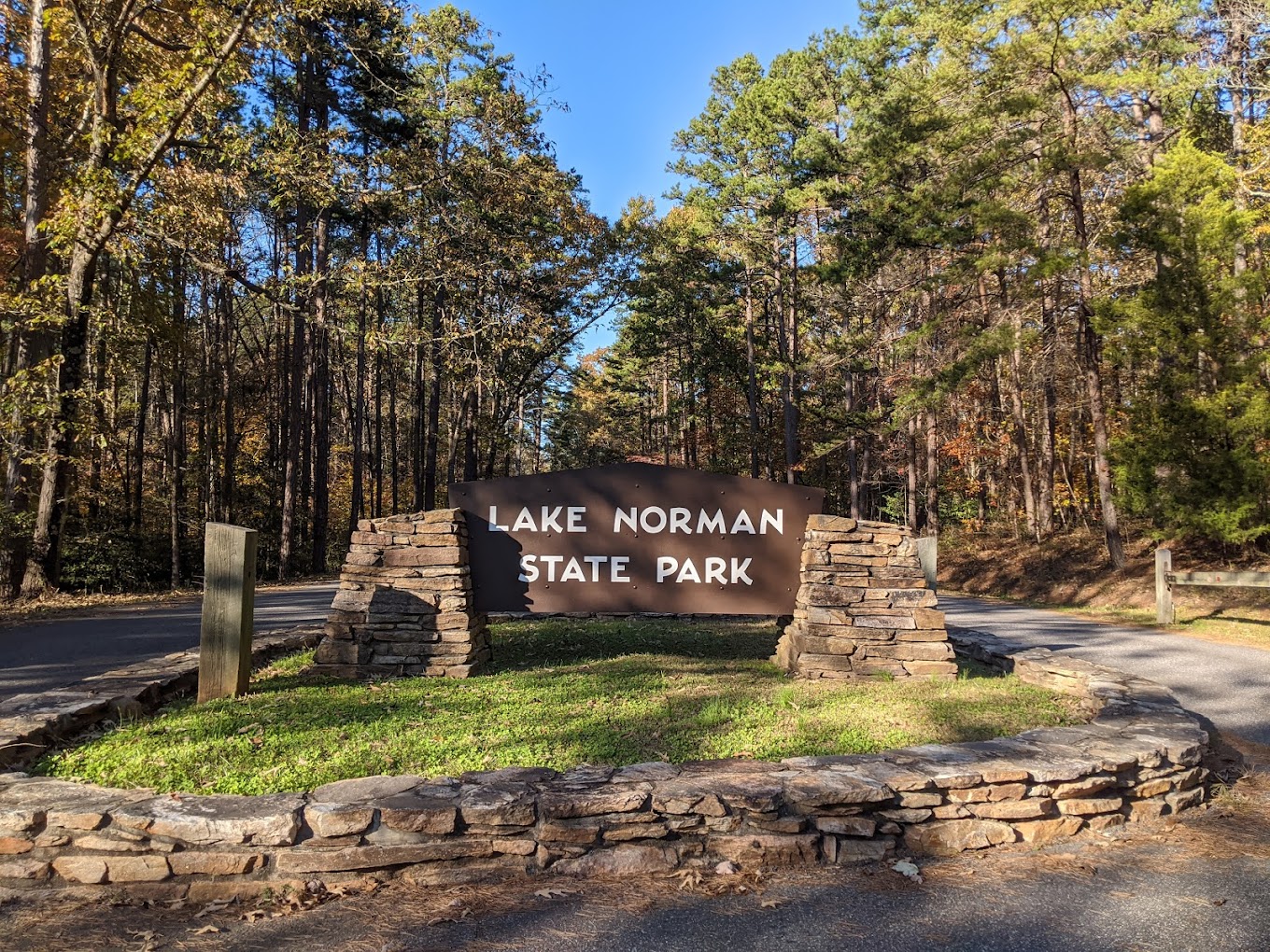
Croatan National Forest
In eastern North Carolina, Croatan National Forest features a distinctive mix of pine forests, saltwater estuaries, and coastal wetlands. Campgrounds such as Cedar Point and Flanners Beach provide access to kayaking routes, birdwatching areas, and shoreline fishing spots. Nearby New Bern adds a historic coastal town setting with waterfront views and preserved architecture. The forest’s coastal environment offers a different perspective from the state’s mountain and inland regions.

Jordan Lake State Recreation Area
Centered around a 14,000-acre reservoir, Jordan Lake is known for spacious campsites, swimming beaches, and boating access. Campgrounds such as Poplar Point and Crosswinds place visitors close to the water, while trails like the New Hope Trail wind through forested shoreline landscapes. The lake is also recognized for wildlife viewing, including sightings of bald eagles. Its central location makes it a convenient destination for travelers exploring multiple regions of the state.
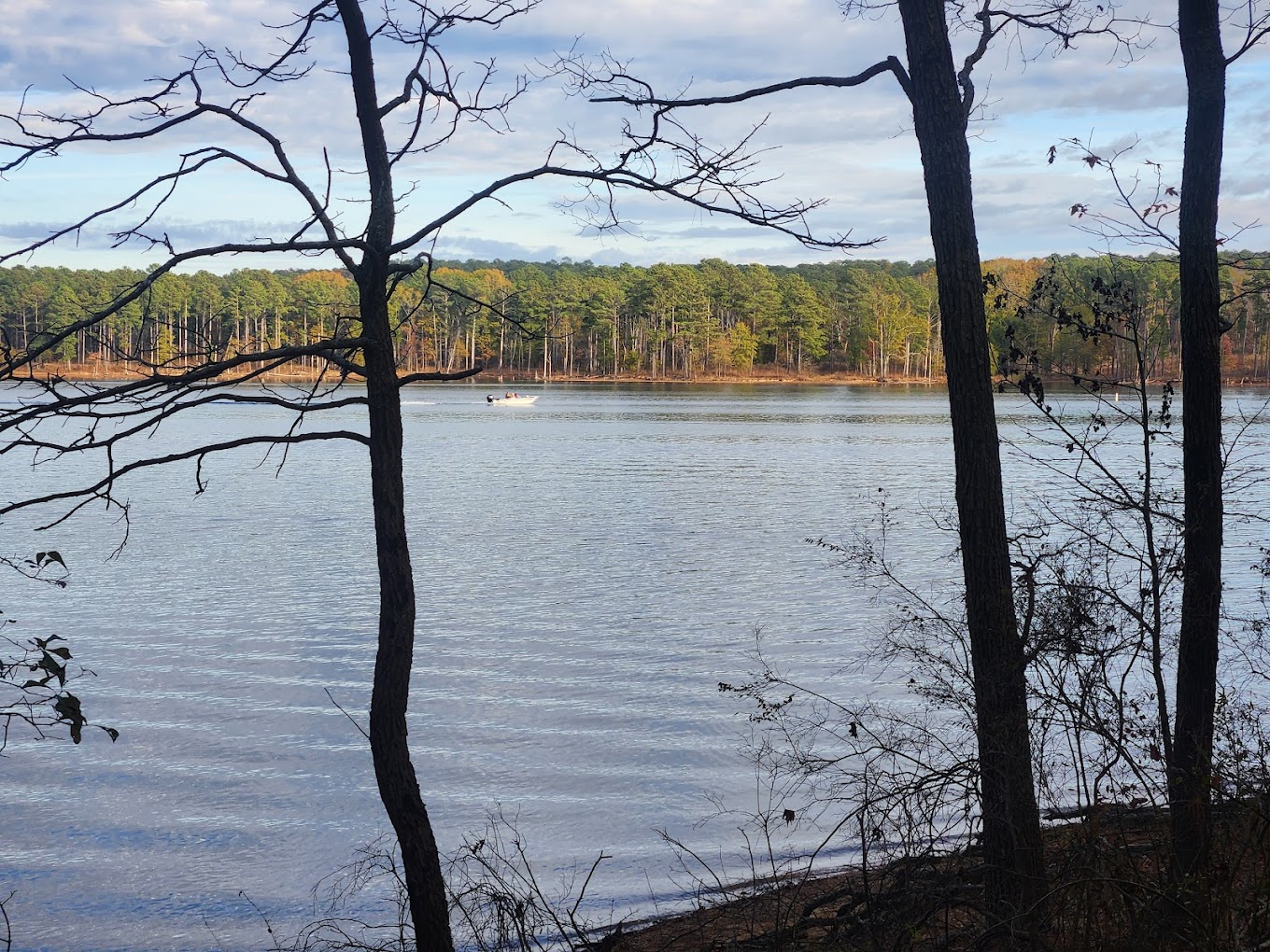
South Mountains State Park
One of the largest state parks in North Carolina, South Mountains State Park encompasses more than 20,000 acres of mountain landscape. Campgrounds such as Chestnut Knob and Hemlock Shoals serve as starting points for exploring waterfalls, streams, and wooded ridges. High Shoals Falls is a particularly popular destination, especially after seasonal rains. The park’s extensive trail network supports hiking, fishing, and quiet time in nature.

Notable Stops Beyond Campgrounds
The Blue Ridge Parkway stretches 469 miles through North Carolina and Virginia, offering scenic overlooks, trailheads, waterfalls, and historic landmarks along the Appalachian crest. Many travelers treat it as a route rather than a single destination, stopping along the way to explore viewpoints and trails. Along the western border of the state, the Great Smoky Mountains region is known for mist-covered ridges, diverse wildlife, and extensive hiking opportunities. Near Asheville, the Biltmore Estate area combines historic architecture with thousands of acres of landscaped grounds, gardens, and trails, making it a worthwhile stop while traveling through the Blue Ridge region.

Traveling North Carolina by Campervan
North Carolina’s varied geography makes it especially well suited for campervan travel. Mountain roads, coastal highways, and rural byways connect parks and forests in ways that allow flexible routing and spontaneous stops. Compact campervans are particularly practical for navigating scenic park roads, fitting into smaller campsites, and accessing trailheads that may be difficult for larger vehicles.
Why North Carolina Appeals to Travelers
From river valleys and hardwood forests to lakeshores and mountain overlooks, North Carolina provides an environment that encourages exploration at a comfortable pace. Its combination of public lands, state parks, national forests, and scenic drives allows travelers to experience multiple landscapes within a single trip. For anyone planning a camping route through the Southeast, North Carolina stands out as a destination where natural scenery, recreation opportunities, and accessible campgrounds come together in one travel-friendly state.
