
Buying a Vehicle in the United States as a Canadian Seasonal Resident
Many Canadians who own seasonal homes in the United States—often referred to as snowbirds—choose to purchase a vehicle while in the U.S. Doing so can simplify travel, reduce costs over time, and provide greater flexibility during extended stays. Whether the vehicle remains in the United States or is eventually brought back to Canada, there are important considerations to understand before purchasing.
This article outlines how buying a vehicle in the U.S. works for Canadians, what to expect regarding registration and insurance, and what is involved if the vehicle is later imported into Canada.
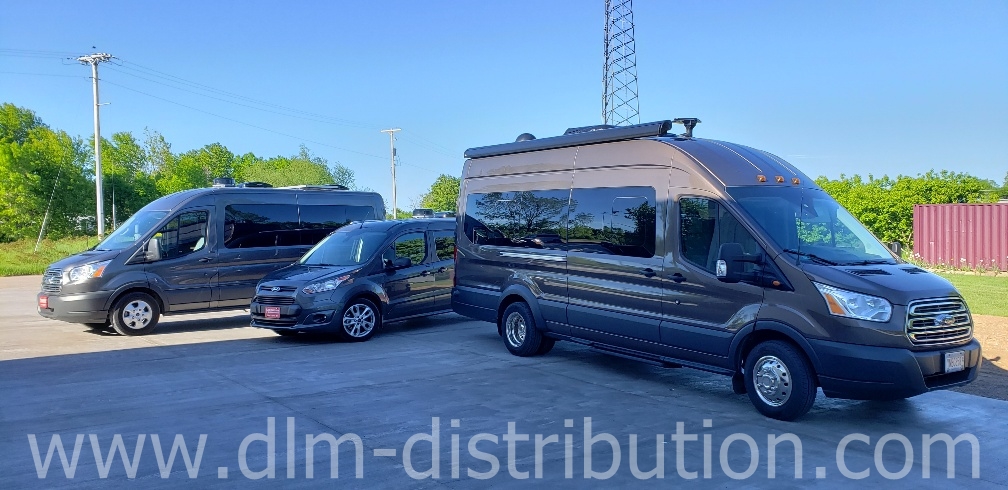
Convenience for Canadians with U.S. Seasonal Homes
Owning a vehicle at a U.S. seasonal residence can significantly improve convenience. Rather than renting a car for each visit or transporting a vehicle back and forth across the border, many Canadians find it easier to keep a dedicated vehicle at their U.S. home.
This approach allows for immediate mobility upon arrival and simplifies everyday tasks such as grocery shopping, medical appointments, and local travel. For those who spend several months each year in the U.S., vehicle ownership often becomes more practical than repeated rentals.
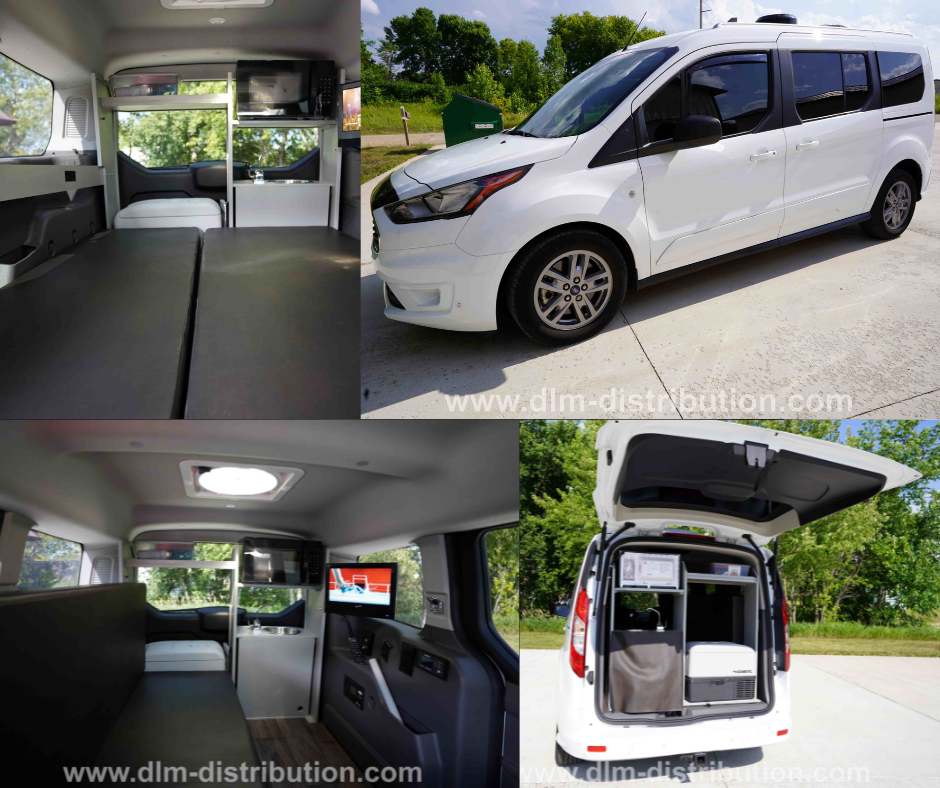
Broader Vehicle Selection in the U.S. Market
The U.S. vehicle market offers a wider selection of models, trims, and configurations than what is often available in Canada. In some cases, certain vehicles or features are only offered in the U.S. or are more readily available with shorter wait times.
Pricing can also be competitive, particularly for used vehicles, although exchange rates, taxes, and fees should always be factored into the overall cost. For Canadians spending extended time in the U.S., having access to a broader market can make it easier to find a vehicle that fits their specific needs.
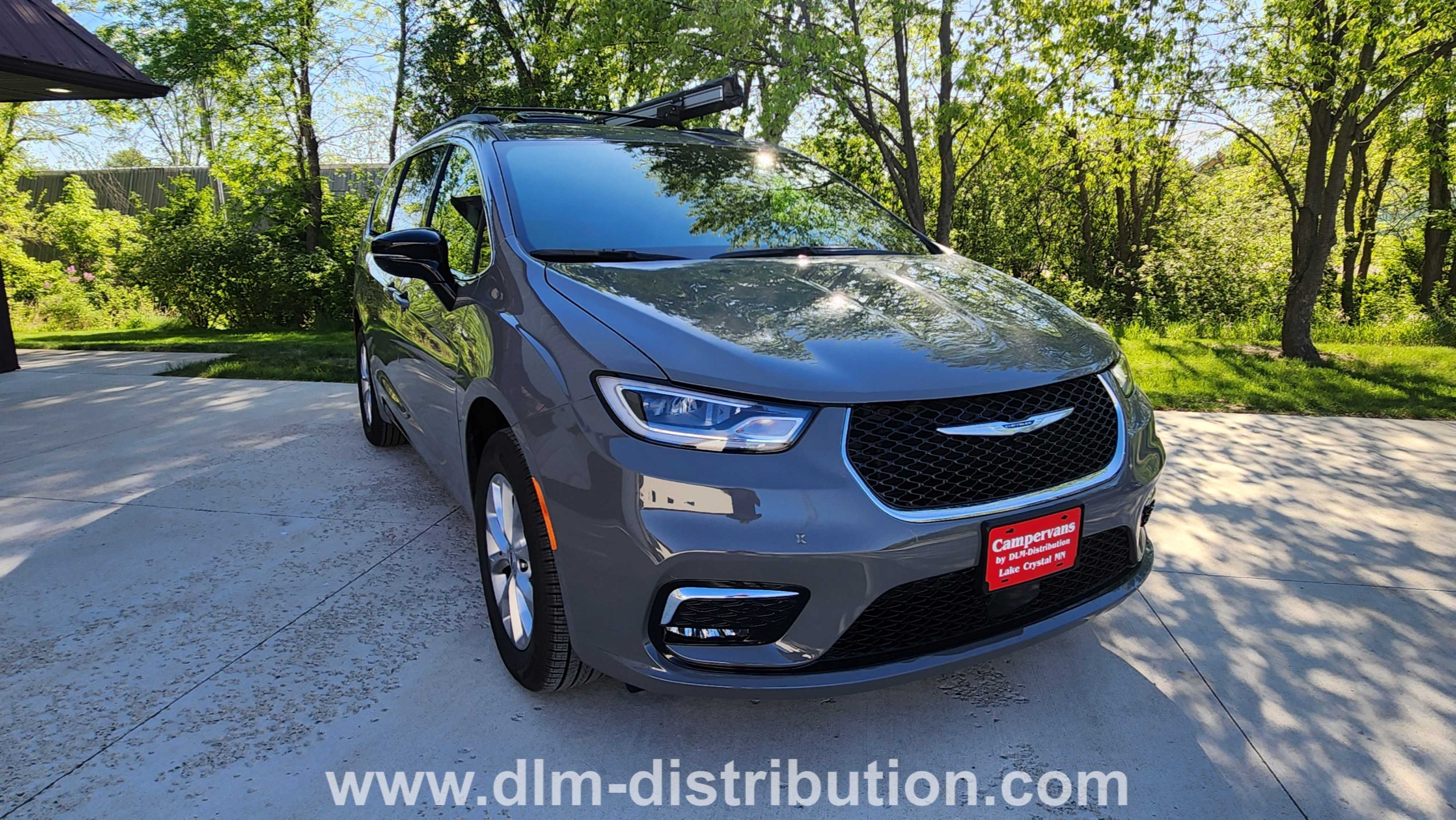
Purchasing a Vehicle in the U.S. as a Canadian
Canadians are legally allowed to purchase vehicles in the United States. The process itself is generally similar to that for U.S. residents: selecting a vehicle, negotiating price, completing paperwork, and receiving a title or manufacturer’s certificate of origin.
However, Canadians should be aware that financing options may be limited without a U.S. credit history. Many purchases are completed using cash or wire transfer, though some lenders and dealerships do accommodate international buyers.
Registration and Insurance in the United States
If the vehicle will remain in the U.S., it must be registered and insured in the state where it is primarily kept. Registration requirements vary by state and may include proof of address, insurance coverage, and payment of state-specific fees and taxes.
Insurance is typically obtained through U.S.-based insurance providers, though some Canadian insurers offer cross-border or extended coverage options. It is important to confirm that coverage meets state requirements and aligns with how the vehicle will be used.
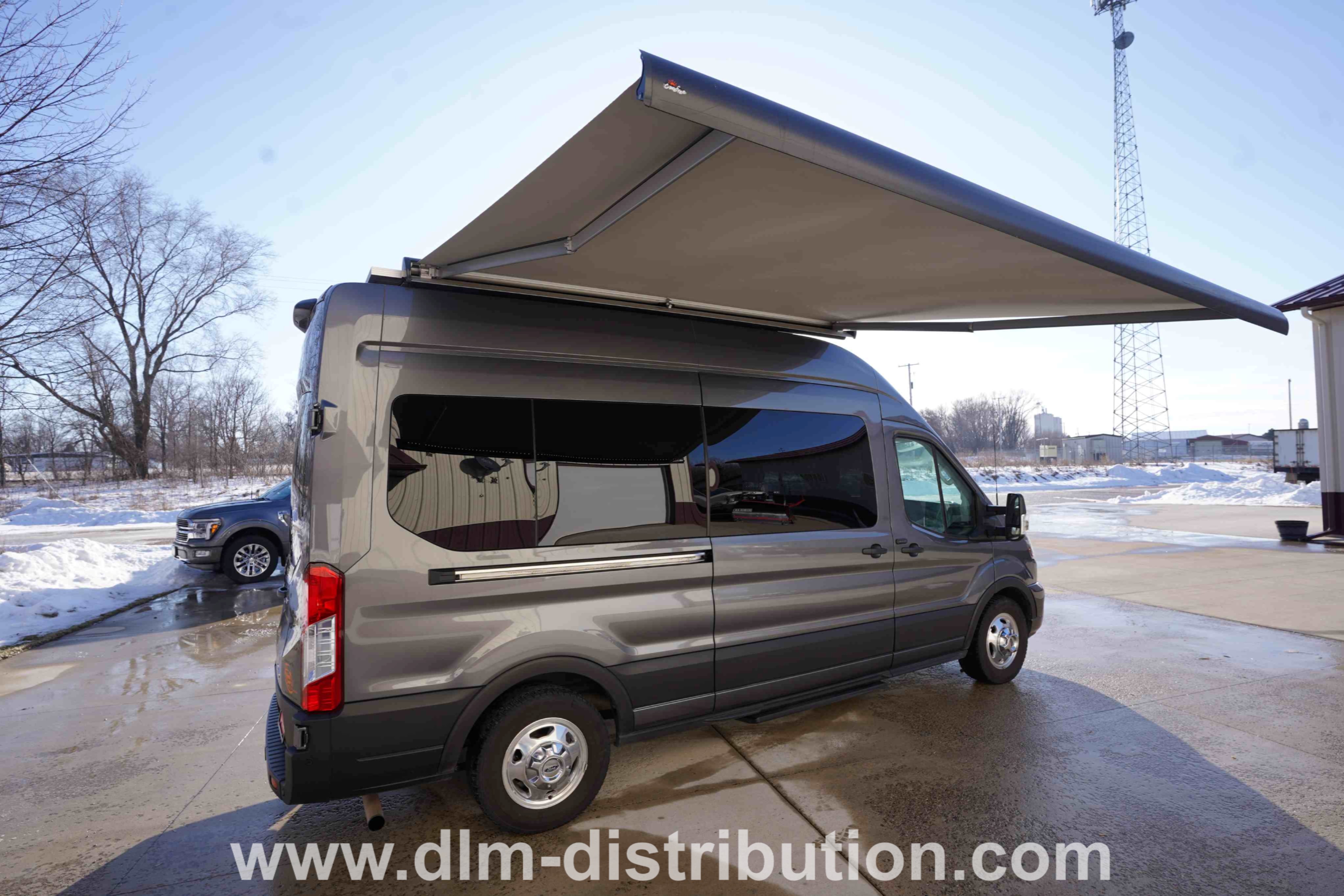
Importing a U.S. Vehicle into Canada
Some Canadians later decide to bring their U.S.-purchased vehicle back to Canada, either permanently or after selling their U.S. property. Importing a vehicle into Canada involves several steps and requires compliance with Canadian safety and environmental regulations.
Most vehicles must meet Canadian Motor Vehicle Safety Standards (CMVSS) and emissions requirements. Depending on the vehicle, modifications or inspections may be required before it can be registered in Canada. Not all U.S. vehicles are eligible for import, so eligibility should be confirmed before purchase if future importation is a possibility.
Documentation and Customs Requirements
Importing a vehicle into Canada requires specific documentation, including the original title, bill of sale, and proof that any manufacturer recalls have been addressed. At the border, the vehicle must be declared and cleared through Canadian customs.
Applicable duties, taxes, and fees may apply, including GST or HST, and in some cases, provincial sales tax. The exact costs depend on the vehicle, its origin, and the province where it will be registered.
Registering the Vehicle in Canada
Once the vehicle has cleared customs and met all compliance requirements, it must be registered in the owner’s home province or territory. This process includes a provincial safety inspection, proof of insurance, and payment of registration fees.
Each province has its own procedures, so checking local requirements in advance can help avoid delays.
A Practical Cross-Border Ownership Option
Buying a vehicle in the United States can be a practical solution for Canadians who spend significant time at U.S. seasonal residences. It offers convenience, flexibility, and access to a broader vehicle market. However, it also requires careful planning—especially if importing the vehicle into Canada is a future possibility.
By understanding registration rules, insurance requirements, and import regulations ahead of time, Canadians can make informed decisions and avoid unnecessary complications. With proper preparation, owning a U.S.-based vehicle can be a smooth and effective part of cross-border seasonal living.