
NEWS
Electrical systems are one of the most important parts of any recreational vehicle. Whether someone travels in a large motorhome, a towable camper, or a compact Class B campervan, the ability to manage electricity efficiently determines how comfortable and convenient life on the road can be.
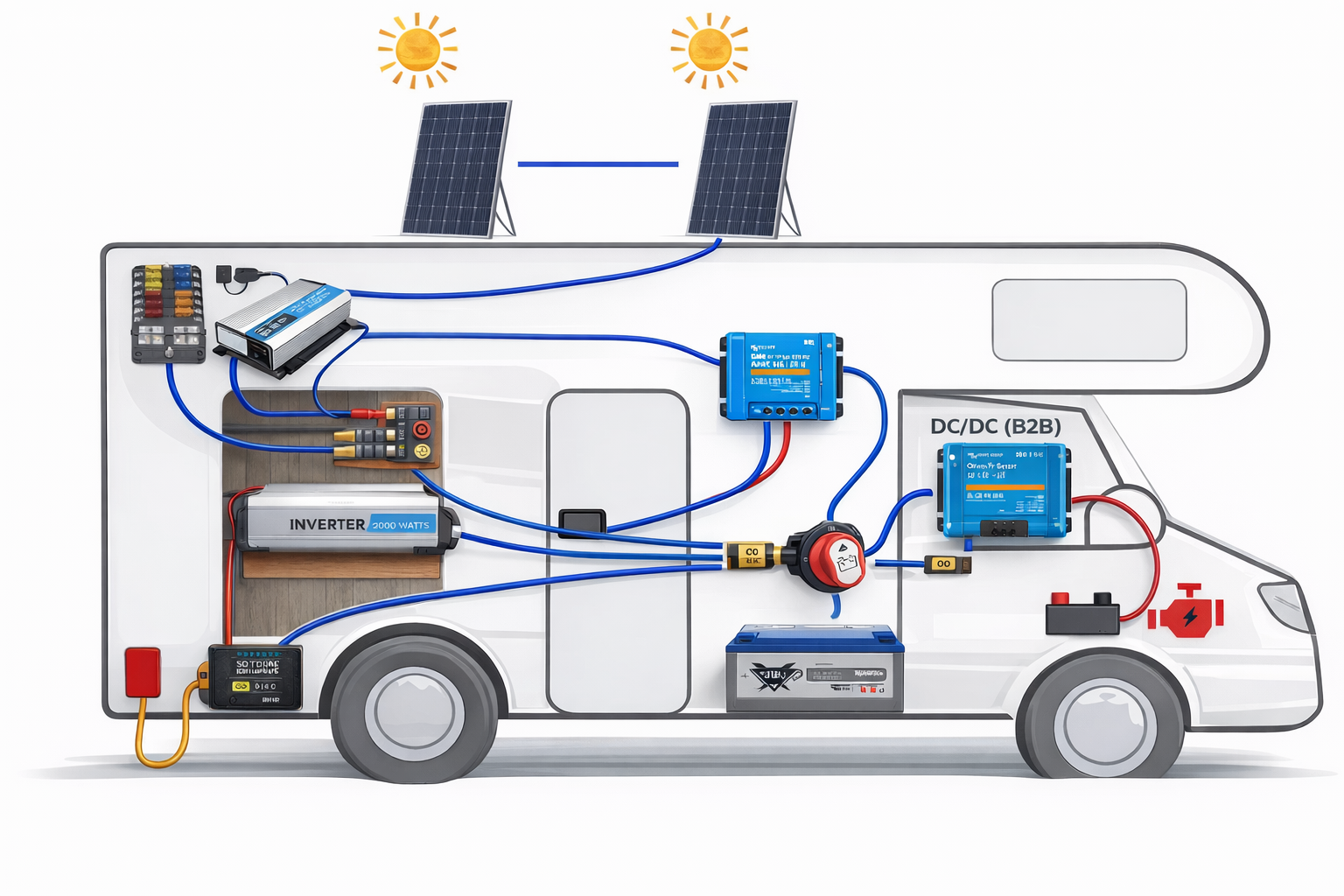
Todays RV power systems rely on several key components working together to store, convert, and distribute electricity throughout the vehicle. Among the most important of these components are inverters, converters, and inverter chargers. Each performs a different role, and understanding how they work together can help RV owners better understand how power is managed both when plugged into shore power and when camping off-grid.
RV Inverters: Turning Battery Power into Usable Electricity
An inverter converts direct current, commonly referred to as DC power, into alternating current, or AC power. Batteries store electricity in DC form, but most household appliances and electronics are designed to operate on AC power.
Because of this difference, an inverter becomes an essential part of many RV electrical systems. It allows battery power to run devices such as microwave ovens, televisions, laptops, and other electronics that would normally require standard household outlets.
When an RV is not connected to campground power, the inverter allows stored energy from the batteries to provide usable electricity for these appliances. For travelers who enjoy camping without hookups, the inverter becomes one of the most important components of the RV’s electrical system.
RV Converters: Charging Batteries and Operating DC Systems
While an inverter converts DC power into AC power, a converter performs the opposite function. A converter changes AC electricity into DC electricity.
This process becomes important when an RV is connected to shore power at a campground or RV park. Campground electrical pedestals provide AC power, but many of the systems inside an RV operate on DC power.
The converter transforms the incoming AC power into DC power so the RV’s batteries can charge and the vehicle’s DC electrical systems can continue operating. These DC systems often include lighting, water pumps, ventilation fans, control panels, and other core components of the RV.
Without a converter, the batteries would not recharge properly when plugged into shore power.
Inverter Chargers: Integrating Multiple Electrical Functions
An inverter charger combines several electrical functions into a single unit. It integrates an inverter, a battery charger, and an automatic transfer switch into one system that manages how power flows through the RV.
When the RV is operating from battery power, the inverter portion of the system converts stored DC electricity into AC power for appliances. When the vehicle is connected to shore power, the battery charging portion of the system begins replenishing the batteries.
At the same time, the transfer switch automatically manages the transition between power sources. When shore power is available, appliances draw electricity directly from the external source. When shore power is disconnected, the system shifts back to battery and inverter power without interrupting the electrical supply.
This integration simplifies the RV’s electrical system and allows power to be managed efficiently and automatically.
Why Pure Sine Wave Inverters Matter
Inverters can produce different types of electrical output, and the quality of that output can affect how appliances operate.
Modified sine wave inverters generate a stepped electrical signal that approximates household power. While this type of inverter can operate many basic appliances, some electronics and sensitive devices may not perform as efficiently when powered this way.
Pure sine wave inverters produce a smooth electrical waveform that closely matches the electricity delivered through the residential power grid. This type of power is ideal for electronics such as computers, televisions, and many modern appliances.
For this reason, many RV electrical systems rely on pure sine wave inverter chargers to ensure compatibility with a wide range of devices and electronics used while traveling.
Power Systems in Modern Campervans
Compact RVs and campervans have increasingly adopted integrated electrical systems similar to those found in larger motorhomes. These systems allow travelers to run essential appliances even when the vehicle is not connected to shore power.
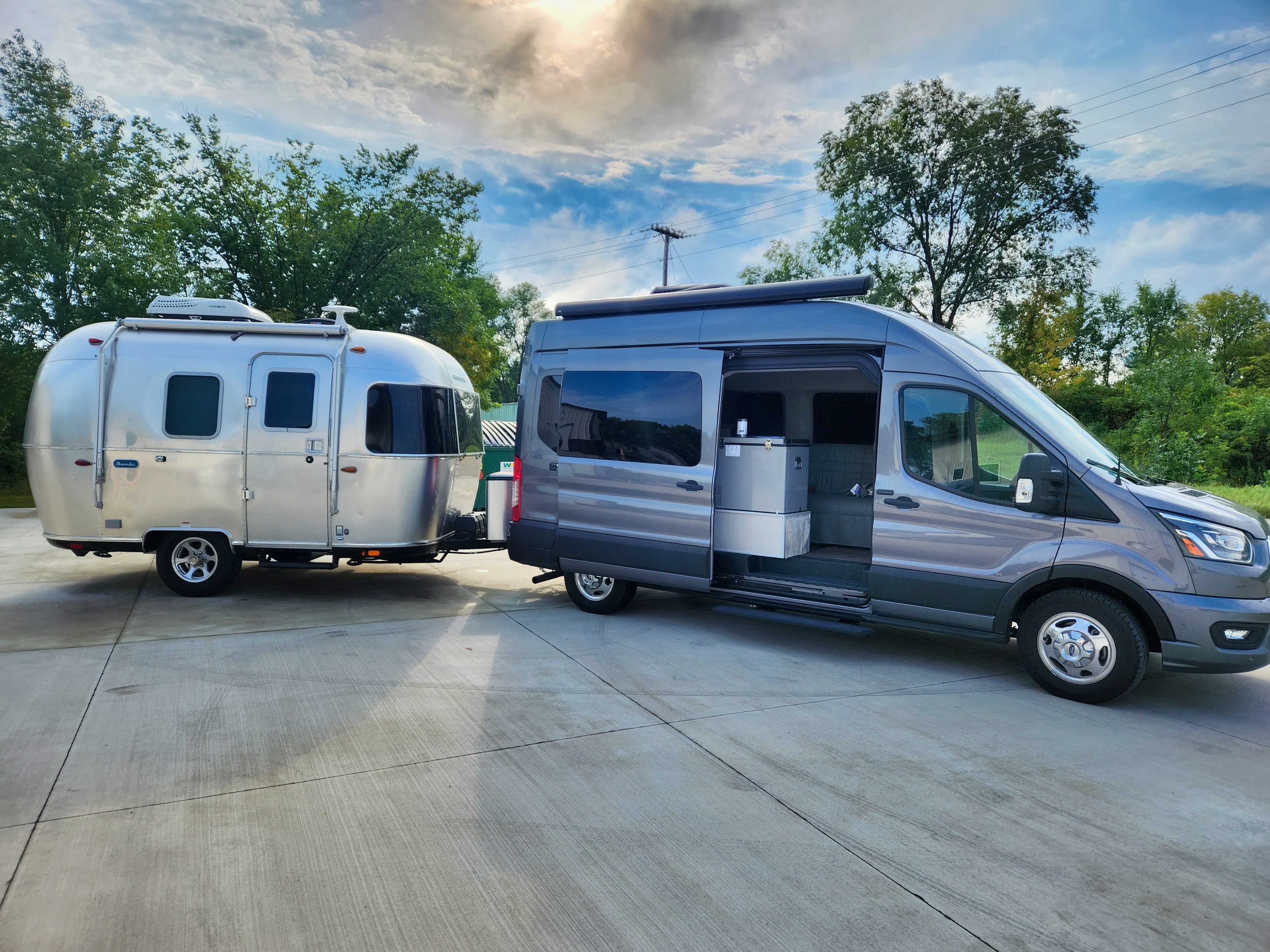
Vehicles such as the Mini-T Campervan utilize an integrated power storage and power management system that allows travelers to operate appliances such as a refrigerator or microwave while traveling or camping. The system can charge through solar panels, the vehicle’s alternator while driving, or shore power when available.
This flexibility allows travelers to stay in traditional campgrounds or spend time in more remote locations while still having access to electrical power.
Why Understanding RV Electrical Systems Matters
RV owners do not need to become electrical experts, but having a basic understanding of how these systems work can make traveling easier and more enjoyable.
Understanding the difference between an inverter, converter, and inverter charger helps explain how an RV provides electricity in different situations. Whether plugged into campground power, traveling down the highway, or camping without hookups, these systems quietly manage the flow of energy throughout the vehicle.
A well-designed electrical system allows travelers to focus less on power management and more on the experience of the journey itself.

DLM-Distribution / Campervans is a licensed manufacturer and dealer located in Lake Crystal, Minnesota, serving clients around the country.
Contact Dave: 651-285-7089 or Candy: 507-382-9446 today!