
NEWS
Travel has always meant different things to different people. For some, the ideal camping trip is a quiet morning beside a lake with no schedule, no conversation, and no distractions. For others, the best memories come from sharing the road with a spouse, friend, or travel partner — someone there to experience the scenery, conversations, and unexpected moments together.
Whether traveling solo or with company, the experience often says as much about personality and lifestyle as it does about the destination itself. Across scenic highways, state parks, national forests, and campgrounds throughout the United States, both approaches continue to grow in popularity as more travelers look for flexible and meaningful ways to explore.
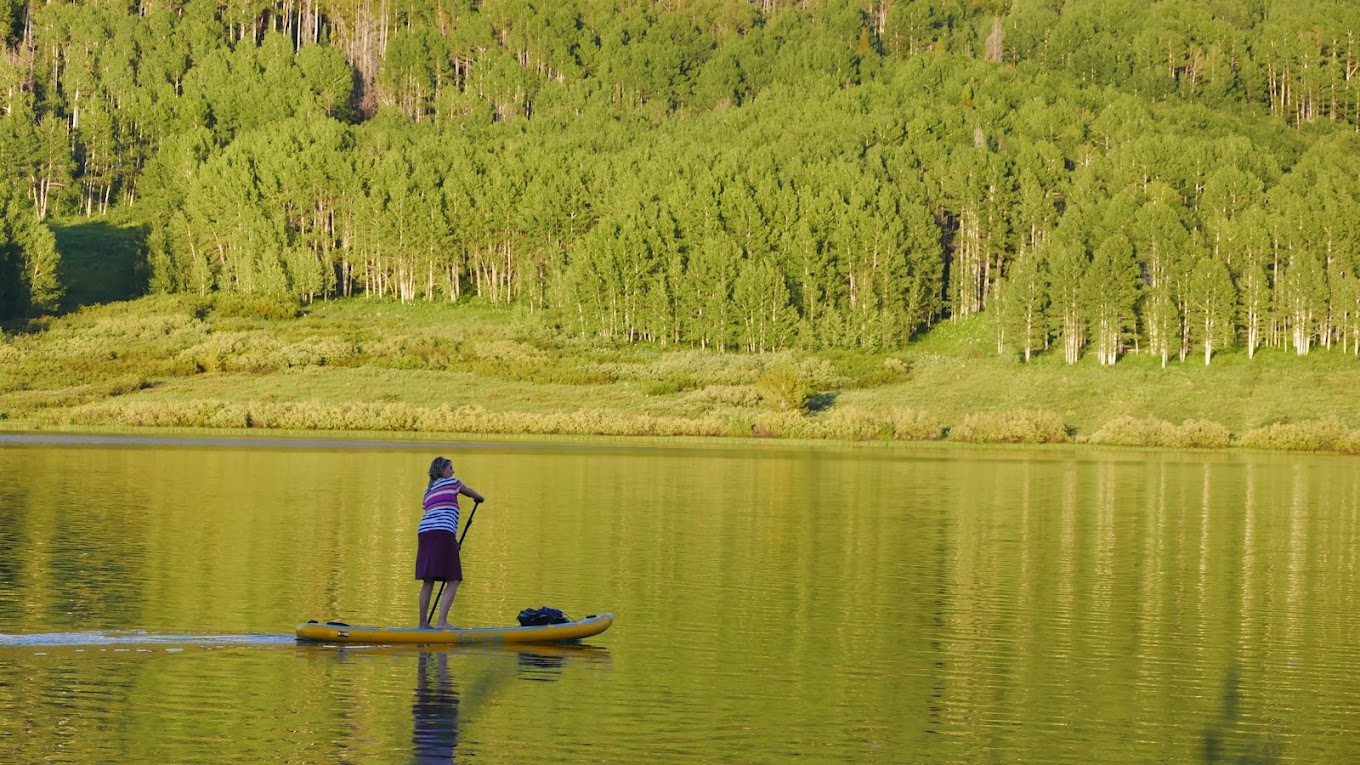
The Appeal of Traveling Alone
Solo travel offers something increasingly difficult to find in everyday life: uninterrupted freedom. There are no competing schedules, no compromises on destinations, and no pressure to structure the day around someone else’s expectations. The pace becomes entirely personal.
For many travelers, especially those spending time in state and national parks, traveling alone allows for deeper reflection and a stronger connection to the places being visited. Quiet mornings, scenic drives, photography stops, hiking trails, or simply sitting beside a campfire often feel different when experienced independently.
Solo travelers also tend to engage more naturally with people they meet along the way. Campgrounds, visitor centers, local diners, museums, and scenic stops often create opportunities for spontaneous conversations and shared travel stories.
There is also a practical side to solo travel. Decision-making becomes simple. Routes can change without discussion, weather delays are easier to manage, and travel days can remain flexible without affecting anyone else’s plans.
At the same time, solo travel requires a greater level of self-reliance. Navigation, campsite setup, planning, safety awareness, and problem-solving fall entirely on one person. Many travelers find that responsibility rewarding, while others discover they prefer having someone there to share the experience.
The Benefits of Traveling with a Partner
Traveling with a spouse, friend, or companion often transforms a trip into a shared collection of memories. Scenic overlooks, roadside discoveries, local restaurants, and even travel mishaps become stories retold long after the trip ends.
Many travelers appreciate the added comfort and security of having another person nearby, especially during longer road trips or when camping in unfamiliar locations. Shared responsibilities can also make travel easier. One person may handle navigation while the other manages campsite setup, meals, or trip planning.
Travel partners also tend to encourage experiences that might otherwise be skipped. One person may suggest a scenic trail, local attraction, or historic stop that the other would not have considered. In many cases, shared travel broadens the overall experience.
Of course, traveling with someone else also requires flexibility and patience. Different travel styles, schedules, and expectations can occasionally create tension. Some travelers prefer tightly planned itineraries, while others enjoy spontaneity. The success of shared travel often depends less on the destination and more on compatibility between travelers.
Camping and Road Travel Continue to Change
Over the past decade, camping and road travel have evolved well beyond traditional RV parks and large motorhomes. Many travelers now prefer smaller campervans and simpler travel setups that make it easier to explore scenic highways, small towns, public lands, and campgrounds without the size and complexity of larger RVs.
This shift has helped fuel renewed interest in scenic driving routes, regional travel, and extended camping trips focused more on flexibility than rigid schedules. Rather than rushing from destination to destination, many travelers are choosing slower-paced experiences that allow more time to enjoy small towns, public lands, scenic stops, and the journey itself.
Many travelers planning extended road trips are also discovering the fun of collecting stamps, experiences, and destinations through state and national park passport programs, which continue to grow in popularity among campers and road travelers exploring the country at a slower pace.
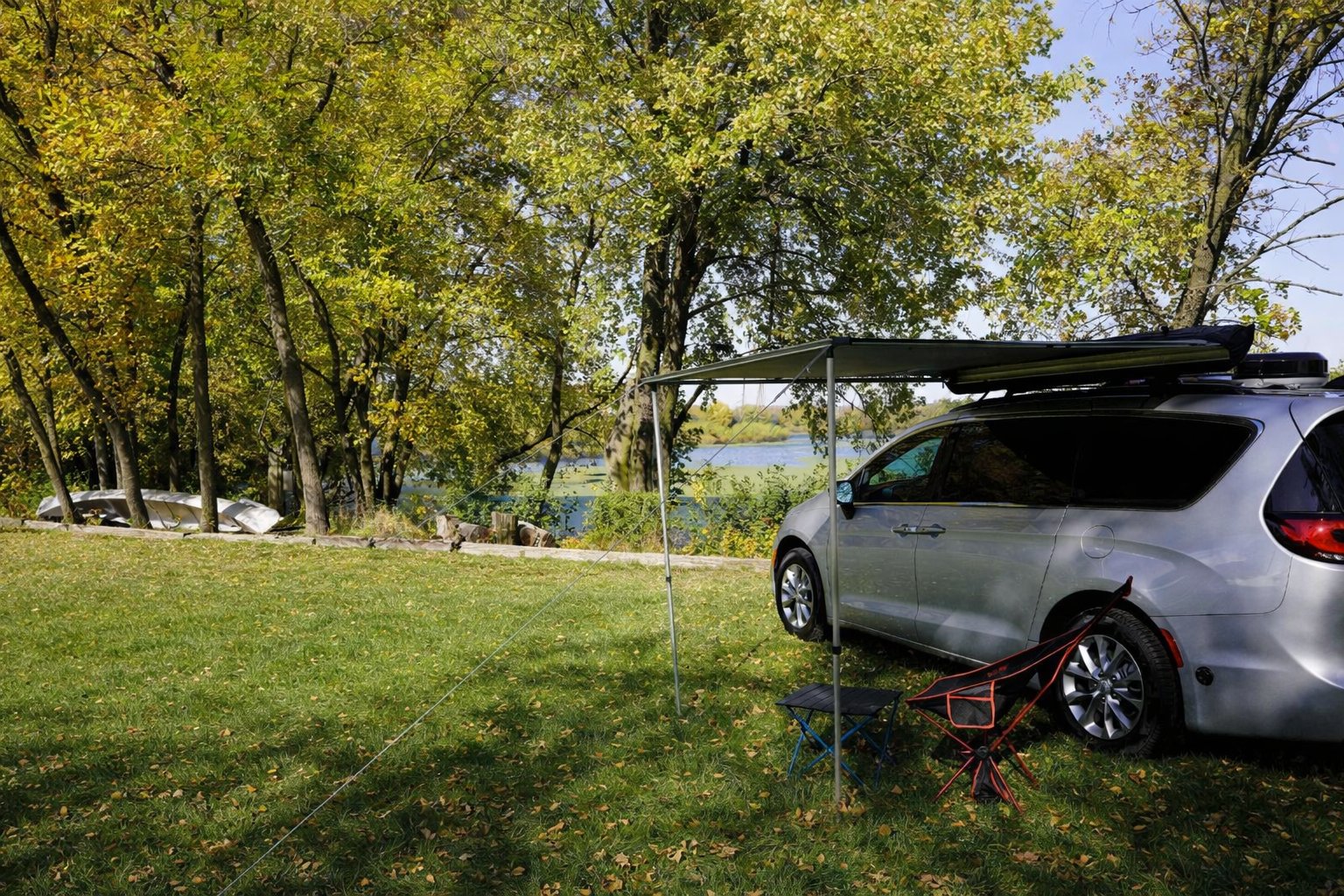
For many travelers, comfort, weather protection, and personal security have become important factors when comparing campervan travel versus tent camping, especially during longer trips or changing seasonal conditions.
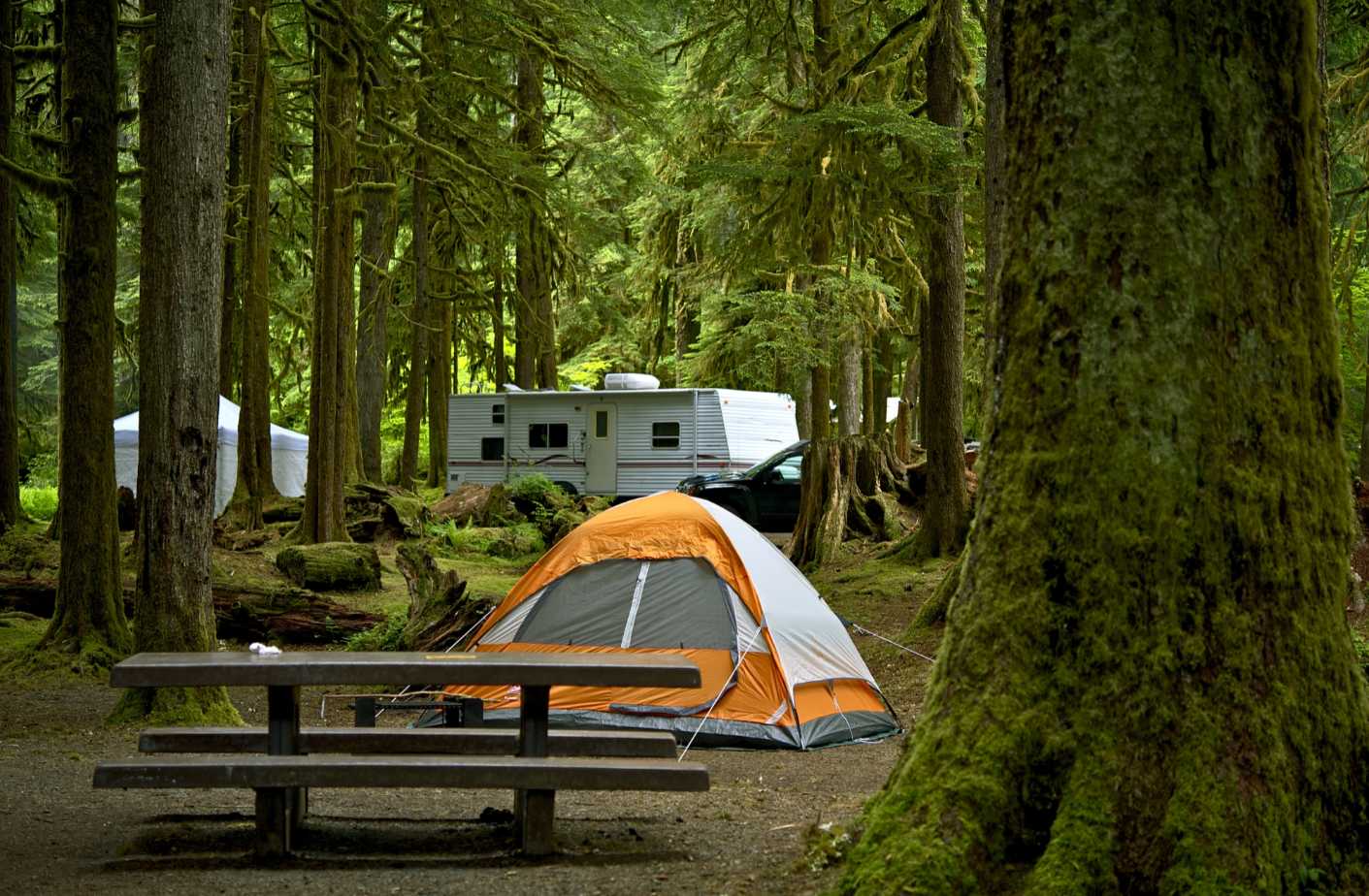
There Is No Right Way to Travel
Some people thrive in solitude and find peace in independent travel. Others find that the best trips are the ones shared with someone else. Many experienced travelers eventually discover they enjoy both, depending on the season, destination, or stage of life.
What matters most is not whether the road is traveled alone or together, but that the experience feels meaningful and enjoyable. The freedom to travel at your own pace — whether solo or alongside someone important to you — remains one of the most rewarding aspects of camping and road travel today.
Happy travels and happy camping.

DLM-Distribution / Campervans is a licensed manufacturer and dealer located in Lake Crystal, Minnesota, serving clients around the country.
Contact Dave: 651-285-7089 or Candy: 507-382-9446 today!