
NEWS
WiFi in a Campervan: Connectivity Options for the Mini-T Campervan, Including Starlink Satellite Internet
Reliable internet access is an essential part of travel, whether for work, navigation, entertainment, or staying in touch. The Mini-T Campervan, available on both the Ford Transit Connect and Chrysler Pacifica platforms, offers multiple connectivity options, including built-in WiFi, mobile hotspots, and Starlink satellite internet. No matter where your travels take you, the Mini-T Campervan provides the flexibility to stay online when you need it.
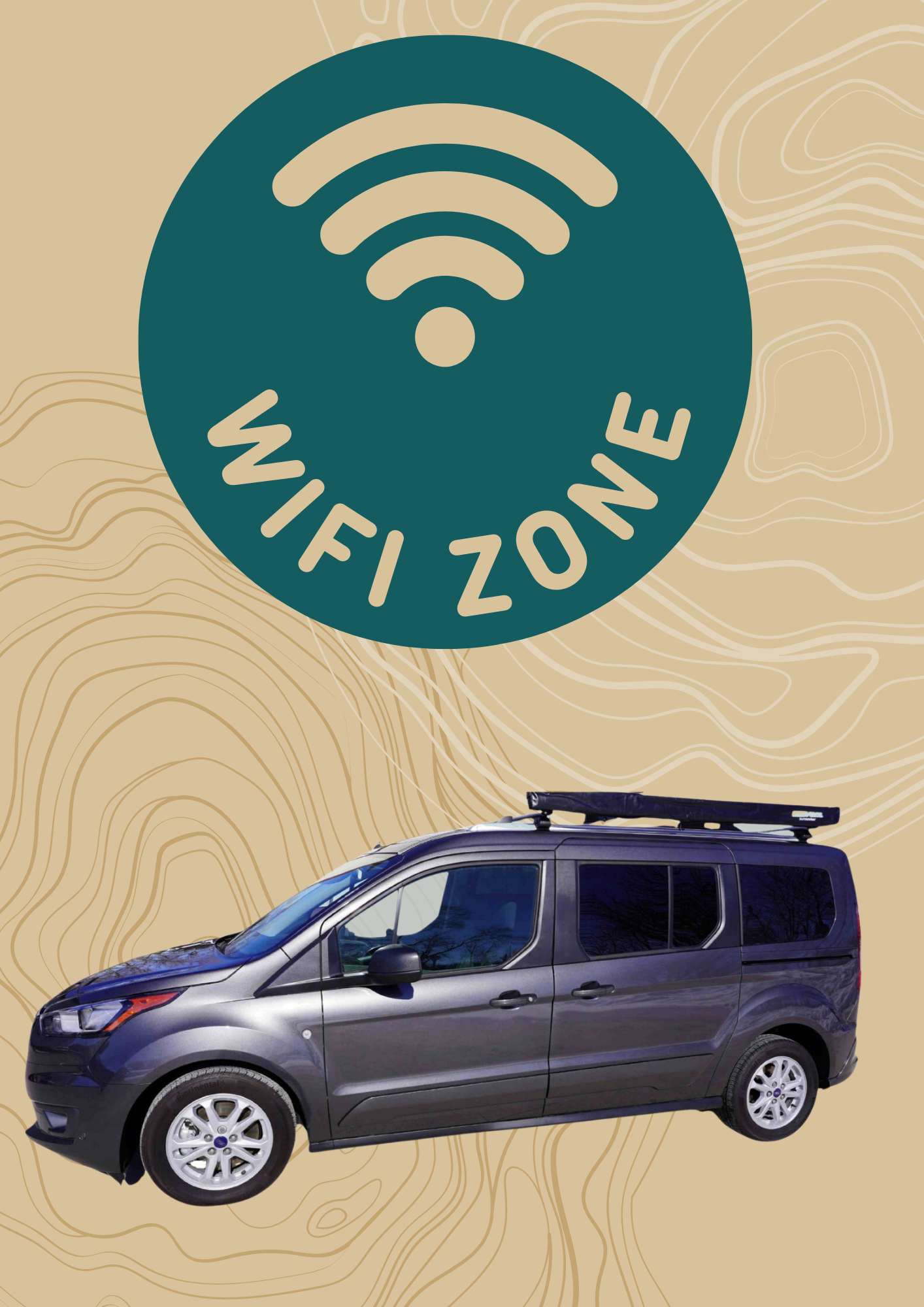
Built-in WiFi Options in the Mini-T Campervan
Both the Ford Transit Connect Mini-T Campervan and the Chrysler Pacifica Mini-T Campervan offer optional factory-installed WiFi systems, allowing you to stay connected while on the road. These systems work by subscribing to a data plan through the vehicle’s service provider or linking to your existing mobile carrier.
In addition to factory-installed WiFi, mobile hotspot tethering is another simple and effective way to access the internet. By enabling your smartphone’s hotspot feature, you can connect your tablet, laptop, or streaming device and enjoy reliable connectivity wherever there is cellular coverage.
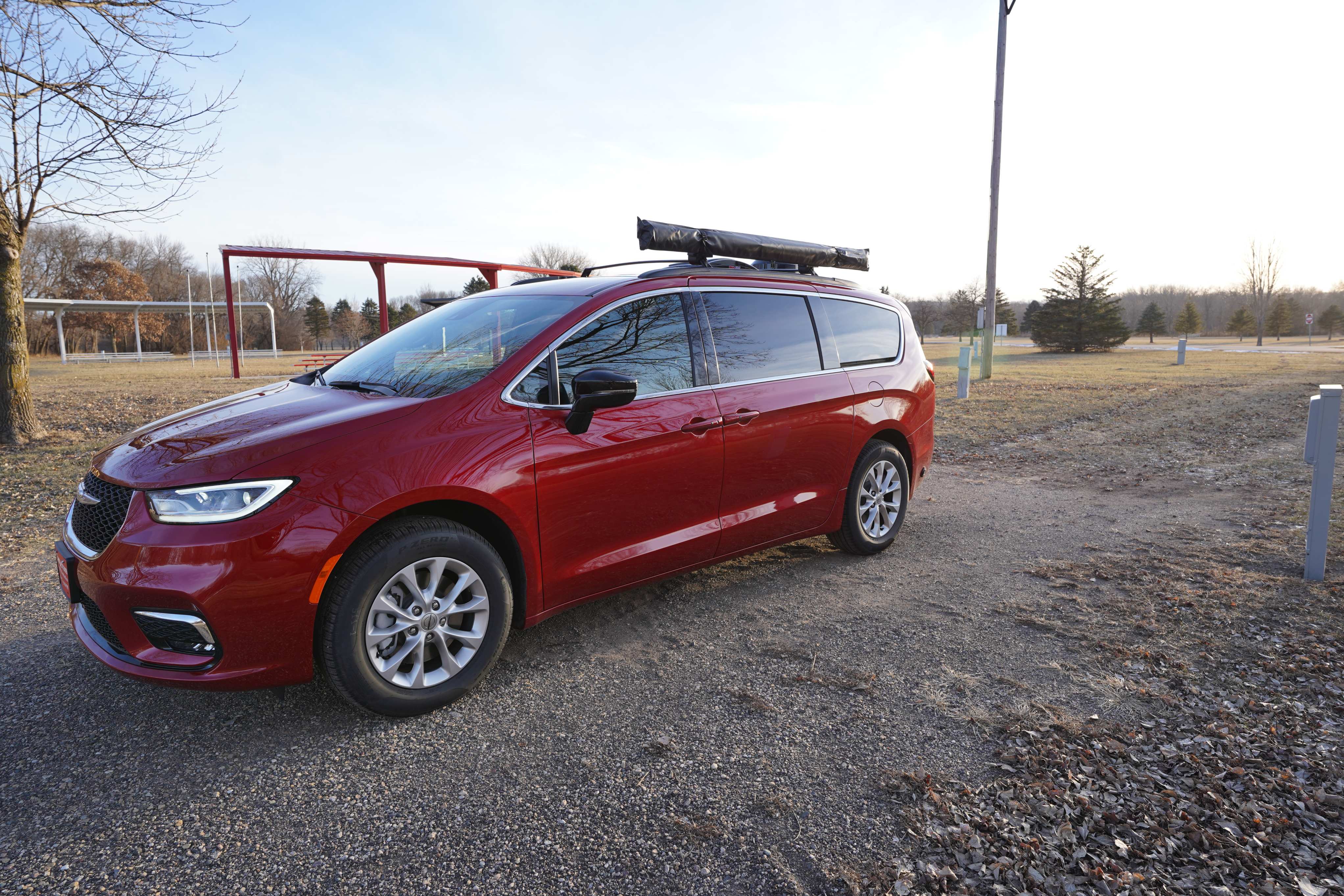
The Chrysler Pacifica Mini-T Campervan offers an enhanced onboard WiFi experience, with a stronger signal and support for multiple connected devices at once. This makes it an excellent option for those who need a more stable connection while driving or camping.
However, for travelers who frequent remote areas where cellular signals are weak or unavailable, Starlink satellite internet is the best option for uninterrupted high-speed connectivity.
Starlink: High-Speed Internet for Off-Grid Travel
While built-in WiFi and mobile hotspots are convenient, they depend on cellular networks and may not work in isolated locations. Starlink, developed by SpaceX, provides a high-speed, low-latency internet connection even in areas with no cell service, making it an ideal solution for off-grid adventurers.
How Starlink Works for RV and Campervan Travelers
Starlink operates using low-Earth orbit (LEO) satellites, delivering internet speeds that support streaming, video calls, remote work, and navigation. Unlike traditional satellite internet, Starlink offers faster speeds and lower latency, ensuring a more seamless online experience.
A key benefit of Starlink Roam (formerly Starlink RV) is its month-to-month service plan, which allows users to activate and deactivate service as needed. This flexibility makes it cost-effective for seasonal travelers, as you only pay for the months you use it.
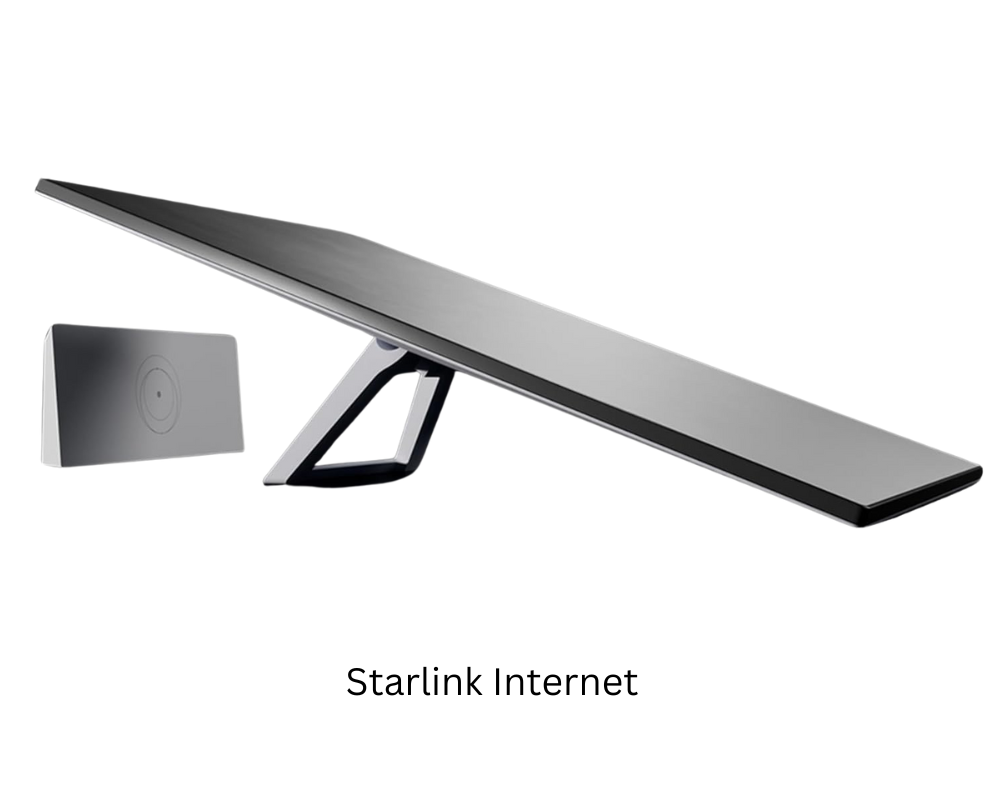
Starlink Options for the Mini-T Campervan
Internet and WiFi for Campervans and RV Travel
Reliable internet access has become an increasingly important part of RV and campervan travel. Whether working remotely, checking weather and road conditions, navigating unfamiliar areas, streaming entertainment, uploading travel photos, or simply staying connected with family and friends, dependable connectivity now plays a major role in how many people travel and camp.
Unfortunately, traditional campground WiFi and cellular hotspots often become unreliable in the very places many travelers enjoy most. Mountain regions, remote state parks, national forests, scenic backroads, and rural campgrounds frequently have limited or nonexistent cellular coverage.
Because of this, many RV owners and campervan travelers now combine multiple internet options depending on where they travel and how often they camp off-grid. Built-in vehicle WiFi, mobile hotspots, WiFi tethering, and satellite internet systems such as Starlink for RVs and Campervans each offer different advantages depending on travel style and connectivity needs.
Built-In WiFi and Mobile Hotspots
Many newer vehicles, including the Mini-T Campervan, offer available factory-installed WiFi systems that allow passengers to connect laptops, tablets, streaming devices, and smartphones while traveling.
In many situations, a smartphone hotspot or tethered mobile device can also provide reliable internet access anywhere cellular service is available. This remains one of the simplest and most widely used internet solutions for RV and campervan travel.
Cellular-based internet systems work especially well near cities, major highways, and populated travel corridors. However, campground congestion, terrain, weather conditions, and distance from cell towers can all affect internet speeds and signal quality.
For occasional travelers and those camping primarily in developed campgrounds, mobile hotspots and built-in vehicle WiFi often provide more than enough connectivity for navigation, streaming, email, and everyday internet use.
Satellite Internet and Off-Grid Connectivity
For RV owners and campers who regularly travel beyond normal cellular coverage areas, satellite internet has become increasingly popular.
Systems like Starlink, developed by SpaceX, communicate directly with low-Earth orbit satellites rather than relying on nearby cellular towers. This allows internet access in many remote locations where traditional hotspots and campground WiFi may not function at all.
Reliable internet access while traveling is no longer only about entertainment. Many people now work remotely from campgrounds, upload photography and video content from the road, manage online businesses, monitor weather conditions, attend virtual meetings, or maintain communication while traveling through isolated areas.
One important detail sometimes overlooked is that Starlink provides internet service rather than traditional cellular phone service. However, when internet access is available, many smartphones can still place and receive calls using WiFi calling or internet-based VOIP communication apps. In practical terms, this can allow communication in areas where nearby cellular towers may not exist.
Portable vs Roof-Mounted Starlink Systems
RV and campervan owners generally choose between portable and permanently mounted satellite internet systems depending on travel style and camping preferences.
A portable Starlink system allows the satellite dish to be positioned away from trees, buildings, or campsite obstructions while the vehicle remains parked in a shaded area. This flexibility can significantly improve signal reliability in wooded campgrounds and forested camping areas.
Roof-mounted Starlink systems offer convenience and immediate connectivity without setup each time the vehicle is parked. Many travelers who move frequently between destinations appreciate the simplicity of permanently mounted systems that remain ready whenever needed.
Both approaches work well depending on camping style, destination preferences, and how important internet access is during travel.
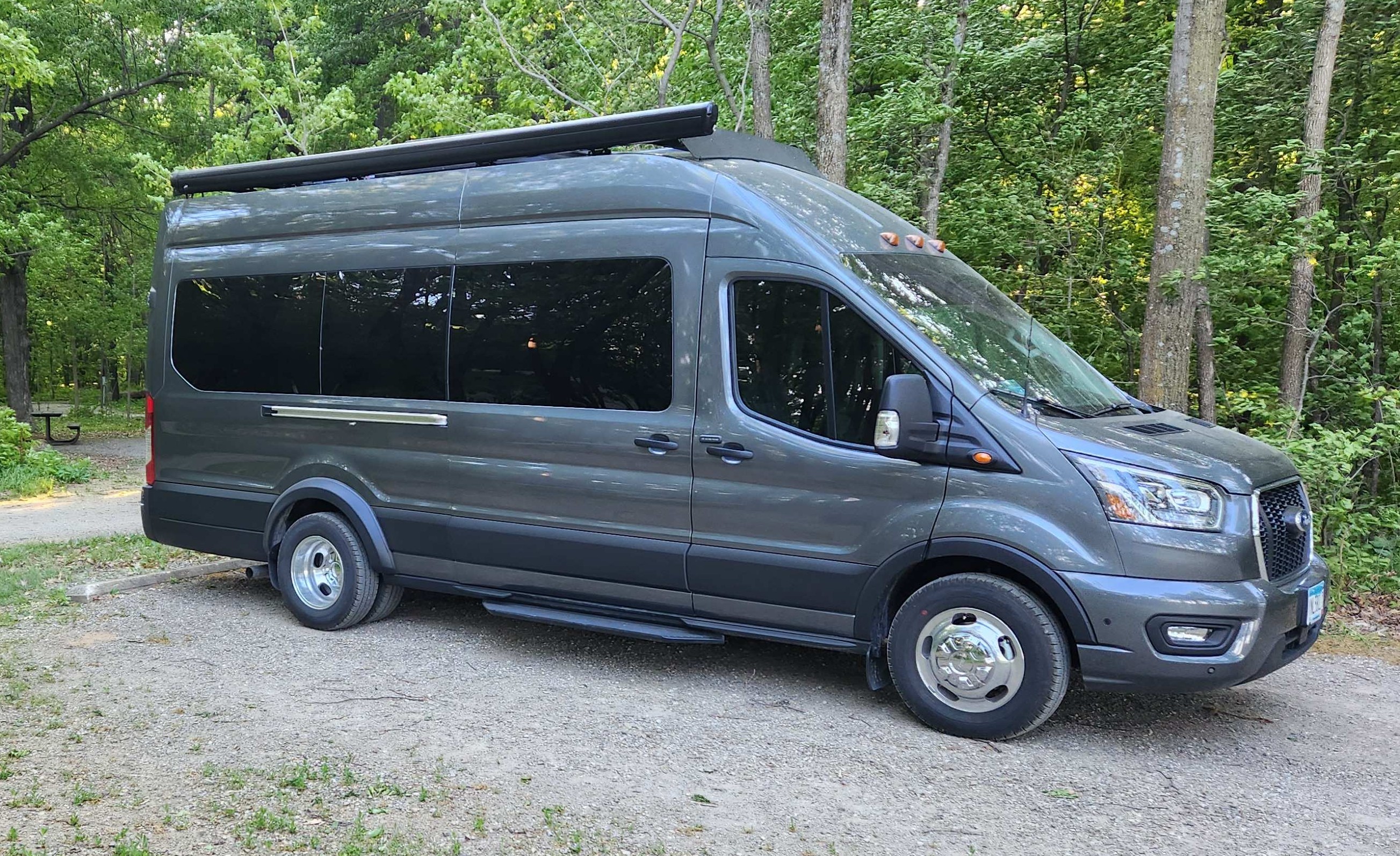
Power Consumption and Campervan Electrical Systems
Power consumption becomes an important consideration for anyone camping off-grid for extended periods.
The newer Starlink Mini system has become especially popular among campervan owners because of its compact size and lower power requirements. Smaller satellite internet systems are often easier to integrate into compact campervans operating from battery and solar-supported electrical systems.
Vehicles like the Mini-T Campervan, with integrated solar-supported power management systems, are particularly well suited for balancing internet connectivity with efficient off-grid electrical operation.
For many RV and campervan owners, managing power usage efficiently has become an important part of long-distance camping and extended travel.
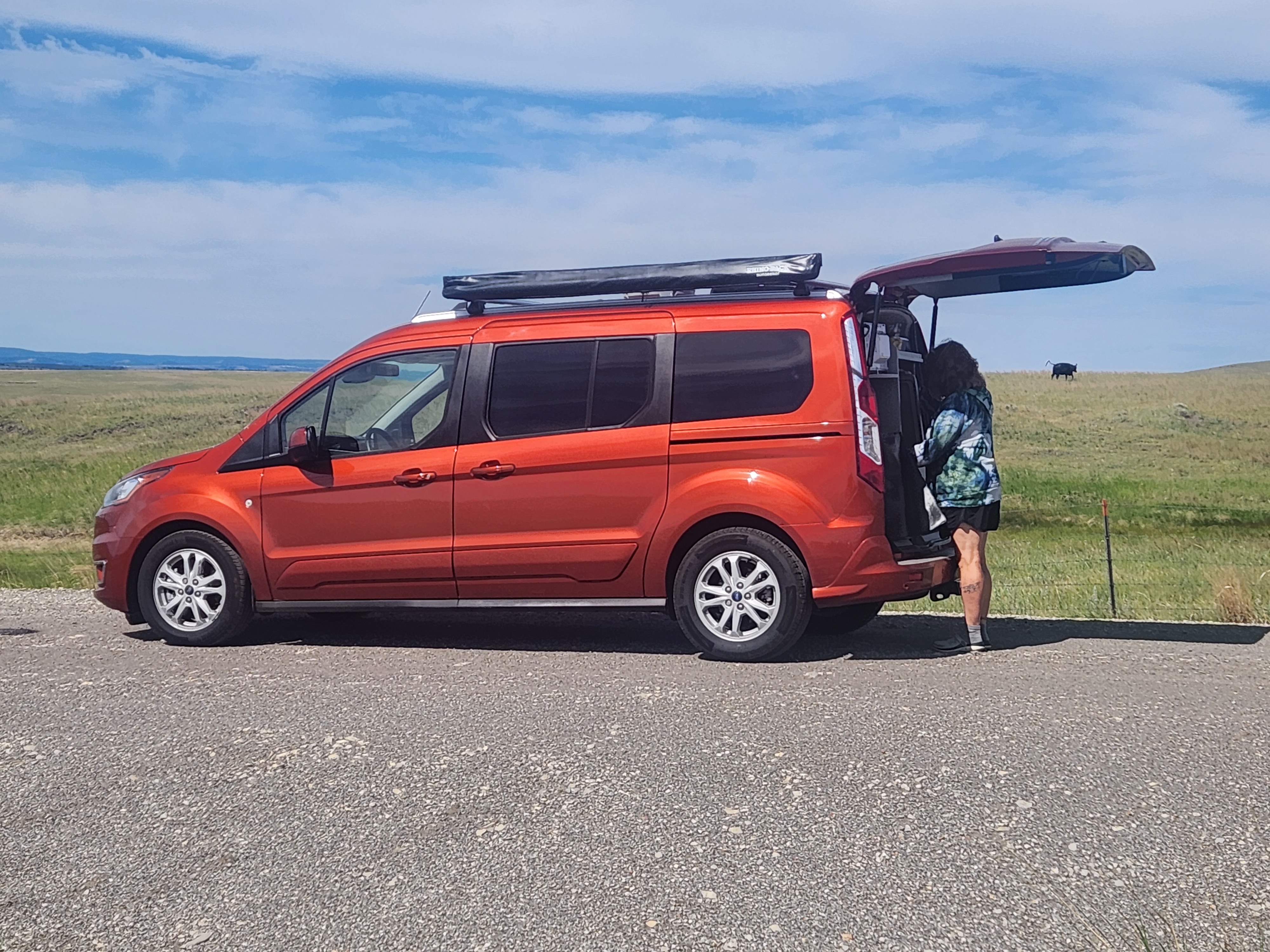
Streaming, Navigation, Remote Work, and Everyday Travel
Reliable internet access now supports far more than entertainment while camping. Navigation systems, weather applications, campground reservations, remote work, streaming services, banking, travel planning, and communication increasingly depend on internet connectivity.
Many RV travelers now work remotely from campgrounds, roadside stops, state parks, and scenic destinations while continuing normal business operations from the road.
Smaller Class B campervans have become increasingly popular for this style of travel because they balance mobility, fuel efficiency, off-grid capability, and everyday practicality while still providing the connectivity many travelers now depend on.
Whether using built-in vehicle WiFi, a smartphone hotspot, campground internet, or satellite systems like Starlink, reliable connectivity continues to reshape how many people experience RV and campervan travel.
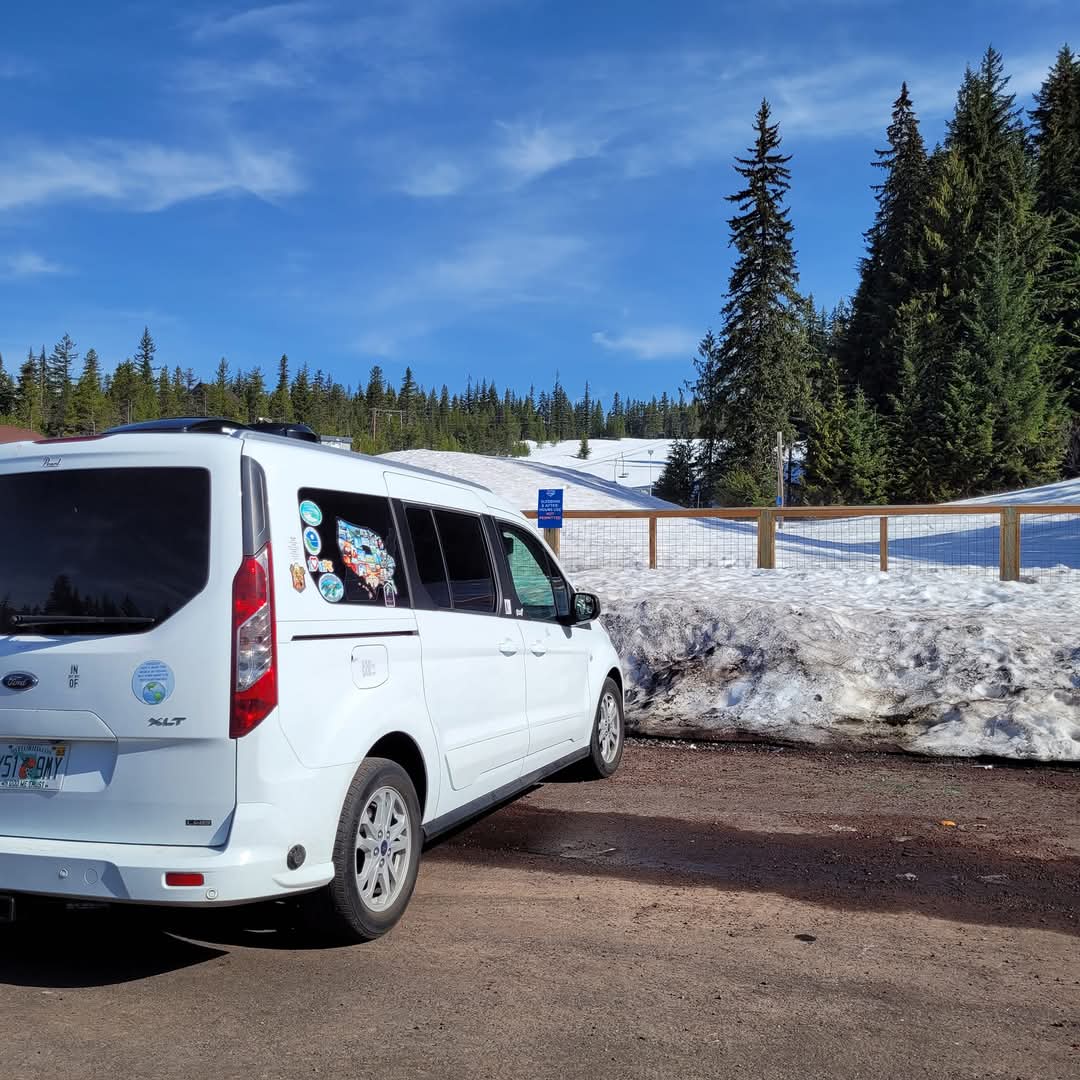
Connectivity Has Become Part of RV and Campervan Travel
Camping and RV travel continue to evolve. While many still head outdoors to unplug and slow down, internet access has increasingly become a practical tool for safety, navigation, communication, weather awareness, remote work, and trip planning.
Built-in WiFi systems, mobile hotspots, and satellite internet each serve different purposes depending on travel style and destination. For many travelers, combining these systems provides the best balance between convenience, flexibility, and reliable connectivity.
As more people spend extended time traveling, camping, and working remotely from the road, internet connectivity is becoming less about luxury and more about practical mobility.
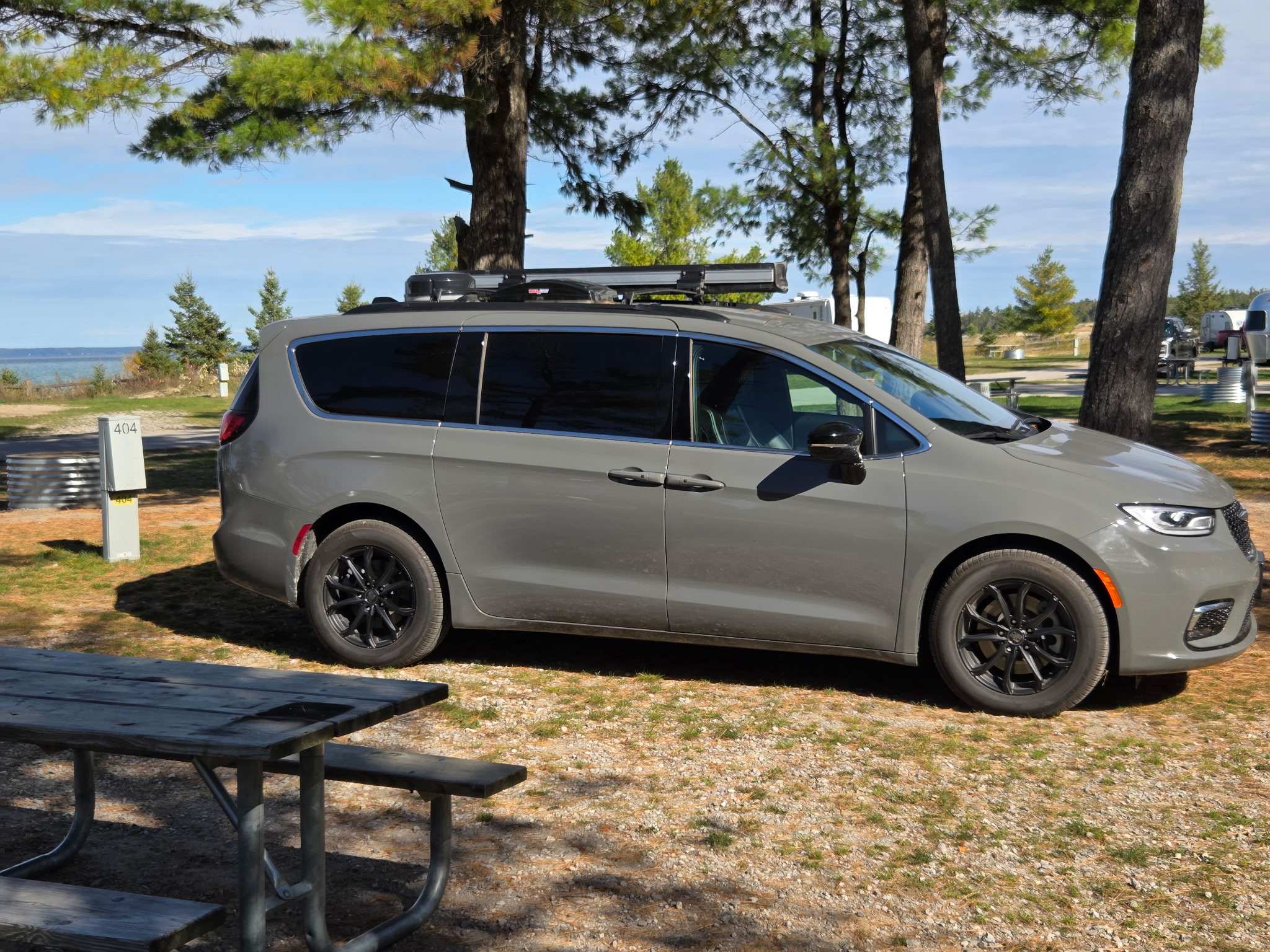
DLM-Distribution / Campervans is a licensed manufacturer and dealer located in Lake Crystal, Minnesota, serving clients around the country.
Contact Dave: 651-285-7089 or Candy: 507-382-9446 today!