
NEWS
If you live in a homeowners association (HOA) community, it’s natural to wonder whether owning an RV is allowed. In most cases, the answer is yes—but with important limitations. Many HOAs have specific guidelines that regulate the size, type, and visibility of recreational vehicles within the neighborhood. These rules often address whether an RV may be parked in a driveway, on the street, or must be stored inside a garage or off-site.
Before purchasing an RV, it’s wise to review your HOA’s governing documents or speak directly with the HOA board to understand how recreational vehicles are defined and what parking or storage requirements apply in your community.
When choosing an RV for use in an HOA-regulated community, size is one of the most important considerations. RVs vary widely in height, length, and overall footprint, and many HOAs place restrictions on larger or more visible vehicles. Smaller RVs, such as compact campervans, are often more compatible with HOA rules because they are easier to store inside a garage and draw less attention than larger motorhomes.
The type of RV also plays a role in HOA acceptance. Recreational vehicles are generally grouped into three categories: Class A, Class B, and Class C. Class A motorhomes are the largest and most imposing, often making them the most restricted in HOA communities. Class C motorhomes are slightly smaller but still sizable and frequently subject to similar limitations. Class B campervans are the most compact of the three and are often viewed more favorably by HOAs due to their smaller size, lower profile, and closer resemblance to standard passenger vehicles.
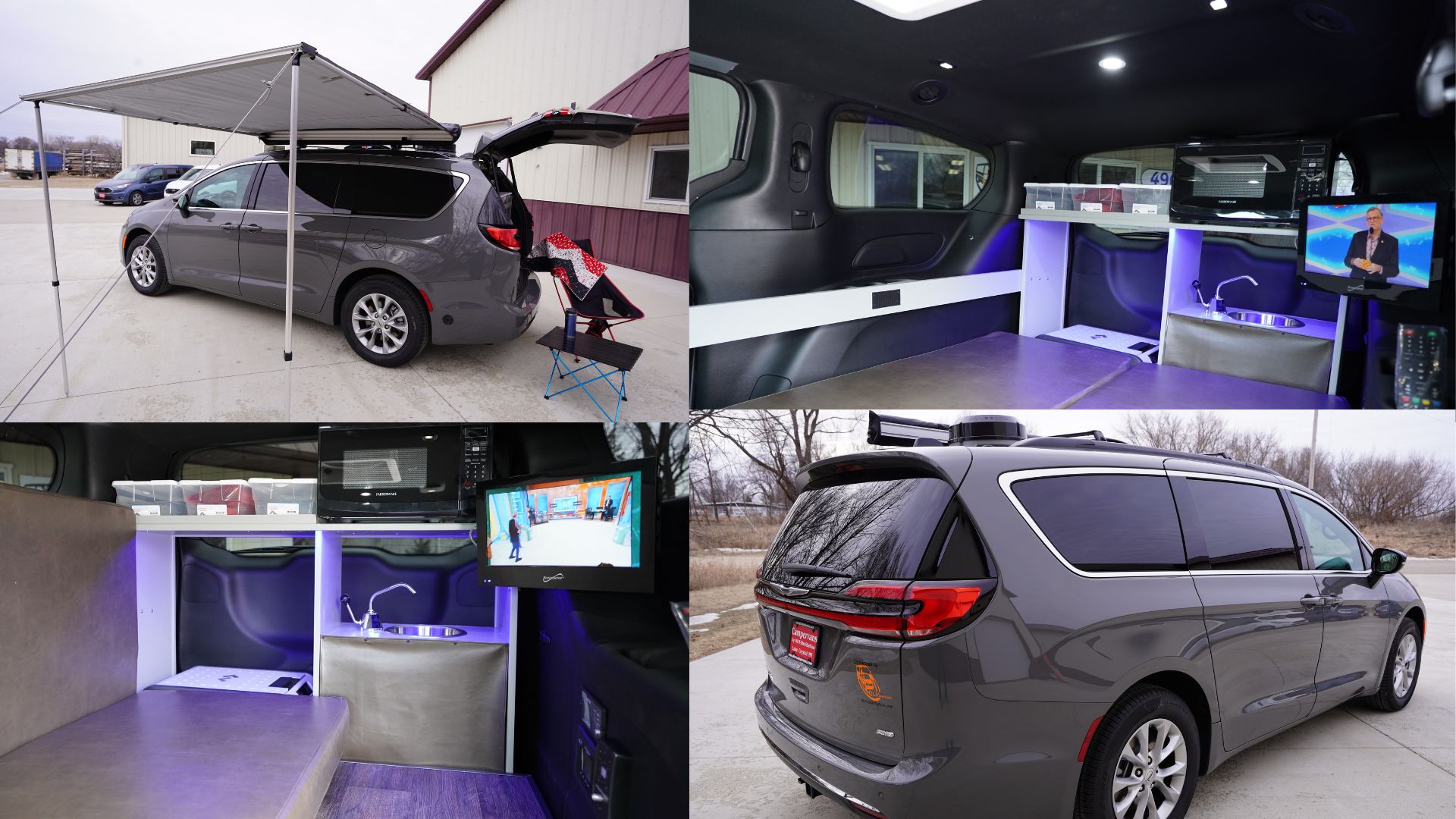
Parking rules are another key factor to consider. Many HOAs require RVs and other non-standard vehicles to be parked inside a garage rather than in a driveway or on the street. Some communities strictly prohibit driveway parking altogether, while others may allow it under certain conditions.
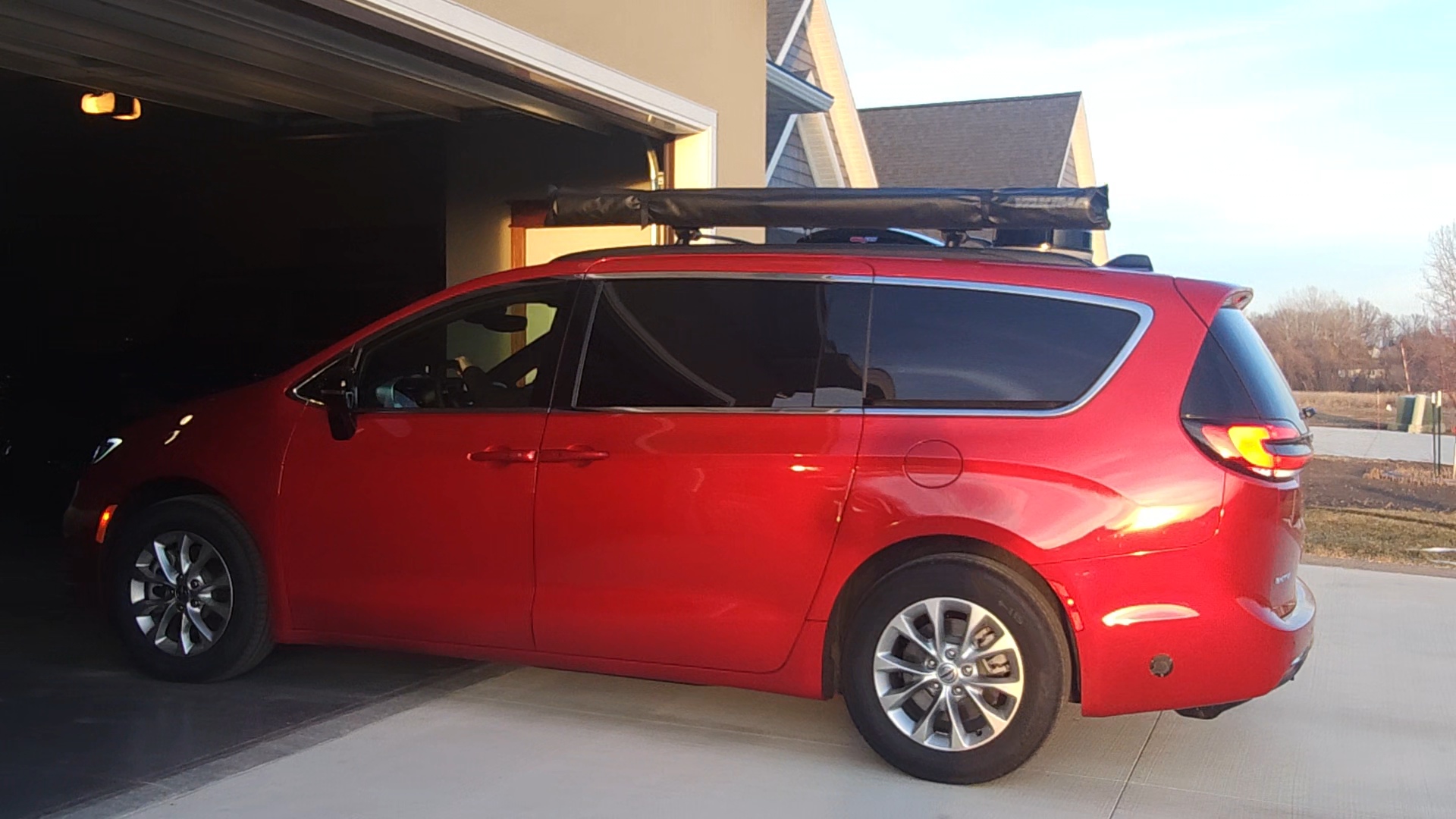
Appearance can also influence whether an RV is acceptable within an HOA community. Some associations include guidelines related to exterior colors, graphics, or decals. RVs that appear large or commercial may draw additional scrutiny even if they meet size requirements.
For homeowners seeking an RV that aligns well with HOA standards, a compact Class B campervan such as the Mini-T Campervan is often a practical solution. Its smaller size and understated appearance make it easier to store at home and comply with garage-only parking rules.
Ease of maintenance is another advantage of the Mini-T Campervan lineup. Ford Transit Connect–based Mini-T models can be serviced at Ford dealerships nationwide, while Chrysler-based Mini-T models can be serviced through Chrysler dealerships, making ownership straightforward wherever you travel.
If you’re looking for an RV that is compact, cost-conscious, and versatile, the Mini-T Campervan can be a practical option for HOA-regulated communities.
Happy Camping!
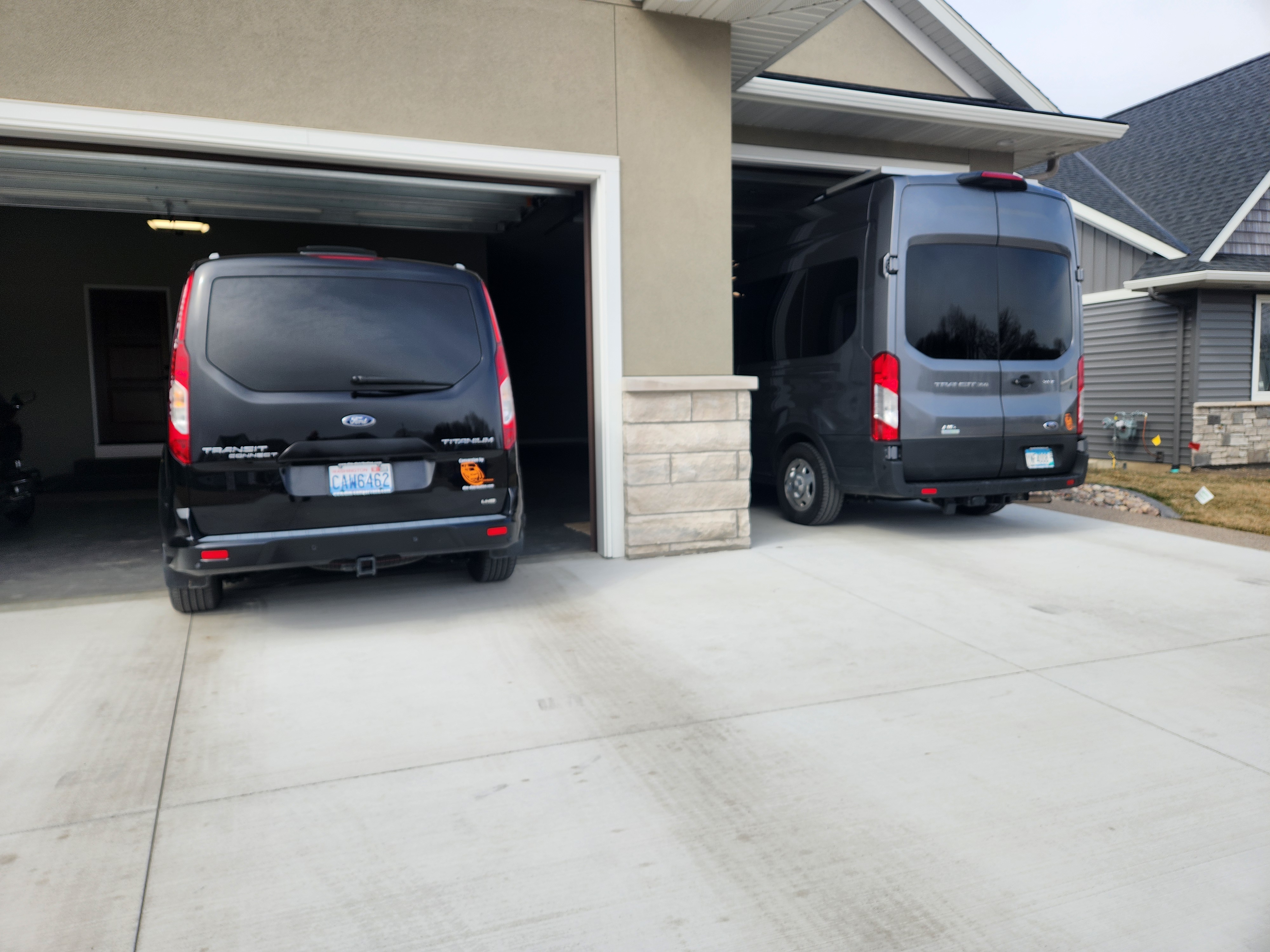
DLM-Distribution / Campervans is a licensed manufacturer and dealer located in Lake Crystal, Minnesota, serving clients around the country.
Contact Dave: 651-285-7089 or Candy: 507-382-9446 today!