
NEWS
Overnight Parking Etiquette for RV and Campervan Travel
For RV and campervan travelers covering long distances, there are times when a quick overnight stop makes more sense than searching for a campground late at night. Commercial parking lots, truck stops, travel centers, casinos, and certain businesses have long served as practical overnight stopping points for travelers needing rest before continuing down the road.
For many people, these overnight stays are not about camping at all. They are simply a safe and convenient way to rest during long travel days, avoid driving while fatigued, or pause overnight between destinations.
At the same time, overnight parking at businesses such as Walmart, Cabela’s, Cracker Barrel, Bass Pro Shops, truck stops, and similar locations has become increasingly sensitive in many communities. Local ordinances, parking restrictions, liability concerns, abuse of overnight privileges, and growing RV traffic have caused some businesses and cities to tighten or eliminate overnight parking altogether.
Because of this, good overnight parking etiquette matters more than ever.
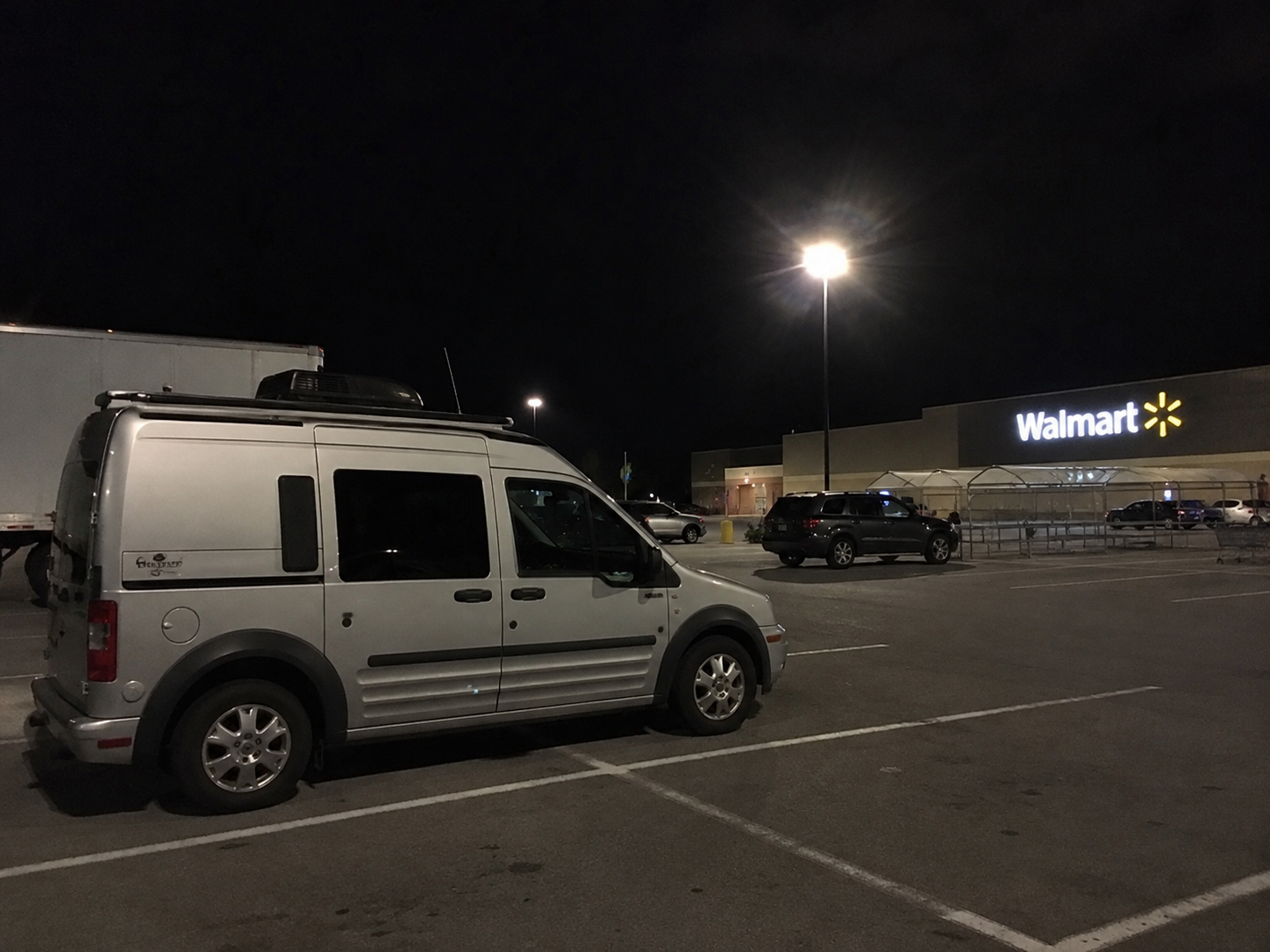
Overnight Parking Is Not the Same as Camping
One of the most important things travelers can understand is that overnight parking and camping are not the same thing.
Businesses allowing overnight RV parking are typically offering a temporary resting place for travelers, not a campground experience. In most situations, travelers are expected to arrive late, remain self-contained, stay only one night, and leave early the next morning.
Setting up awnings, outdoor chairs, grills, generators, or large campsite-style setups changes the atmosphere entirely and is one of the fastest ways businesses lose patience with overnight RV parking.
For many experienced RV travelers, the general rule is simple: park, sleep, and move on.
Always Check Local Rules and Property Policies
Not every Walmart, truck stop, or commercial parking lot allows overnight parking.
Even when a business chain is generally known for being RV-friendly, policies often vary by location. In many cases, local city ordinances or neighborhood regulations may prohibit overnight stays regardless of the business owner's preference.
Whenever possible, travelers should ask store management or security personnel before staying overnight. A quick conversation shows respect for the business and helps avoid misunderstandings later in the evening.
It is also important to remember that parking lots remain private property. Permission can be denied at any time, and respectful travelers understand that overnight parking is a courtesy rather than an entitlement.
Vehicle Size Often Matters
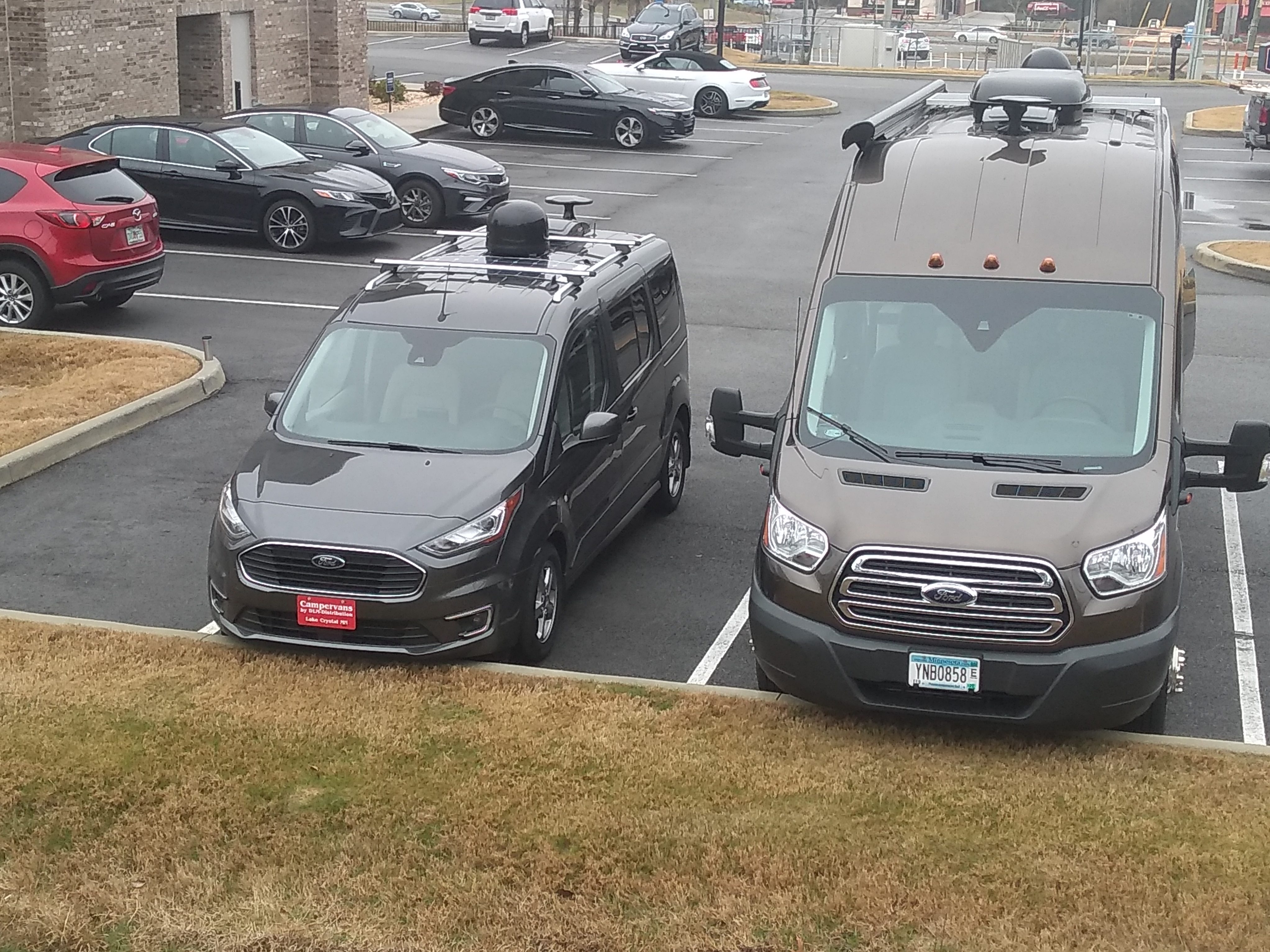
Smaller RVs and compact campervans often integrate more naturally into overnight parking situations than large motorhomes or oversized trailers.
Large RVs occupying multiple parking spaces, extending into traffic lanes, or creating visibility issues are more likely to attract complaints or management attention.
Compact Class B campervans and lower-profile RVs are often easier to position discreetly while minimizing impact on businesses and other customers.
This practicality is one reason smaller campervans continue gaining popularity for long-distance travel. Vehicles such as the Mini-T Campervan are easier to maneuver in crowded lots, easier to park, and less disruptive in urban or commercial environments compared to much larger RVs.
Choose Parking Areas Carefully
When overnight parking is allowed, choosing an appropriate location within the lot matters.
Most experienced travelers avoid parking near store entrances, high-traffic areas, loading zones, cart returns, or spaces heavily used by customers. Parking farther toward the edge of the lot often creates less disruption while still maintaining visibility and safety.
Truck stops require additional awareness because commercial truck drivers rely on designated spaces to comply with federally regulated rest periods. RVs and campervans should never occupy clearly designated commercial trucking spaces unless specifically permitted.
Support Businesses That Allow Overnight Parking
One of the simplest ways travelers can help preserve overnight parking opportunities is by supporting the businesses that allow them.
Purchasing groceries, fuel, meals, supplies, or travel necessities helps reinforce goodwill between businesses and travelers. Many businesses allowing overnight parking do so because they recognize RV travelers as customers rather than simply parked vehicles.
Respectful behavior and customer support both play an important role in keeping these overnight options available.
Leave No Trace Applies to Parking Lots Too
Cleanliness and personal responsibility matter just as much in commercial parking lots as they do in campgrounds.
Trash, wastewater dumping, loud generator use, excessive noise, and careless behavior are among the biggest reasons overnight parking privileges disappear. Travelers should always leave parking areas cleaner than they found them.
Modern campervans with integrated electrical systems, battery power, refrigeration, and onboard charging capabilities are often well suited for quiet overnight stays without requiring generators or external hookups.
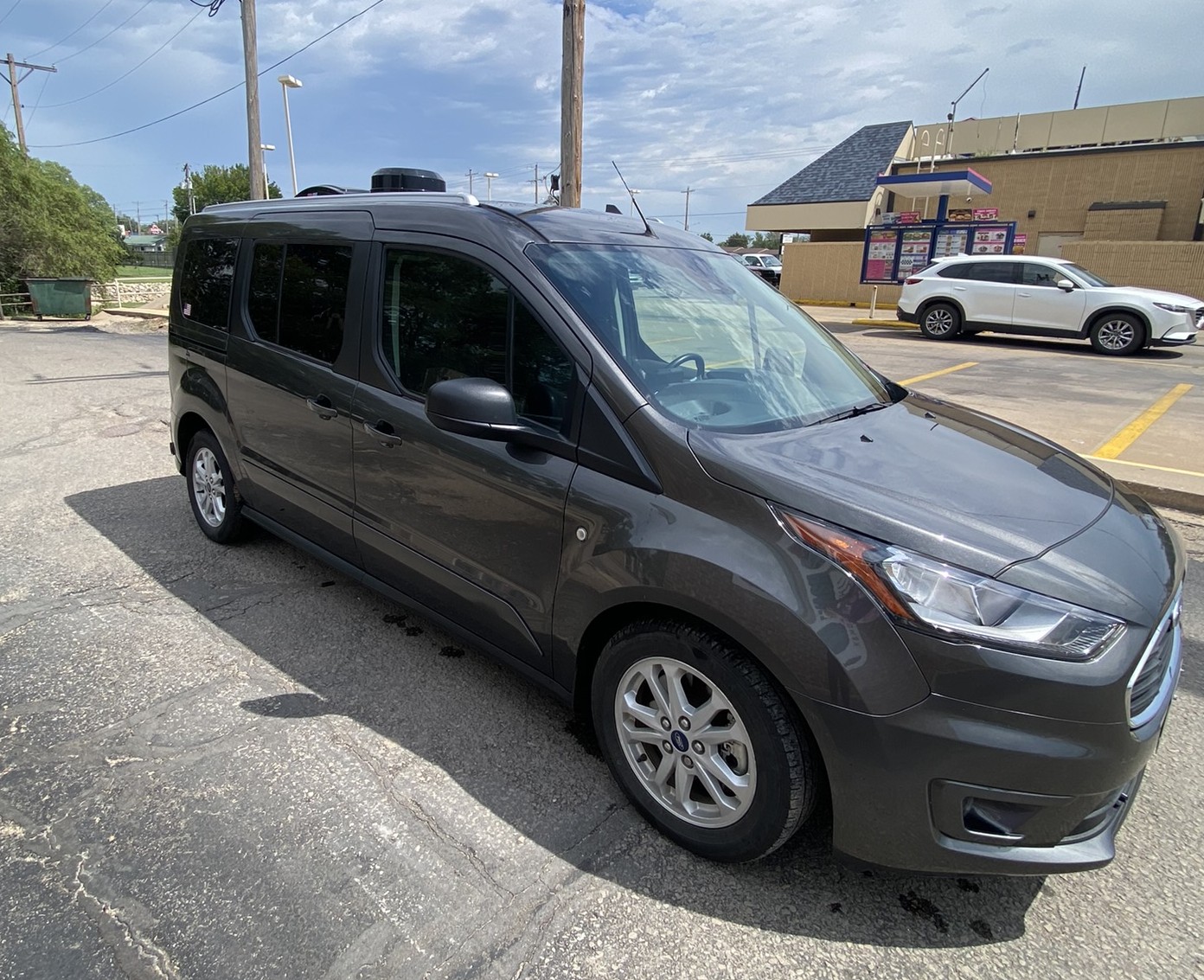
For many RV owners, the growing popularity of compact campervans under seven feet tall reflects a broader interest in practical, self-contained travel that fits more comfortably into both campgrounds and everyday environments.
Safety and Situational Awareness
Not every parking lot is an ideal overnight location.
Travelers should always trust their instincts when evaluating an area. Well-lit locations with visible activity, security presence, and other overnight travelers generally feel safer than isolated or poorly maintained lots.
Locking doors, remaining aware of surroundings, and avoiding unnecessary attention all contribute to safer overnight stays.
Apps and resources such as iOverlander, Campendium, and AllStays have also become popular tools for travelers researching overnight parking locations, campground alternatives, and traveler reviews before arriving.
A Practical Part of Long-Distance Travel
Overnight parking has long been part of RV and campervan travel across North America. For many travelers, these quick overnight stops provide flexibility, convenience, and a safer alternative to driving while fatigued.
At the same time, preserving these opportunities depends heavily on how travelers behave.
Respect for businesses, neighborhoods, parking rules, and fellow travelers helps ensure overnight parking remains available for people who genuinely need a safe place to rest while traveling.
In many ways, good overnight parking etiquette is simply good travel etiquette.

DLM-Distribution / Campervans is a licensed manufacturer and dealer located in Lake Crystal, Minnesota, serving clients around the country.
Contact Dave: 651-285-7089 or Candy: 507-382-9446 today!