
NEWS
Owning a recreational vehicle represents freedom for many travelers across the United States. RVs allow people to explore national parks, visit small towns, travel to family gatherings, and enjoy the flexibility of bringing their accommodations along wherever the road leads.
From large diesel motorhomes to towable travel trailers and compact campervans, the RV industry offers options for nearly every style of travel. Yet one reality often surprises first-time buyers: owning an RV involves more than the purchase price. Over time, a number of practical and financial considerations can influence how often a vehicle is used—and whether it remains enjoyable to own.
Understanding these factors can help travelers choose the type of RV that best fits how they actually plan to travel.
The Appeal of RV Travel
The popularity of RV travel continues to grow in the United States. For many people, the appeal is simple. An RV offers independence, flexibility, and the ability to travel at your own pace.
Instead of relying on airline schedules or hotel reservations, RV travelers can explore scenic byways, visit state parks, and stop wherever the journey leads. RV ownership also encourages outdoor recreation, time with family and friends, and the opportunity to experience places that might otherwise be overlooked.
These benefits are real, and for many travelers they are exactly what makes RV ownership worthwhile.
The Financial Reality of Larger RVs
At the same time, larger RVs bring practical challenges that often become clear after ownership begins. Motorhomes and large travel trailers provide generous living space, but that space comes with additional cost and complexity.
Initial purchase prices for large motorhomes can range from tens of thousands of dollars to well over a million dollars depending on the brand and features. Insurance costs are typically higher than standard vehicles due to the size and value of the RV, and fuel consumption can be significant. Many large motorhomes average between six and thirteen miles per gallon.
For travelers who take extended trips several times per year, those costs may feel justified. However, for many owners who travel occasionally, the size of the vehicle can make it less practical for regular use.
Storage and Parking Challenges
One of the most common hidden costs of RV ownership involves storage. Many motorhomes and large travel trailers cannot be stored at home due to driveway limitations, homeowner association rules, or local parking regulations.
As a result, owners often rent off-site storage, which adds a recurring monthly expense. Storage also makes spontaneous travel less convenient, since retrieving the RV may require a trip across town before every outing.
Even in areas where RV parking is allowed, large vehicles may still be difficult to maneuver through residential streets or store safely during winter months.
Maintenance and System Complexity
Another factor that influences the long-term cost of RV ownership is maintenance. Unlike standard vehicles, RVs combine transportation systems with residential systems such as plumbing, electrical components, appliances, and climate control.
Over time, these systems require maintenance and occasional repair. Specialized RV service centers are often needed for certain repairs, which can increase both costs and downtime when problems arise.
While routine maintenance is part of any vehicle ownership experience, larger RVs tend to involve more systems and therefore more potential maintenance considerations.
How Often Most RVs Are Actually Used
These practical realities contribute to another common pattern within the RV industry. Many RVs spend most of the year parked rather than traveling.
Studies of RV usage have suggested that the average RV is used only a few weeks per year. When storage, insurance, and maintenance costs continue year-round, some owners begin to reconsider whether a smaller and more versatile RV might better match their travel habits.
For travelers who enjoy frequent short trips, weekend travel, or spontaneous road adventures, a smaller vehicle often encourages more use simply because it is easier to drive, store, and maintain.
The Growing Appeal of Class B Campervans
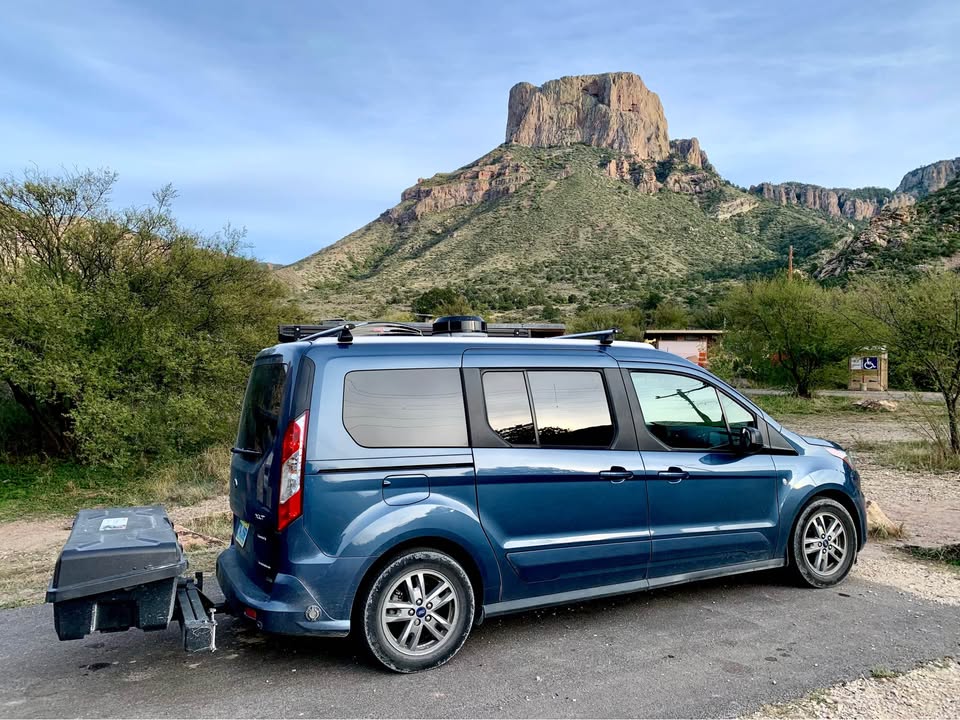
For this reason, compact RVs—particularly Class B campervans—have become increasingly popular in recent years. These vehicles combine the driving characteristics of a standard vehicle with the camping functionality of a motorhome.
A well-designed campervan provides essential travel features such as sleeping space, refrigeration, cooking capability, and onboard electrical systems while remaining compact enough for everyday driving.
Because they are smaller and easier to operate, campervans often become vehicles that owners use far more frequently than traditional RVs.
Why Practicality Matters in RV Ownership
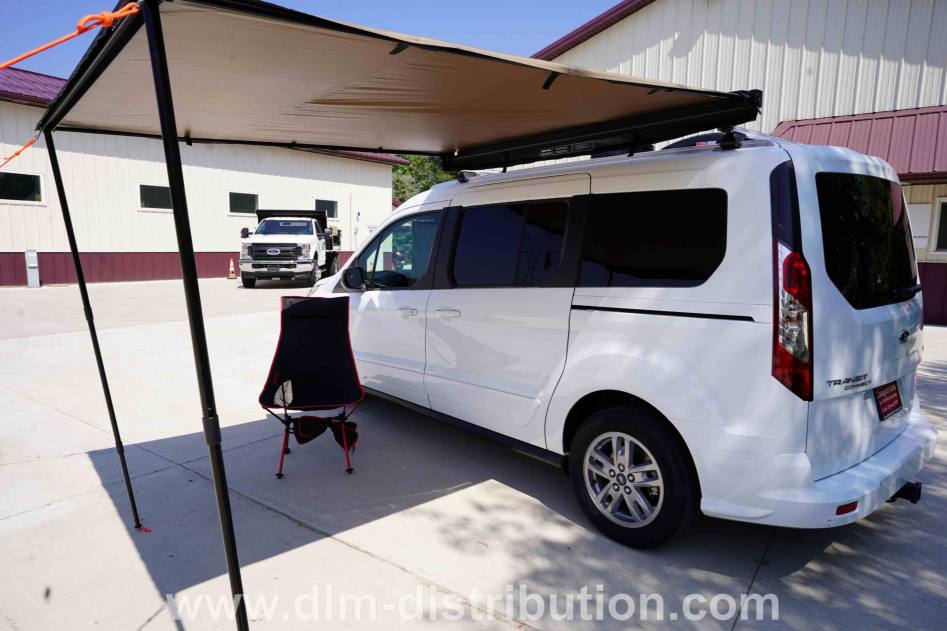
One example of this approach is the Mini-T Campervan produced by DLM-Distribution in Lake Crystal, Minnesota. Rather than focusing on size or luxury, the Mini-T Campervan lineup emphasizes practicality and usability.
The vehicle is designed to function as both a daily driver and a travel vehicle. Its compact size allows it to fit into a standard residential garage, eliminating the need for off-site storage and making it easier for owners to keep the vehicle close at hand.
Fuel efficiency typically ranges between 24 and 28 miles per gallon depending on driving conditions, making it far more economical to drive regularly than many larger motorhomes.
Inside, the Mini-T Campervan includes practical camping features such as a pull-out bed, refrigerator, microwave oven, and a fully integrated off-grid electrical system that can be charged through solar power, the alternator while driving, or shore power when available.
The goal is not to replace a house or create a full-time living environment, but rather to provide the essentials needed for comfortable travel.
A Different Way to Think About RV Ownership
For many travelers, the best RV is not the largest or most luxurious model available. Instead, the most satisfying RV ownership experience often comes from choosing a vehicle that is easy to use frequently.
When an RV is simple to drive, easy to store, and practical for everyday life, owners are more likely to take advantage of spontaneous trips, weekend travel, and local exploration.
That shift—from occasional use to regular use—can change the entire RV ownership experience.
Practical Travel That Gets Used
Across Minnesota and throughout the United States, RV travel continues to evolve as buyers look for vehicles that match their lifestyles more closely. For many people, smaller and more efficient RVs provide the flexibility they need without the hidden costs and complications that sometimes accompany larger rigs.
Whether someone is considering their first RV or reevaluating how they want to travel, understanding the practical side of RV ownership can help guide the decision.
Sometimes the RV that gets used the most turns out to be the one that fits comfortably into everyday life.

DLM-Distribution / Campervans is a licensed manufacturer and dealer located in Lake Crystal, Minnesota, serving clients around the country.
Contact Dave: 651-285-7089 or Candy: 507-382-9446 today!