
NEWS
For many homeowners, the appeal of RV ownership is freedom—freedom to travel, explore, and leave on short notice. However, when you live in a community governed by a homeowners association (HOA), that freedom is often shaped by rules designed to maintain neighborhood appearance, safety, and property values. Understanding how HOA RV parking rules work before purchasing an RV can prevent frustration and costly surprises later.
HOA regulations regarding RVs vary widely depending on the community, the governing documents, and even local or state statutes. Some associations allow limited parking for loading and unloading, while others restrict RVs entirely from driveways, streets, and visible areas. The key factor is not whether RVs are allowed in general, but how they are stored and how visible they are within the neighborhood.
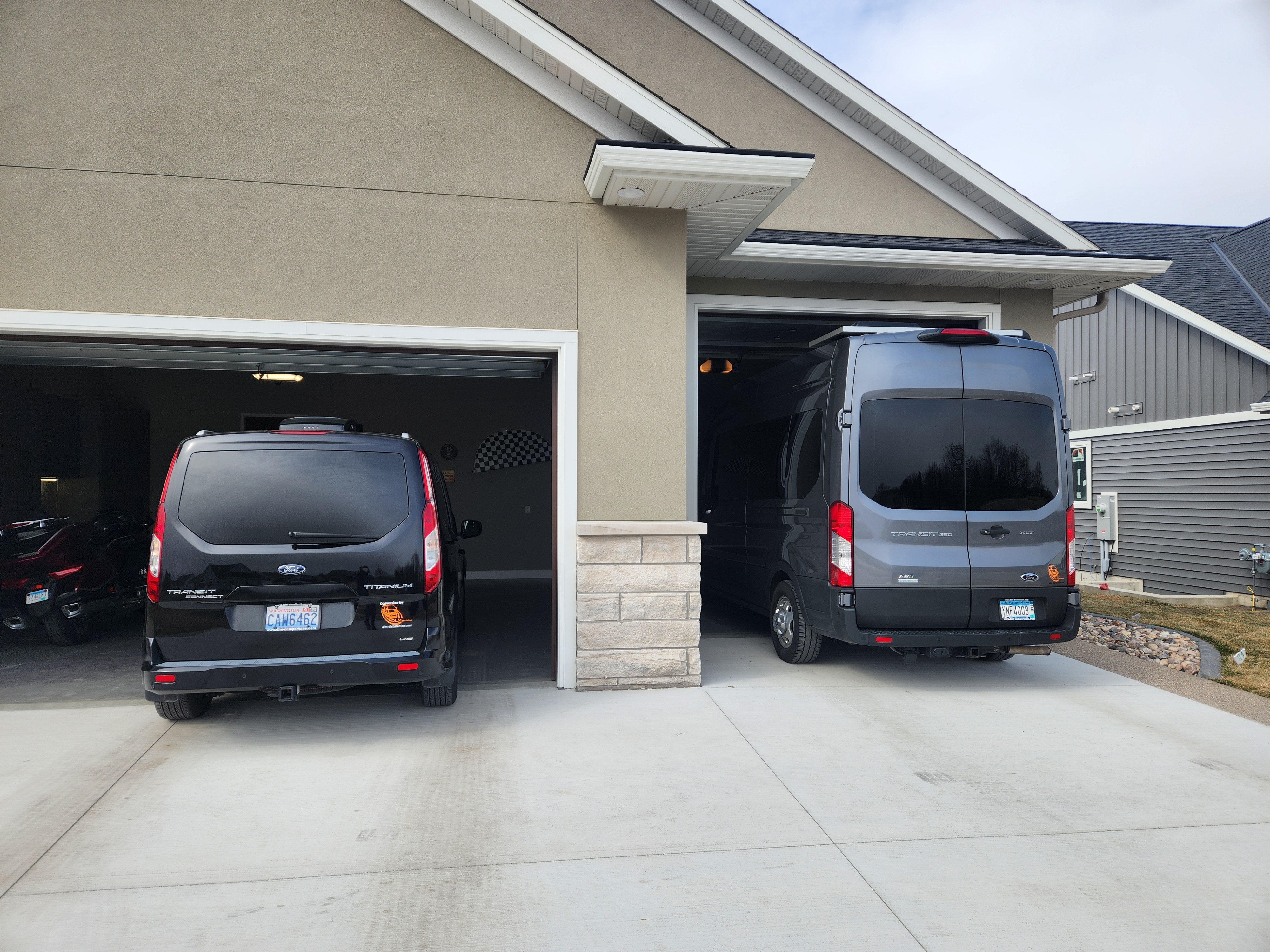
In most HOA-regulated communities, RVs are restricted from street parking and long-term driveway storage. These limitations are typically intended to reduce visual clutter, maintain consistent neighborhood aesthetics, and ensure emergency vehicle access. Many HOAs permit RVs on a short-term basis, often for 24 to 72 hours, for purposes such as trip preparation or post-travel unloading. Beyond that window, the RV usually must be stored inside a garage or moved off-site.
Garage storage is often the most HOA-compliant solution, but it introduces a practical challenge: most traditional RVs are too large to fit in a standard residential garage. This is where many homeowners run into issues after purchasing a camper or motorhome, only to discover that off-site storage becomes the only option. Over time, storage fees, inconvenience, and limited access can reduce how often the RV is actually used.
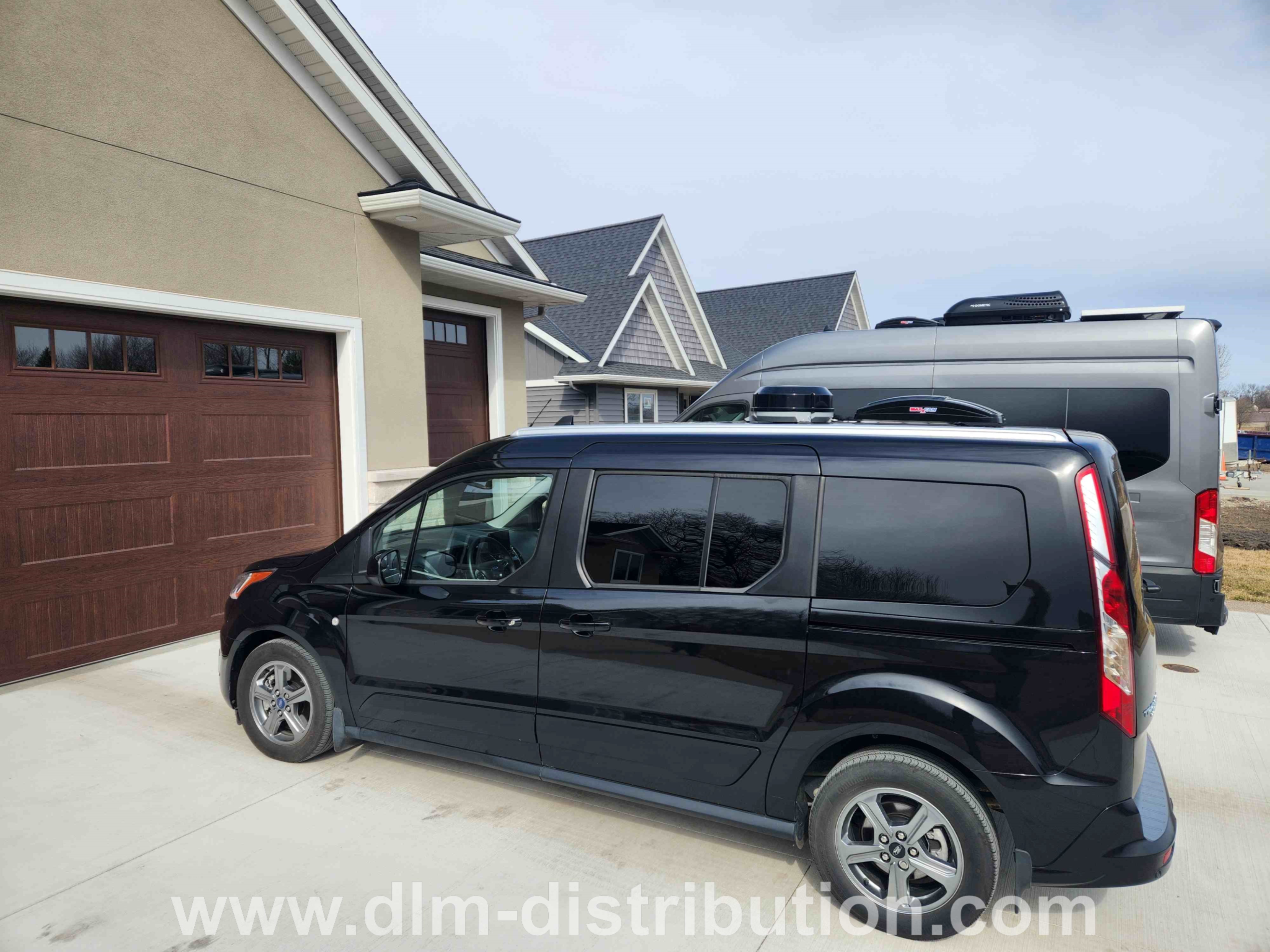
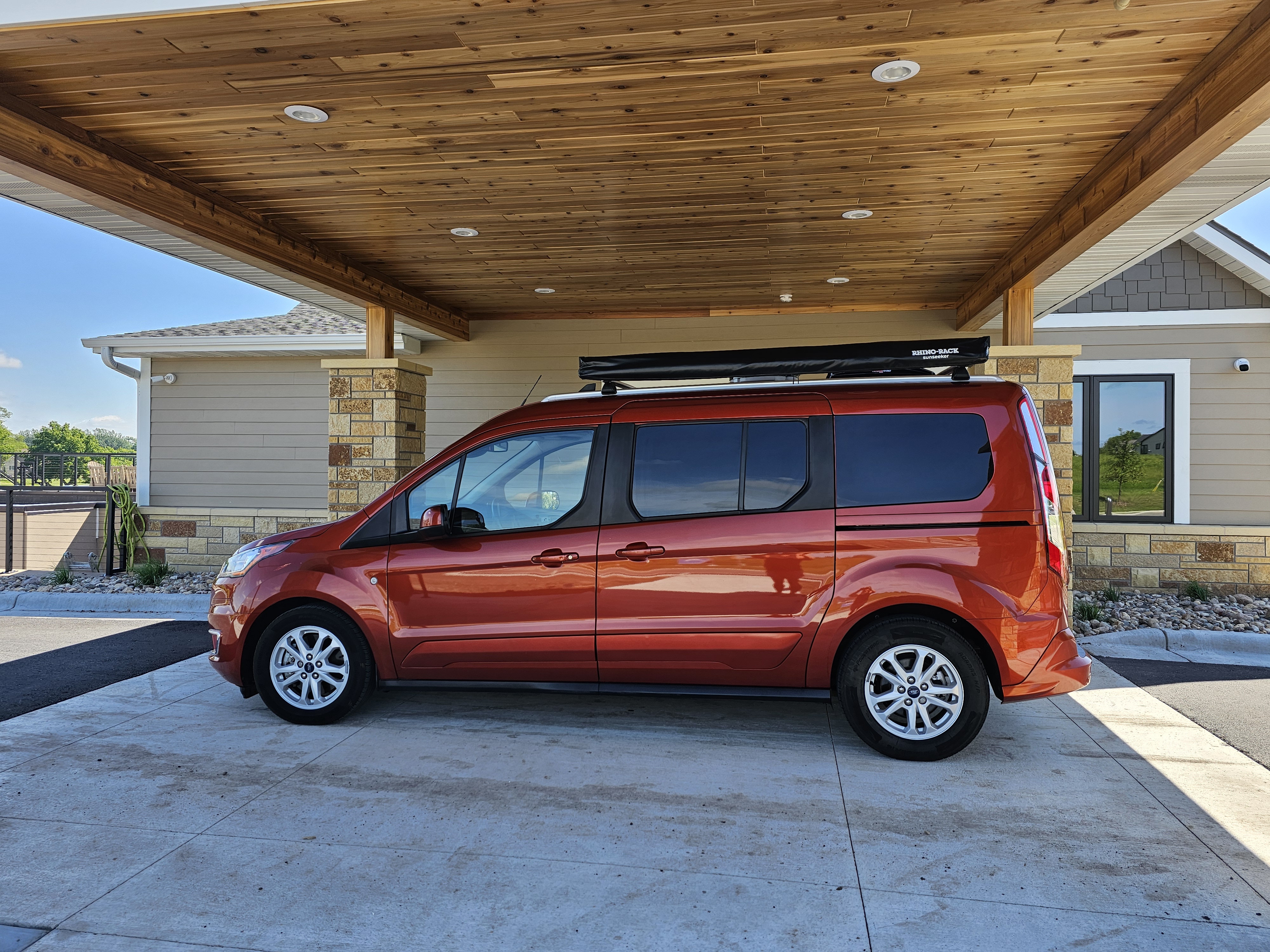
Because of this, HOA-friendly RV ownership often comes down to size, visibility, and everyday usability. Smaller RVs and campervans that fit inside a standard garage tend to align more naturally with HOA requirements. When an RV is fully enclosed and out of sight, it typically does not trigger parking or aesthetic restrictions at all, making ownership far simpler and less stressful.
Before purchasing any RV, homeowners should review their HOA’s governing documents, including the declaration, bylaws, and rules and regulations. If anything is unclear, it is wise to speak directly with the HOA board or property manager. Asking specific questions about garage storage, temporary parking allowances, and enforcement practices can provide clarity and help avoid misunderstandings.
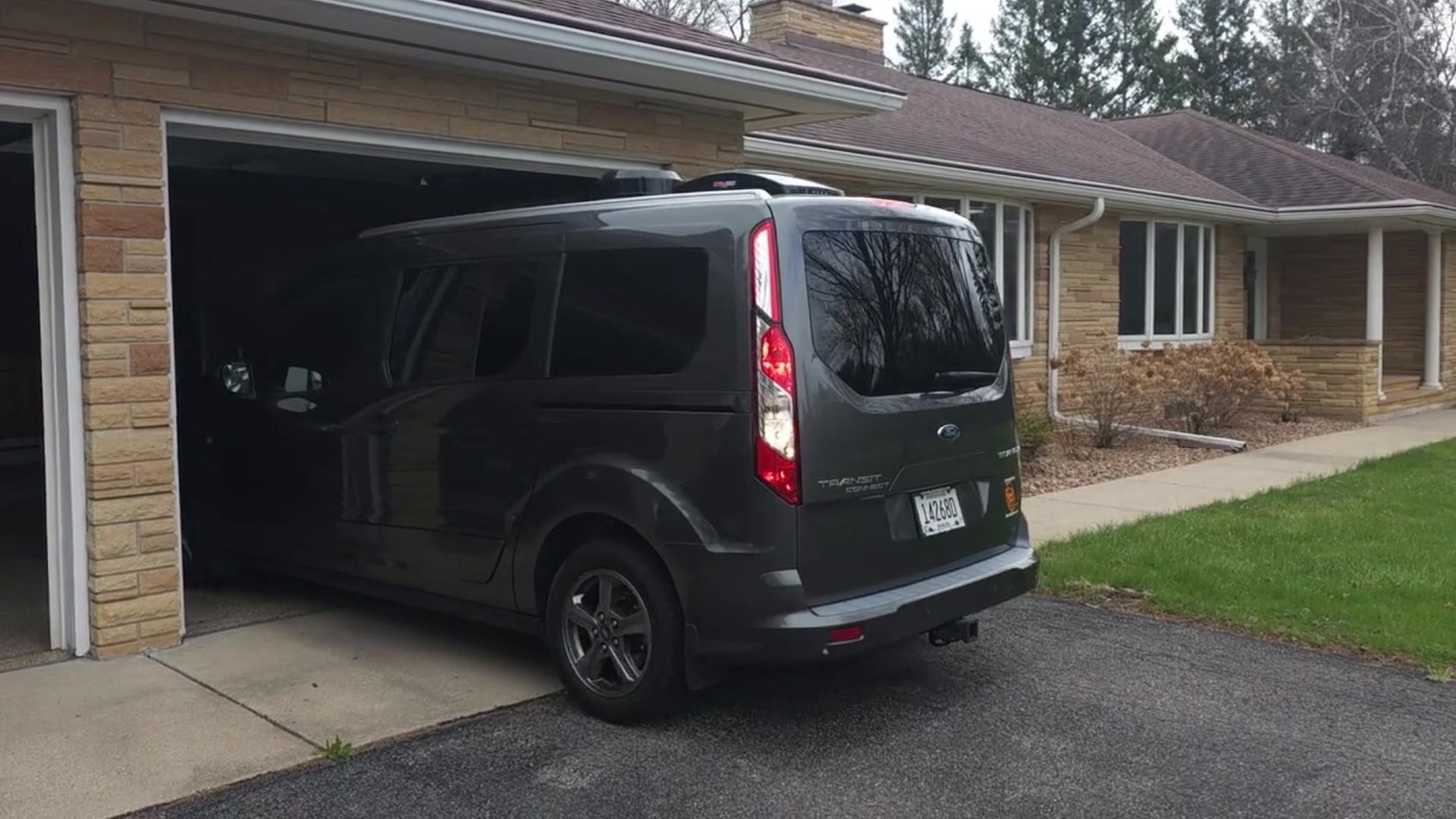
For homeowners who want to travel frequently without dealing with storage limitations, compact campervans are increasingly viewed as a practical alternative. Vehicles like the Mini-T Campervan are designed to fit in a standard garage and operate as a regular daily vehicle when not being used for travel. This dual-purpose design allows owners to enjoy camping and road trips without violating HOA rules or relying on off-site storage.
Beyond compliance, this approach also supports a more flexible lifestyle. When an RV can be parked at home, it is easier to use more often, maintain properly, and integrate into everyday life rather than being reserved only for occasional trips.
Ultimately, successful RV ownership in an HOA community starts with realistic expectations and informed decisions. By understanding local rules, choosing a vehicle that fits within those guidelines, and prioritizing practicality over size, homeowners can enjoy the benefits of RV travel while staying fully compliant with their community.
The right RV doesn’t just support where you travel—it should also support where you live.

DLM-Distribution / Campervans is a licensed manufacturer and dealer located in Lake Crystal, Minnesota, serving clients around the country.
Contact Dave: 651-285-7089 or Candy: 507-382-9446 today!