
NEWS
Garageable Campervans and HOA Living in Sarasota’s Three Oaks
For many homeowners, one of the biggest challenges of RV ownership is balancing a love for travel with the realities of neighborhood parking rules and residential community standards. In many HOA-regulated communities, oversized RVs, travel trailers, and large motorhomes can create storage challenges, driveway conflicts, or restrictions involving vehicle visibility and long-term parking.
Communities such as Three Oaks in Sarasota, Florida reflect this balance particularly well. Residents are drawn to the area for its peaceful residential atmosphere, attractive surroundings, and proximity to the Gulf Coast, while HOA guidelines help preserve the overall appearance and functionality of the neighborhood.
As more homeowners look for practical ways to combine travel with residential living, smaller campervans have become a far more natural fit for many HOA communities than traditional oversized motorhomes.

The Appeal of Living in Three Oaks
Located in Sarasota, Three Oaks offers a quieter residential setting while remaining close to many of the attractions that make Florida’s Gulf Coast so desirable.
Residents enjoy convenient access to beaches, restaurants, shopping, golf courses, parks, and cultural destinations throughout the Sarasota area. The community itself is known for landscaped surroundings, neighborhood amenities, and the organized residential appearance many homeowners specifically seek when choosing HOA living.
Like many established HOA communities, Three Oaks attempts to balance homeowner flexibility with long-term neighborhood consistency. Parking regulations, property maintenance standards, and vehicle restrictions are generally intended to preserve residential aesthetics while avoiding overcrowding and long-term storage concerns.
Why RV Parking Rules Exist in HOA Communities
Across the country, many homeowners associations place restrictions on RV parking, especially involving large motorhomes, trailers, and oversized vehicles parked long term in driveways or alongside homes.
These rules are often tied to concerns involving neighborhood appearance, street congestion, visibility, and maintaining consistent residential standards throughout the community.
For homeowners who enjoy camping and travel, however, these restrictions can create practical challenges. Off-site storage facilities add cost, reduce convenience, and often make RV ownership less spontaneous.
For many homeowners, compact and garageable campervans offer a more practical solution because they fit more comfortably into residential neighborhoods while avoiding many of the storage complications commonly associated with larger RVs.

Why Smaller Campervans Fit Residential Living Better
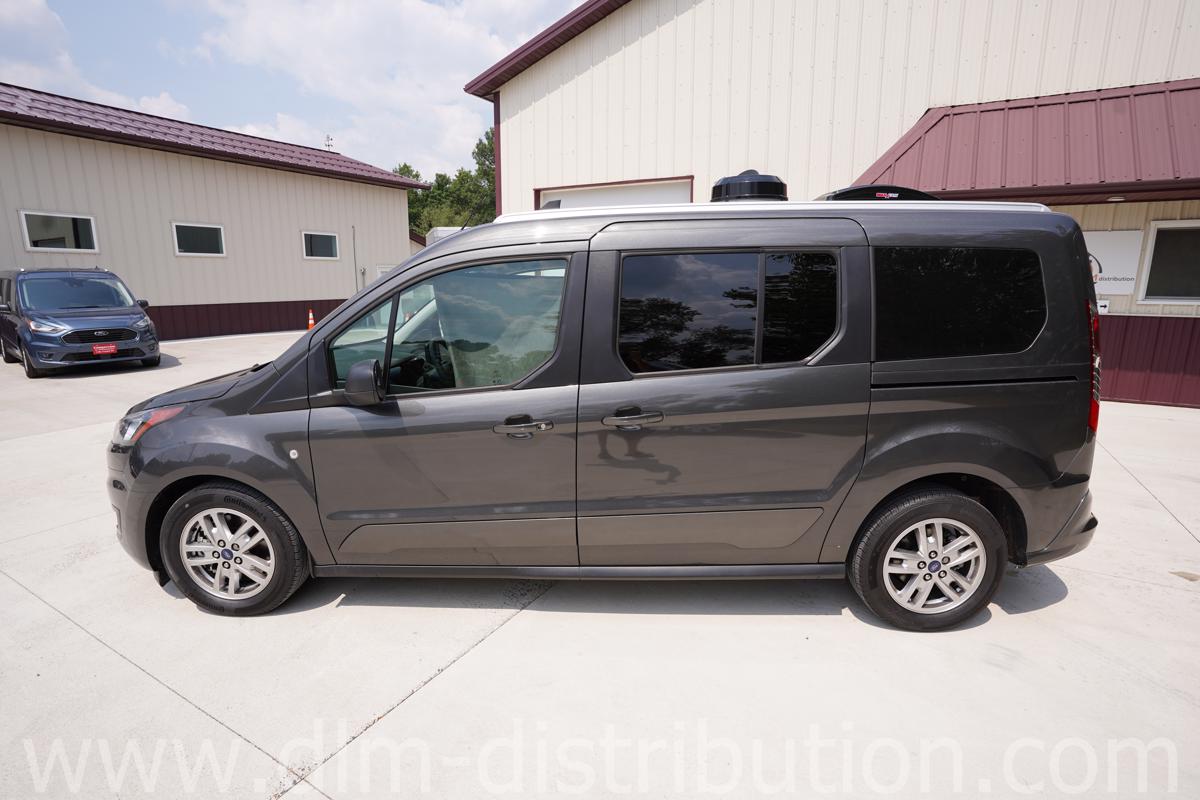
Compact campervans create fewer parking and storage concerns because they resemble passenger vehicles far more closely than large motorhomes or commercial-style RVs.
Lower-profile campervans are generally easier to drive, easier to park, easier to maneuver through residential areas, and less visually disruptive within HOA communities.
For many homeowners, the ability to store a campervan inside a standard residential garage becomes one of the biggest advantages of smaller RV ownership. Indoor storage not only helps with HOA compliance, but also protects the vehicle from Florida sun exposure, storms, and long-term weather wear.
Interest in campervans under seven feet tall continues to remain strong because they fit more naturally into everyday life while still providing the flexibility and freedom many travelers want from RV ownership.
A Different Philosophy of RV Travel
Many smaller campervans are designed around a different philosophy of travel — one that prioritizes flexibility, fuel efficiency, manageable size, and compatibility with everyday life rather than oversized campground-oriented living.
The Mini-T Campervan reflects that approach by emphasizing practicality, garage compatibility, ease of driving, and everyday usability within a compact footprint.
For many owners, that practicality changes how often the campervan actually gets used. Vehicles that fit naturally into residential life are often easier to take on spontaneous trips, weekend getaways, driveway visits with family, and longer cross-country travel without the storage complications commonly associated with larger RVs.
Compact campervans also work well for homeowners who want a vehicle capable of both travel and everyday transportation without maintaining a second oversized recreational vehicle.
Travel Freedom Without Leaving Residential Life Behind
For many people living in communities like Three Oaks, the appeal of a compact campervan is not simply about camping. It is about flexibility.
Smaller campervans allow homeowners to travel comfortably while still maintaining compatibility with residential neighborhoods, HOA expectations, and everyday living needs.
That balance between mobility and practicality has become one of the defining reasons compact campervans remain appealing among homeowners, retirees, couples, and travelers looking for a simpler and more manageable approach to RV ownership.
In many ways, vehicles like the Mini-T Campervan represent a different approach to travel — one centered less around oversized RV living and more around freedom, flexibility, efficiency, and ease of use.

DLM-Distribution / Campervans is a licensed manufacturer and dealer located in Lake Crystal, Minnesota, serving clients around the country.
Contact Dave: 651-285-7089 or Candy: 507-382-9446 today!