
NEWS
HOA RV Parking Rules: Why Garageable Campervans Are Growing in Popularity
As RV travel and campervan ownership continue growing in popularity, many homeowners are discovering that storing an RV at home is not always as simple as pulling into the driveway. Across the country, homeowners associations (HOAs), neighborhood covenants, city ordinances, and residential parking regulations often place restrictions on RV parking within residential communities.
For many RV owners, these rules can become one of the biggest challenges of ownership — especially for those living in suburban neighborhoods, townhome developments, condominium communities, or HOA-regulated properties.
At the same time, changing travel habits and the growing popularity of smaller campervans are beginning to reshape how some communities view RV ownership altogether.
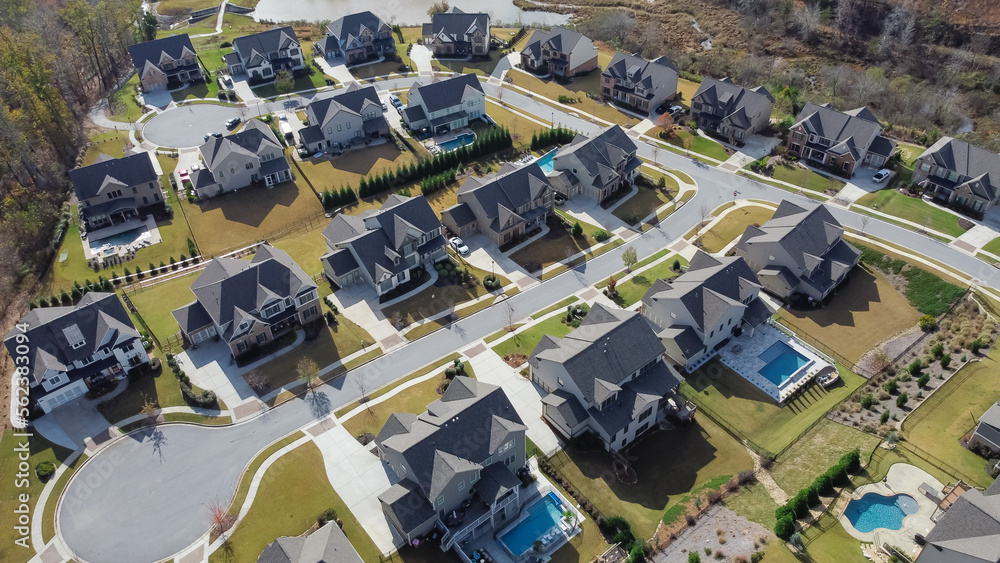
Why HOAs Restrict RV Parking
Most HOA restrictions involving RVs are not necessarily directed against camping or travel itself. Instead, they are usually tied to broader concerns involving neighborhood appearance, parking congestion, property values, zoning compliance, and long-term residential use.
Large motorhomes, travel trailers, fifth wheels, camper vans, and commercial-style RVs can significantly change the visual appearance of residential streets and driveways. In some neighborhoods, oversized RVs may block sight lines, limit guest parking, or create concerns involving street congestion and storage aesthetics.
Another common concern involves preventing long-term occupancy or permanent living inside RVs parked on residential lots. Municipal zoning laws, sanitation regulations, and utility concerns often overlap with HOA policies in these situations.
As a result, many HOA communities create rules that limit where RVs may be parked, how long they may remain visible, or whether they can be stored on-site at all.
Not All RVs Create the Same Challenges
One important shift happening throughout the RV industry is the growing popularity of smaller and more manageable campervans.
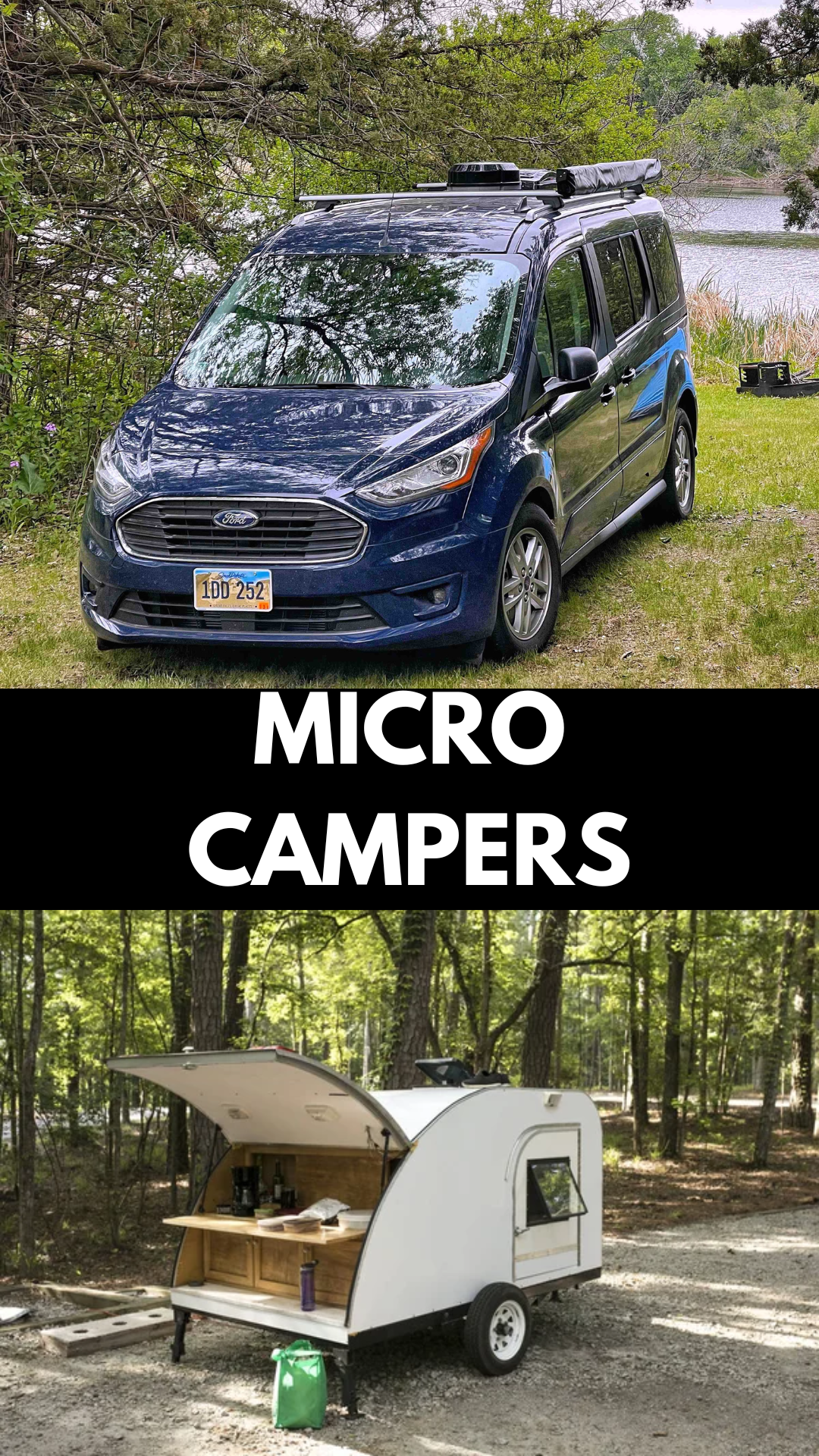
Unlike larger motorhomes that may dominate a driveway or require off-site storage, compact Class B campervans often fit more naturally into residential settings. Their smaller footprint, lower height, and passenger-vehicle appearance create fewer concerns in many neighborhoods compared to traditional RVs.
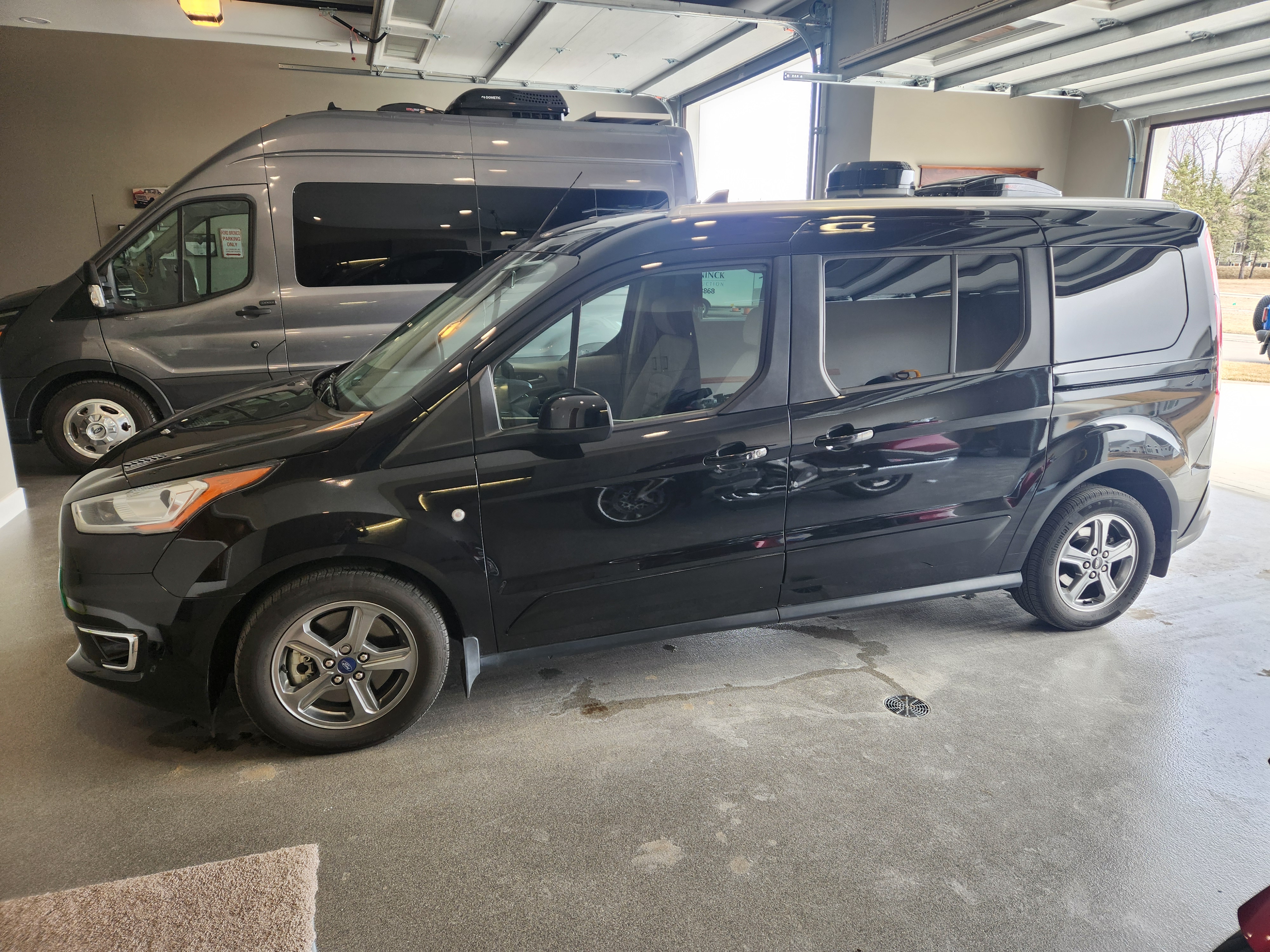
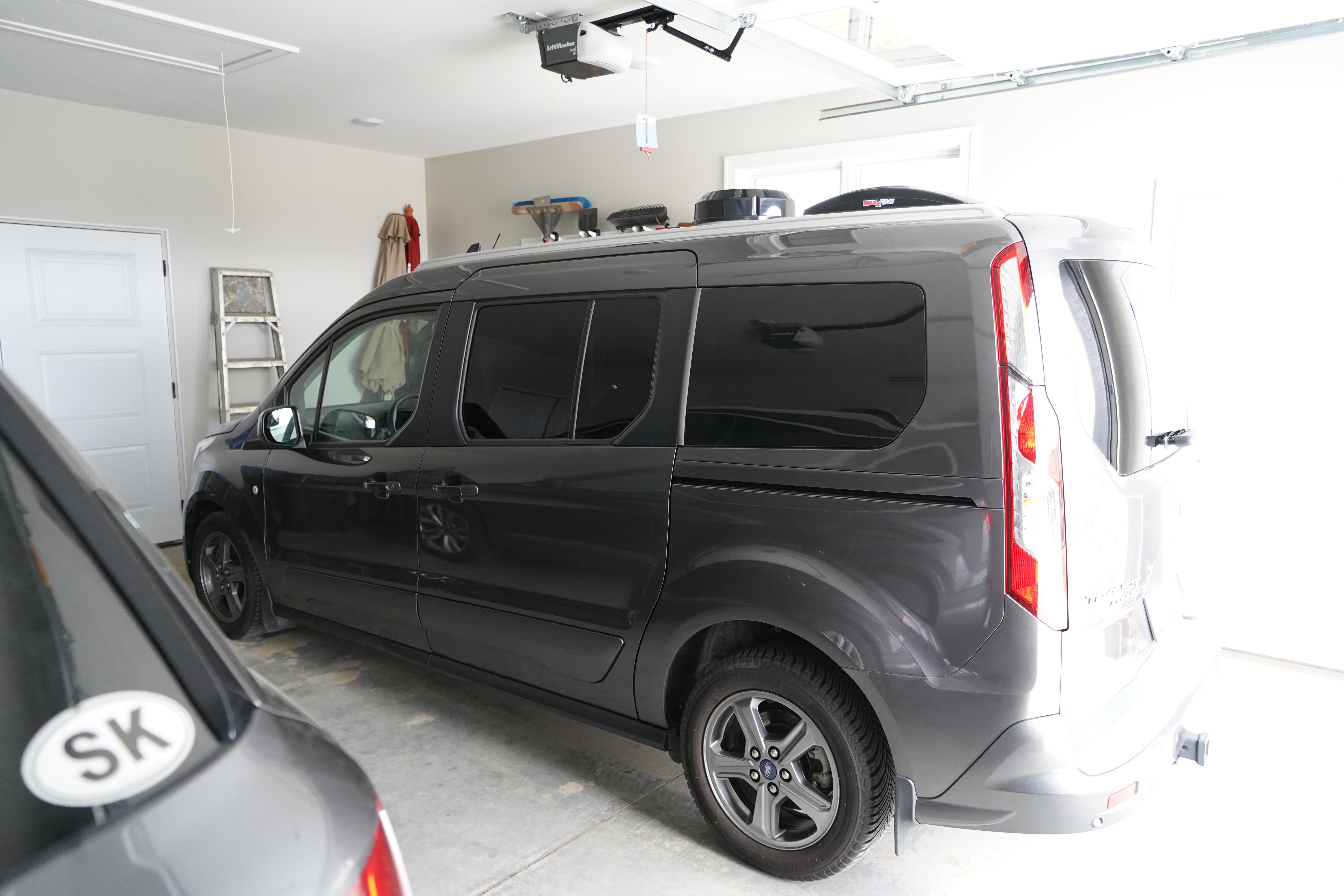
This has helped fuel growing interest in garageable campervans that can fit inside standard residential garages while remaining fully functional for camping and travel.
Vehicles such as the Mini-T Campervan are often specifically sought out by homeowners who want the flexibility of RV travel without the storage complications that frequently come with larger RVs.
Garage Storage Changes the Conversation
For many homeowners associations, garage storage creates a practical compromise.
If an RV can be stored entirely inside a standard residential garage, many common HOA concerns involving aesthetics, visibility, and street congestion are significantly reduced. This is one reason garageable campervans continue gaining attention among homeowners who want to balance travel flexibility with neighborhood regulations.
For many people, this approach allows them to enjoy RV travel while maintaining compliance with community guidelines and avoiding expensive off-site storage facilities.
Garage storage also provides practical benefits beyond HOA compliance. Vehicles stored indoors are often better protected from weather, sun exposure, hail, snow, and long-term exterior deterioration.
Designated RV Storage Areas and Community Flexibility
Some residential communities have adapted by creating designated RV parking and storage areas for residents. These lots are often located within or near the development and allow residents to store larger RVs while preserving neighborhood appearance standards.
Other communities permit temporary RV parking for loading, unloading, cleaning, or preparing for trips, even when long-term driveway parking is restricted.
Because every HOA operates differently, regulations can vary significantly from one neighborhood to another. Some associations maintain strict vehicle restrictions, while others have become more flexible as campervan ownership becomes more common.
In many communities, HOA rules are also subject to homeowner participation and board decisions. Residents who attend meetings, participate in discussions, and remain involved in the rulemaking process can often help shape how RV policies evolve over time.
Everyday Practicality Matters
Another reason smaller campervans continue growing in popularity is that many owners use them for far more than occasional camping trips.
Compact campervans are now commonly used not only for long-distance travel, but also for weekend trips, national park travel, outdoor recreation, driveway camping with family, remote work travel, and everyday flexibility. That broader practicality often changes how owners evaluate RV size, storage needs, and neighborhood compatibility.
Interest in RVs for everyday use has grown alongside demand for smaller campervans that balance mobility, fuel efficiency, and residential practicality.
For many homeowners, being able to keep an RV at home and ready to use has become just as important as the travel experience itself.
Balancing Community Standards and RV Ownership
HOA RV parking rules will likely continue evolving as travel habits, vehicle sizes, and consumer preferences change.
While restrictions on large RVs can sometimes frustrate owners, many communities are ultimately trying to balance residential appearance, parking limitations, neighborhood functionality, and homeowner flexibility.
At the same time, the growing popularity of compact and garageable campervans is creating new options for people who want the benefits of RV travel without many of the storage and neighborhood conflicts traditionally associated with larger motorhomes.
For many homeowners, that balance between mobility, practicality, and residential compatibility is becoming one of the biggest reasons smaller campervans continue gaining attention throughout the RV industry.

DLM-Distribution / Campervans is a licensed manufacturer and dealer located in Lake Crystal, Minnesota, serving clients around the country.
Contact Dave: 651-285-7089 or Candy: 507-382-9446 today!