
NEWS
Great Smoky Mountains Travel Guide: A Slower Way to See the Park
Great Smoky Mountains National Park stretches along the border of Tennessee and North Carolina, where layers of blue ridgelines fade into the distance and the pace of travel naturally slows down. As the most visited national park in the country, it’s easy to access—but it still offers quiet corners, long scenic drives, and moments that feel far removed from anything busy or structured.
For many visitors, the experience begins before they arrive. Roads wind through foothills, elevations gradually rise, and overlooks appear without much warning. It’s the kind of place where getting there is part of the reason to go.
The Drive Into the Smokies
Approaching the Smokies by road offers something that’s easy to overlook—context. You see the land change, the towns thin out, and the mountains slowly take over the horizon. Scenic routes like the Blue Ridge Parkway and Foothills Parkway aren’t just ways to get there; they’re part of the overall experience.
It’s a different way to travel compared to flying, where the in-between disappears. The contrast is subtle at first, but it changes how a place is experienced, something explored further in why driving instead of flying creates a different kind of trip.
Landscape, Wildlife, and Elevation
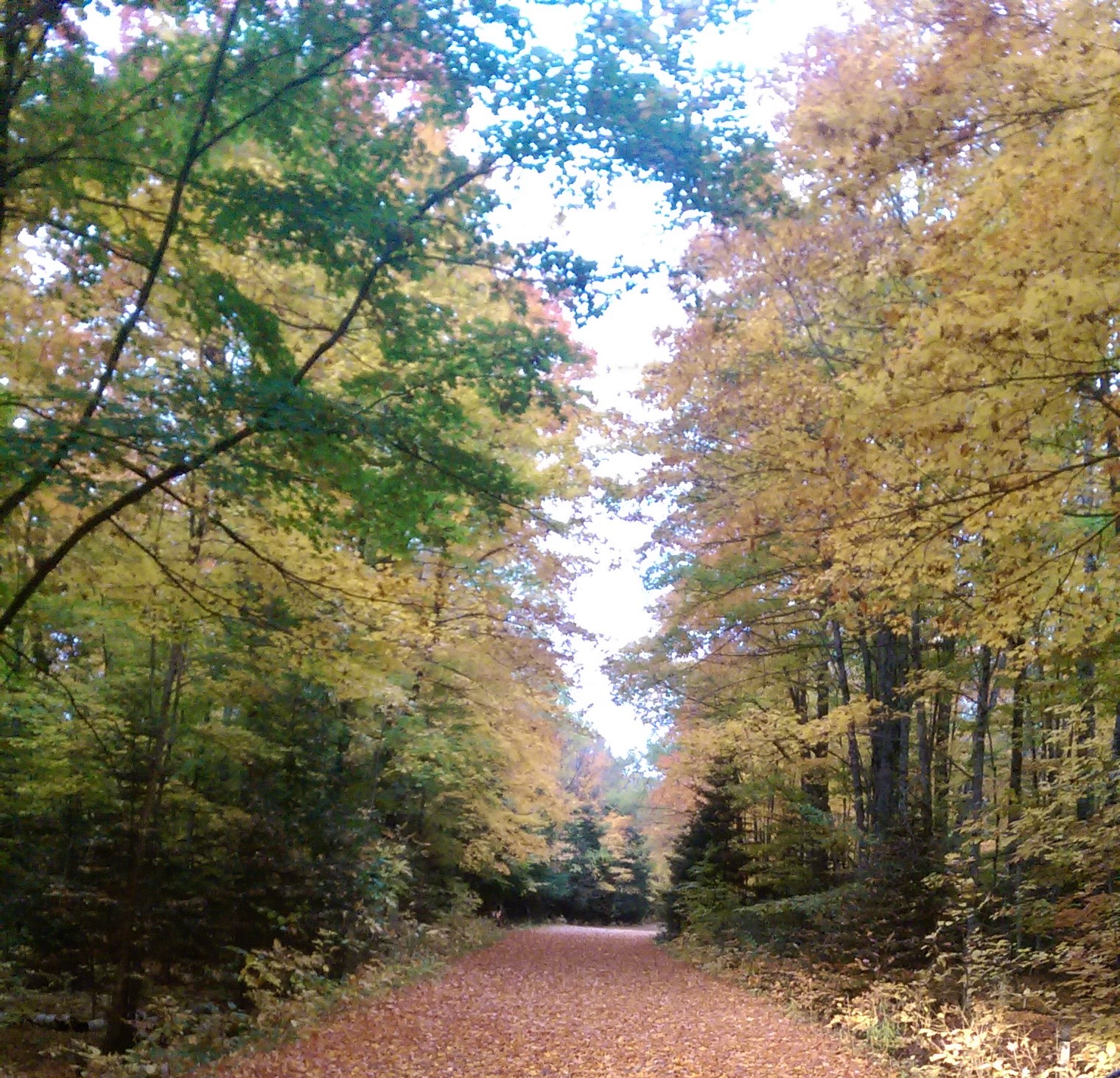
The Smokies are defined by variation. Elevations range from under 1,000 feet to over 6,600 feet, creating noticeable shifts in temperature, vegetation, and visibility as you move through the park. In the fall, this spread in elevation extends the color season across several weeks, changing gradually from the lower valleys to the highest ridges.
Wildlife is part of the experience as well. Black bears, elk, and white-tailed deer are commonly seen, especially in areas like Cades Cove and Cataloochee. Early mornings and evenings tend to offer the best chances to observe them moving through open fields or along the tree line.

Time on the Trail
With more than 800 miles of trails, the Smokies offer a wide range of hiking experiences. Short walks like Cataract Falls provide an easy introduction, while longer routes—such as Charlies Bunion or stretches of the Appalachian Trail—bring you deeper into the park.
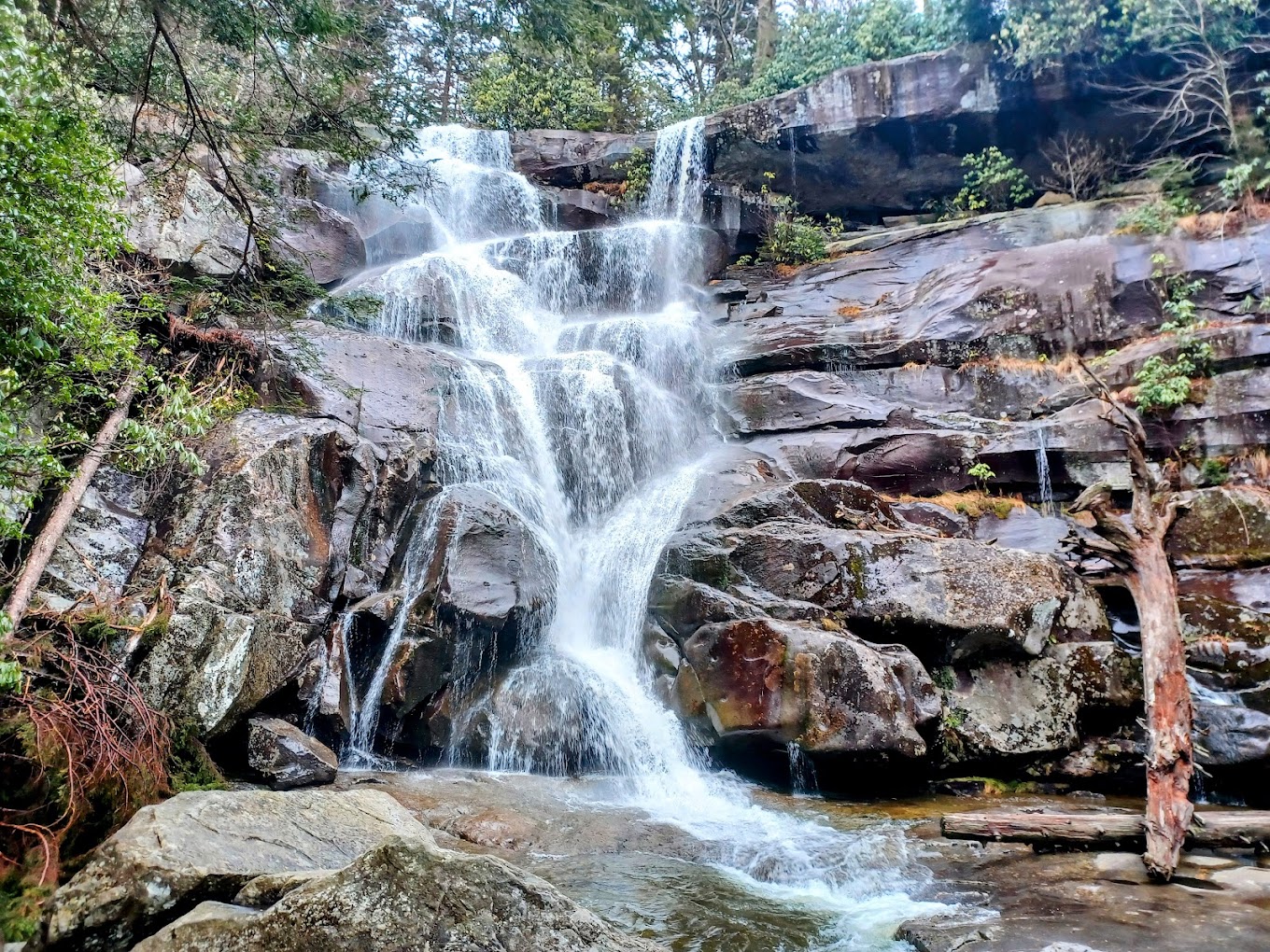
Waterfalls are scattered throughout the landscape, often reached by moderate hikes. Abrams Falls, Rainbow Falls, and Grotto Falls are among the most visited, each offering a different setting shaped by elevation and water flow.
Historic areas like Cades Cove, Mingus Mill, and the Mountain Farm Museum add another layer, showing how people once lived in these mountains long before they became a national park.
Where You Stay Shapes the Experience
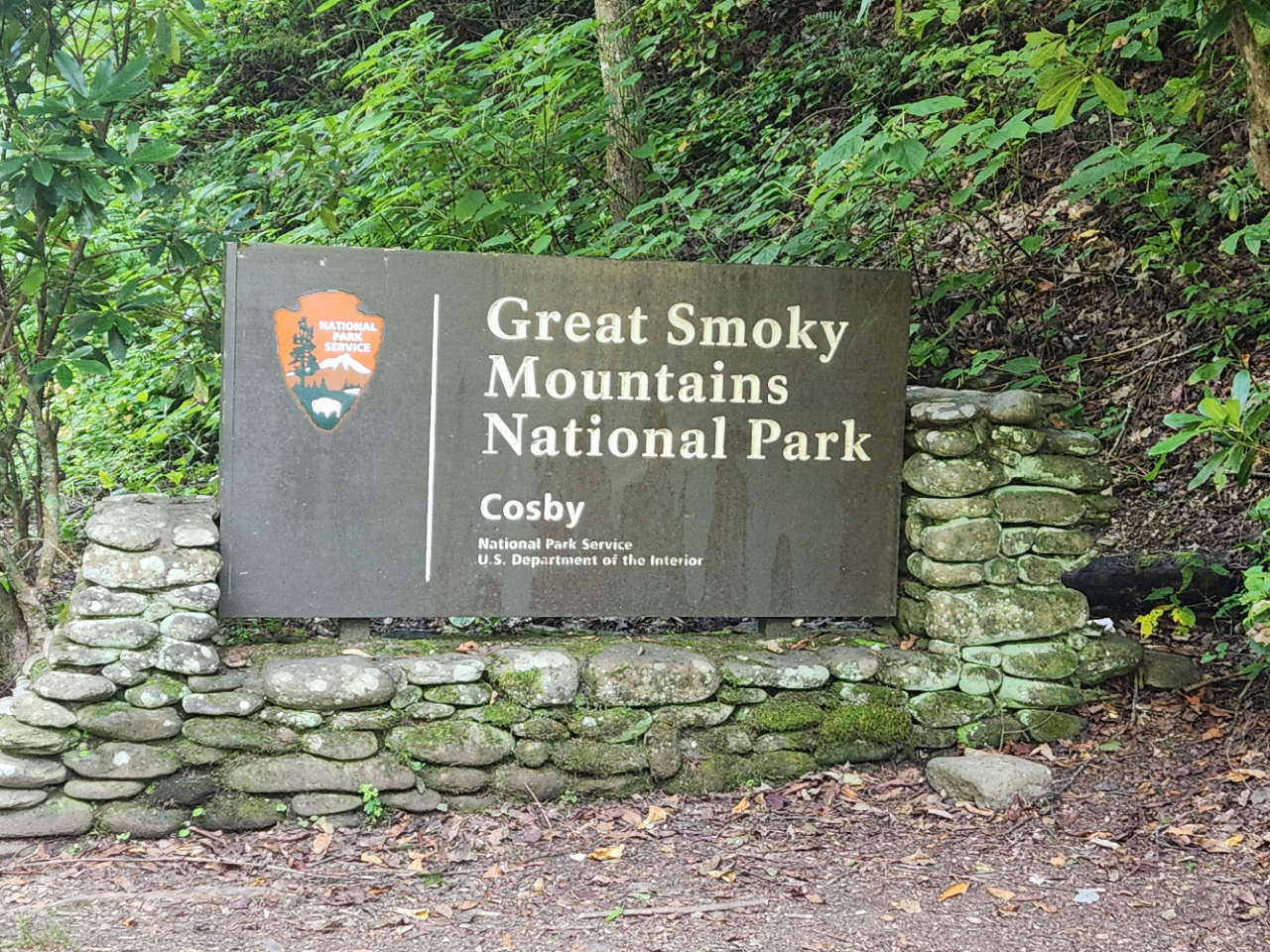
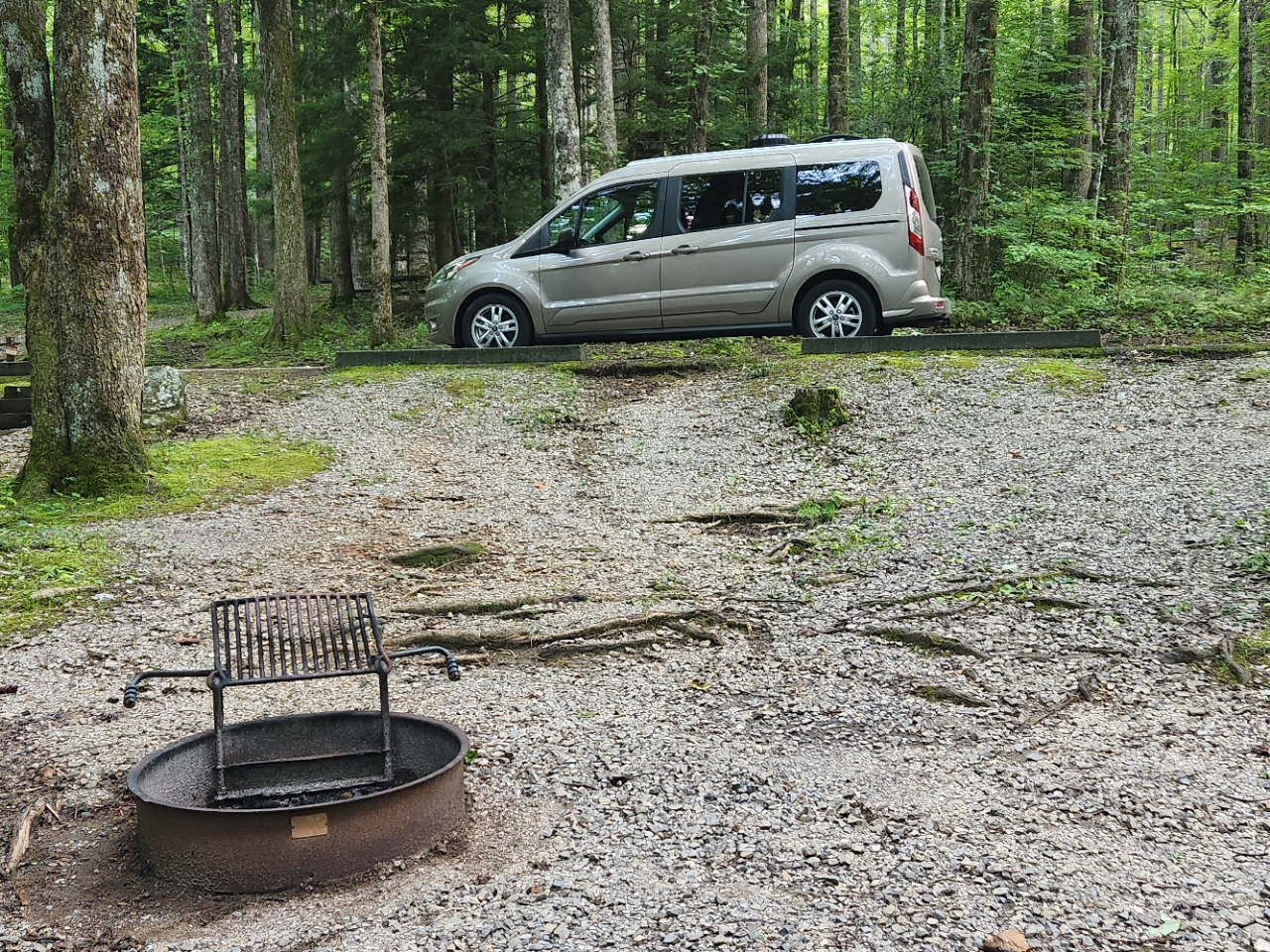
Campgrounds throughout the park offer different perspectives on the Smokies. Cades Cove provides open views and frequent wildlife sightings, while Elkmont sits closer to trailheads and waterfalls. Smokemont connects you to the North Carolina side, and Cosby offers a quieter setting with fewer crowds.
Spending time in more than one area can change how the park feels—from open valleys to dense forest, from busier loops to quieter corners.
Keeping the Trip Simple
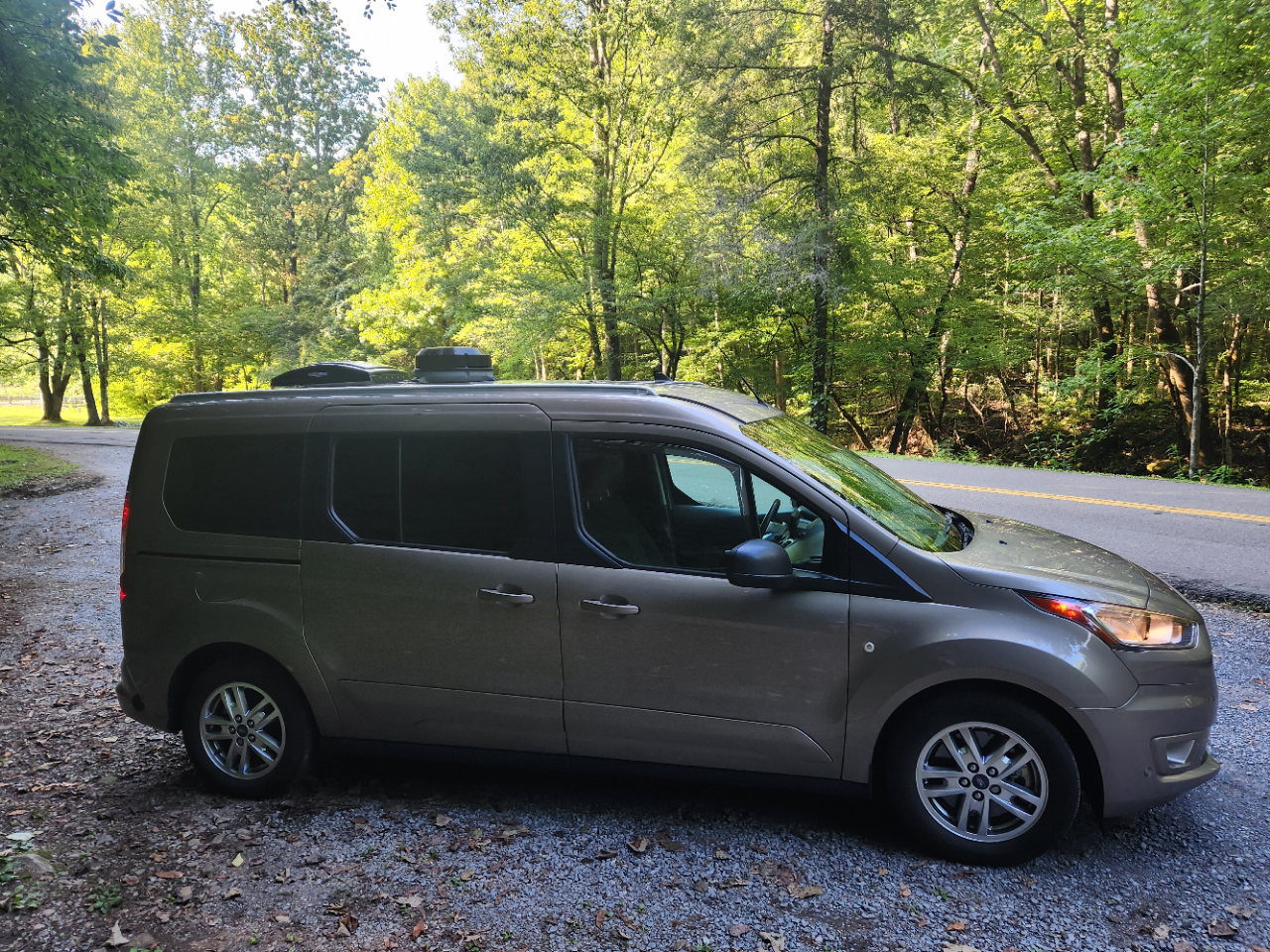
Travel in the Smokies tends to be better when it’s less structured. Fewer fixed plans, more time between stops, and the ability to adjust along the way often lead to a better overall experience.
This is especially true when visiting multiple areas of the park. Simplifying how you move and where you stay can reduce both cost and complexity, something discussed further in ways to reduce travel expenses while staying flexible.
A Park That Rewards Slowing Down
The Great Smoky Mountains aren’t defined by a single viewpoint or destination. The experience builds over time—through changing light, quiet stretches of road, time on the trail, and the space between one stop and the next.
It’s a place that becomes more memorable the less you rush through it. And for many travelers, that ends up being the difference between simply visiting the Smokies and actually experiencing them.
Happy Camping!
DLM-Distribution / Campervans is a licensed manufacturer and dealer located in Lake Crystal, Minnesota, serving clients around the country.
Contact Dave: 651-285-7089 or Candy: 507-382-9446 today!