
NEWS
For many RV owners, one of the biggest surprises comes after purchasing a motorhome or travel trailer: figuring out where to keep it.
Across the United States, homeowners associations (HOAs) commonly place restrictions on RV parking, storage, and visibility. In many neighborhoods, especially newer developments and planned communities, parking a large RV in the driveway or along the street simply is not allowed.
That reality has led many travelers to rethink what type of RV actually works best for residential living—particularly for homeowners who want both the freedom to travel and the convenience of keeping their RV at home.
As a result, interest has steadily grown in smaller, garage-friendly Class B campervans that can blend more naturally into HOA-regulated communities.
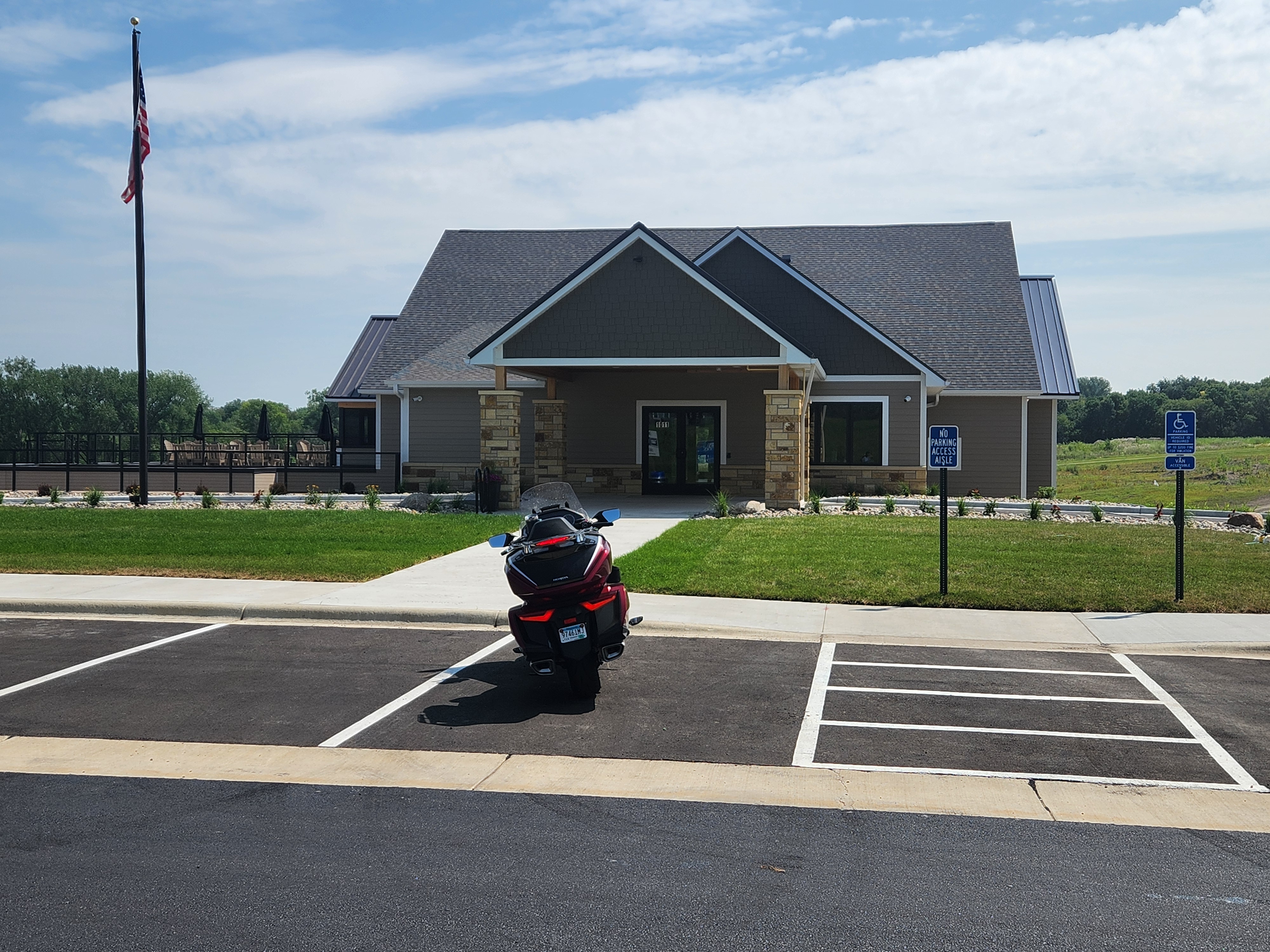
Why HOA Restrictions on RVs Are So Common
Homeowners associations are generally designed to maintain consistency within a neighborhood while protecting property values and community appearance. Because of that, large RVs, trailers, fifth wheels, and commercial-style vans are often restricted through HOA bylaws and covenants.
Some of the most common HOA RV rules include:
Driveway Parking Restrictions
Many HOAs prohibit RVs from being parked in driveways for extended periods of time. Some communities may allow temporary loading and unloading, while others prohibit RV parking altogether.
Street Parking Limitations
Street parking restrictions are especially common in HOA communities where oversized vehicles can block sightlines, sidewalks, or neighborhood aesthetics.
Garage Storage Requirements
In many cases, RVs are allowed only if they are stored completely inside a garage and out of public view.
Vehicle Size Restrictions
Some HOAs specifically define acceptable vehicle dimensions, often eliminating larger Class A motorhomes, trailers, or oversized vans.
Aesthetic and Maintenance Standards
Visible vehicles may be required to remain clean, operational, and free from signs of long-term storage.
While these restrictions can frustrate RV owners, they are not unusual. In fact, they are now standard across many suburban and planned communities throughout the country.
Communities such as Siesta Hills, and many others like it, often allow RV ownership when the vehicle can be stored properly inside a garage. In some newer HOA developments, larger garage options are even incorporated into home designs specifically for homeowners who travel or own recreational vehicles. Still, every HOA is different, and buyers should always review the specific rules, covenants, and garage requirements before purchasing a home or RV.
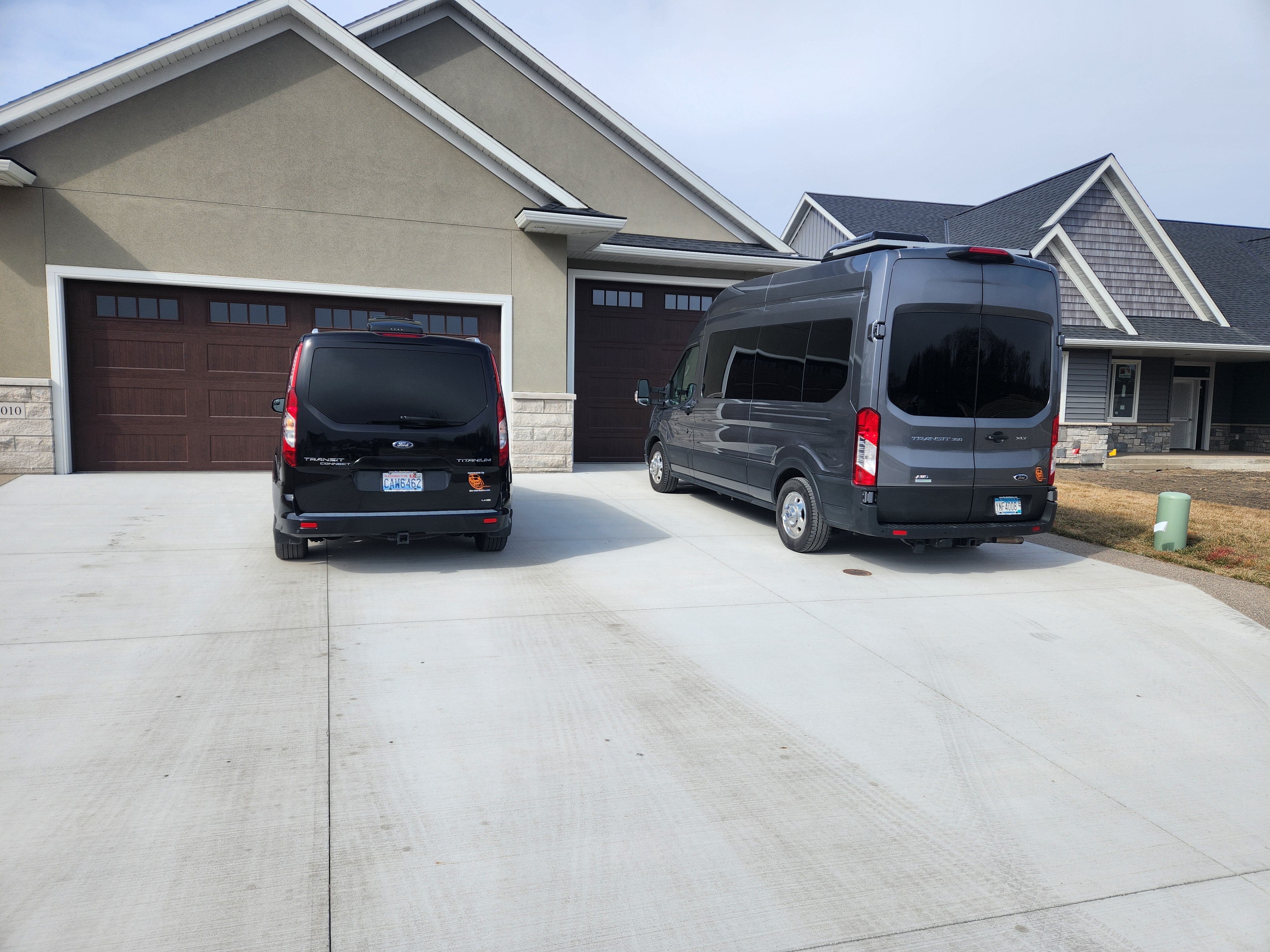
The Growing Challenge of Traditional RV Ownership
For homeowners living in HOA communities, traditional RV ownership often creates logistical problems that many buyers do not initially consider.
Large RVs may require:
Off-site storage facilities
Monthly storage fees
Special insurance considerations
Limited access due to distance from home
Additional maintenance concerns during long storage periods
In some metropolitan areas, RV storage facilities are increasingly expensive and difficult to secure. Waiting lists are not uncommon, particularly in warmer climates and growing suburban regions.
That inconvenience has caused many travelers to reconsider whether owning a large motorhome truly fits their long-term lifestyle.
Why Smaller Campervans Are Becoming More Popular
In recent years, compact Class B campervans have gained popularity because they solve many of the practical issues associated with larger RVs.
Smaller campervans are easier to:
Store at home
Drive daily
Park in cities and campgrounds
Fuel economically
Use spontaneously without major preparation
For many retirees, couples, and frequent travelers, the appeal is not about having the biggest RV possible—it is about having an RV that integrates naturally into everyday life.
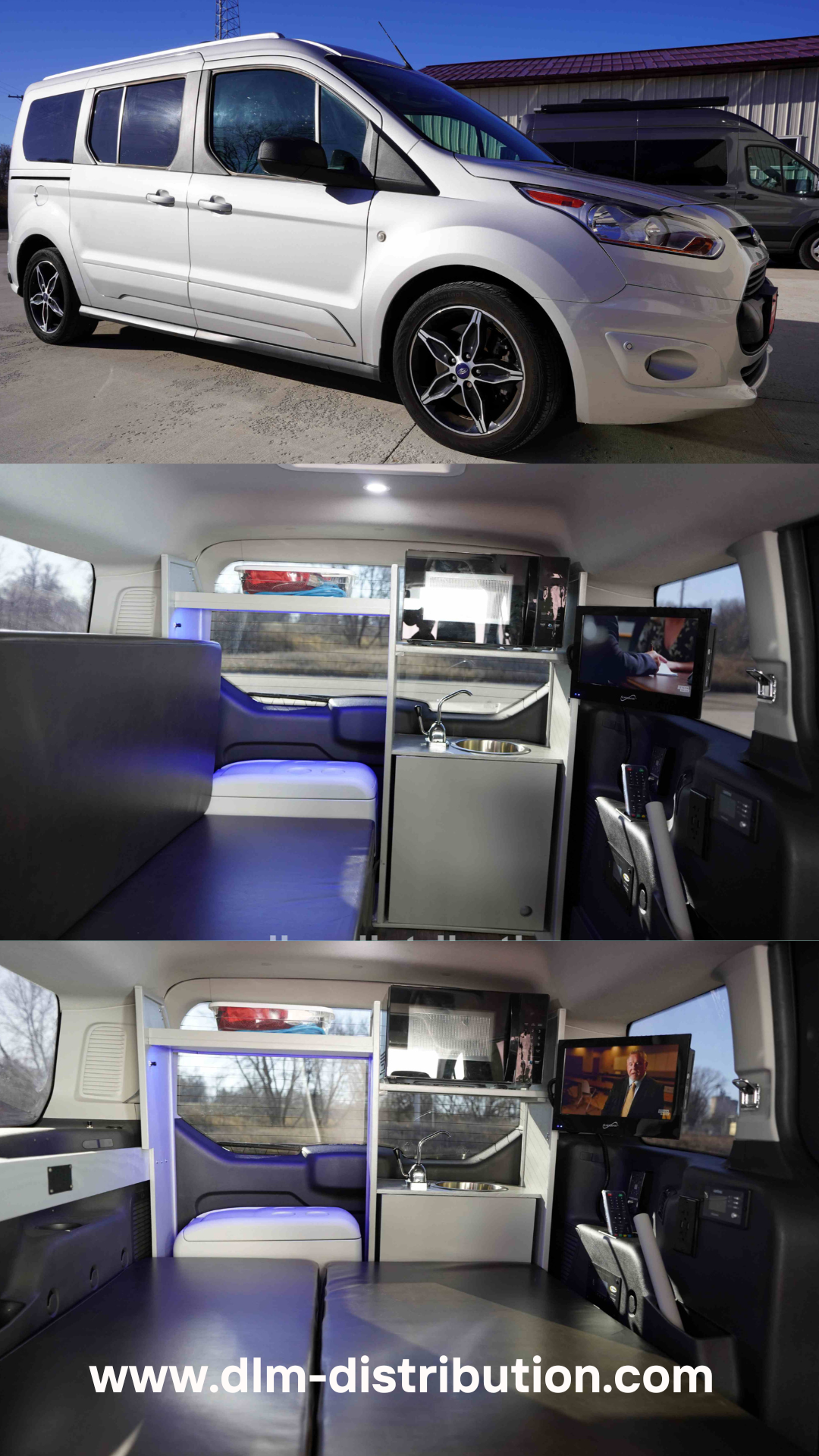
The Appeal of a Garage-Friendly Campervan
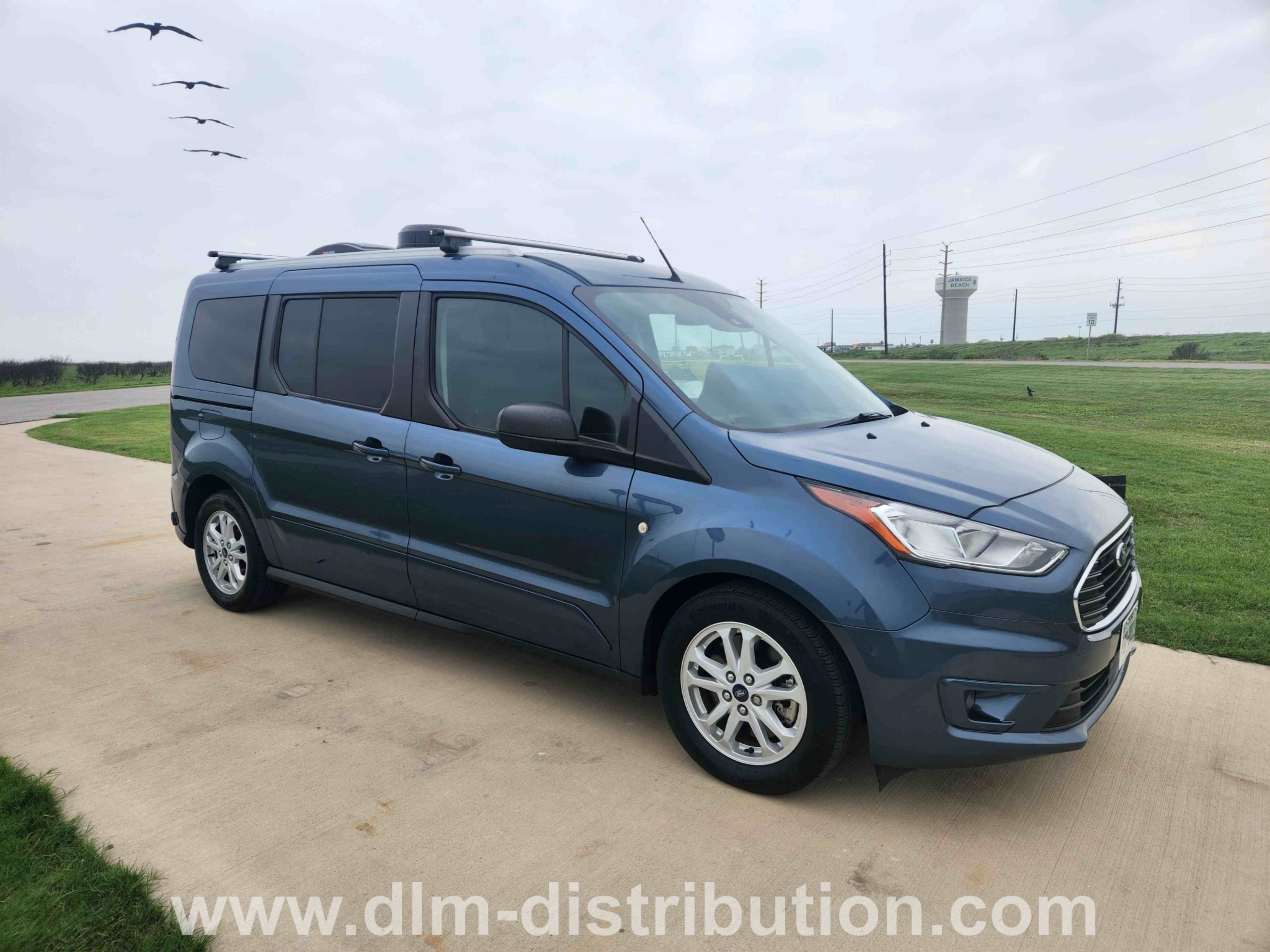
The Mini-T Campervan was designed around a concept many RV buyers now actively search for: a campervan that can function as both a travel vehicle and an everyday vehicle while remaining practical for residential ownership.
One of the defining characteristics of the Mini-T Campervan is its garage-friendly size. Unlike many larger RVs, the Mini-T can fit inside a standard residential garage in most configurations, allowing owners to keep the vehicle at home while remaining compliant with many HOA storage requirements.
For homeowners, that changes the ownership experience significantly. Instead of traveling across town to retrieve an RV from storage, the campervan remains readily accessible for weekend trips, vacations, scenic drives, or seasonal travel.
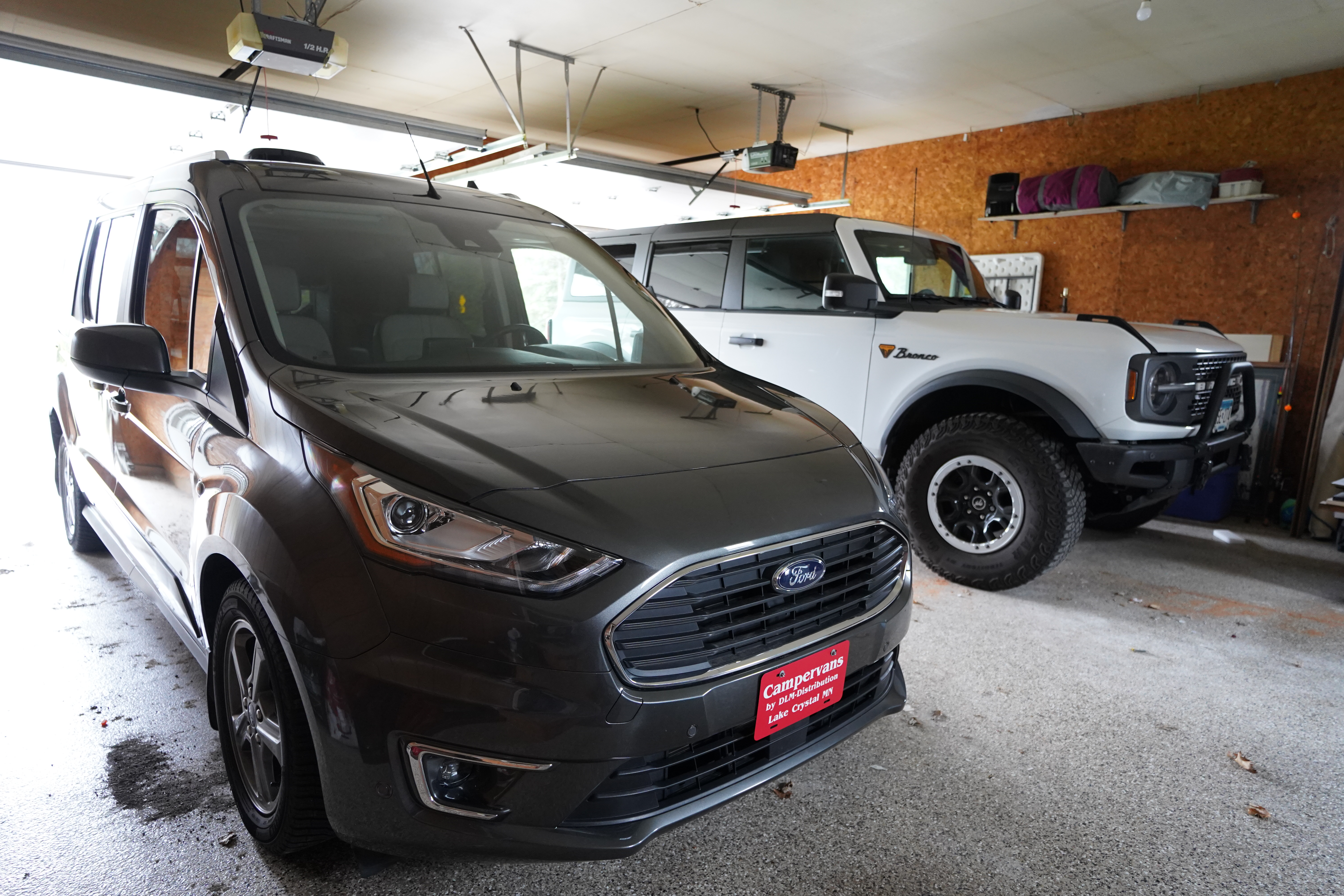
Practical Travel Without the Size of a Large Motorhome
The Mini-T Campervan also appeals to travelers who want a simpler and more efficient way to travel.
With fuel-efficient platforms capable of achieving approximately 24–28 MPG in many configurations, the Mini-T offers lower operating costs than many larger RVs while remaining easy to maneuver through cities, scenic roads, campgrounds, and national park areas.
Inside, the campervan includes practical camping essentials such as a pull-out bed, refrigerator, microwave oven, sink, and an integrated off-grid electrical system supported by solar charging, shore power, and charging while driving.
Rather than functioning solely as a vacation RV, many owners use the Mini-T as both a daily-use vehicle and travel campervan.
Researching HOA Rules Before You Buy
Anyone considering RV ownership while living in an HOA community should carefully review association rules before purchasing either a home or a recreational vehicle.
Important questions to ask include:
Can RVs be parked in driveways temporarily?
Are garage-stored RVs allowed?
Are there vehicle height or length restrictions?
Are oversized garage options permitted when building a home?
Does the HOA define campervans differently than large RVs?
What are the rules regarding visibility from the street?
Because every HOA operates differently, there is no universal rulebook. What works in one community may not work in another.
That is one reason many buyers increasingly research “garageable RVs” before purchasing a campervan or motorhome.
Rethinking RV Ownership for Modern Residential Living
The idea of RV ownership has evolved. For many travelers today, the goal is no longer owning the largest possible motorhome. Instead, the focus has shifted toward practicality, flexibility, efficiency, and compatibility with modern residential living.
Garage-friendly campervans like the Mini-T Campervan continue gaining attention because they offer a way to enjoy travel while reducing many of the complications associated with traditional RV ownership.
For homeowners living under HOA rules, that balance can make all the difference between owning an RV that becomes difficult to manage—and owning one that naturally fits everyday life.

View current Mini-T Campervan inventory and available campervans here
DLM-Distribution / Campervans is a licensed manufacturer and dealer located in Lake Crystal, Minnesota, serving clients around the country.
Contact Dave: 651-285-7089 or Candy: 507-382-9446 today!