
NEWS
Starlink for RVs and Campervans: Staying Connected Almost Anywhere
Reliable internet access has become increasingly important for many RV and campervan owners. Whether working remotely, navigating unfamiliar roads, checking weather conditions, streaming entertainment, or staying in touch with family and friends, dependable connectivity has become part of everyday travel for many people spending extended time on the road.
Unfortunately, campground Wi-Fi and cellular hotspots often become unreliable once travel moves beyond larger cities, major highways, or populated tourism areas. Mountain regions, national forests, remote state parks, and rural campgrounds frequently have weak or nonexistent cellular coverage.
That changing reality is one reason Starlink, the satellite internet system developed by SpaceX, has become increasingly popular throughout the RV and campervan community. Unlike traditional cellular-based internet systems, Starlink communicates directly with satellites overhead, allowing users to access high-speed internet in many places where conventional services simply cannot reach.
For many campers, remote workers, outdoor enthusiasts, and long-distance road travelers, Starlink has significantly expanded what is possible while traveling.

How Starlink Works
Starlink operates through a large network of low-Earth orbit (LEO) satellites positioned much closer to Earth than traditional satellite internet systems. Because these satellites orbit at lower altitudes, Starlink can provide significantly lower latency and faster internet speeds compared to older satellite services.
That lower latency is especially important for activities like video conferencing, streaming, cloud-based navigation, Wi-Fi calling, and remote work applications that require real-time communication.
Rather than depending on nearby cellular towers, the Starlink dish communicates directly with satellites overhead. As long as the dish has a reasonably unobstructed view of the sky, users can often maintain internet access in places where cell service may be weak or unavailable.
This has made Starlink particularly appealing for RV owners and campervan travelers who regularly camp in remote areas far from traditional infrastructure.

Internet Access Beyond Cell Coverage
For many people, one of Starlink’s biggest advantages is the ability to remain connected far beyond normal cellular range. Campers spending time in national forests, remote lakeside campgrounds, desert boondocking locations, or mountain regions often find that traditional hotspots become unreliable or stop working altogether.
Starlink helps fill that gap by creating internet access almost anywhere with a clear view of the sky.
Reliable internet while traveling is no longer only about entertainment. Many people now work remotely from campgrounds, upload photography and video content from the road, manage businesses online, attend virtual meetings, monitor weather systems, or maintain communication with family while traveling long distances.
One detail sometimes overlooked is that Starlink provides internet service rather than traditional cellular phone service. However, if internet access is available, many smartphones can still place and receive calls using Wi-Fi calling or internet-based communication apps such as WhatsApp, FaceTime Audio, Zoom, Skype, or other VOIP services. In practical terms, this can allow communication in areas with little or no nearby cellular tower coverage.
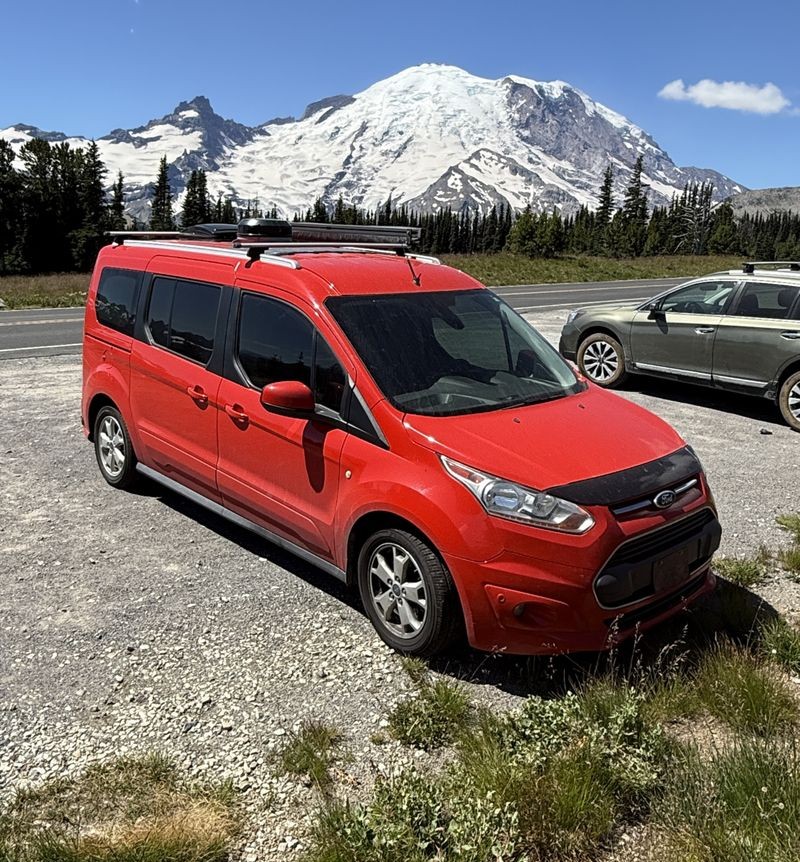
Starlink Roam and Mobile Travel
To support mobile users, SpaceX introduced Starlink Roam, designed specifically for RV owners, campervans, and those traveling regularly between locations. The service allows users to set up internet access at campgrounds, roadside stops, rest areas, or remote camping locations without requiring permanent fixed addresses.
Some campers prefer portable Starlink systems that can be moved into open areas for better satellite visibility when parked under trees. Others choose permanently mounted roof systems that remain ready whenever they stop for the night.
Both approaches have advantages depending on travel style, camping preferences, and vehicle size.
Power Consumption and Off-Grid Camping
For RV and campervan owners spending time off-grid, power consumption becomes an important consideration.
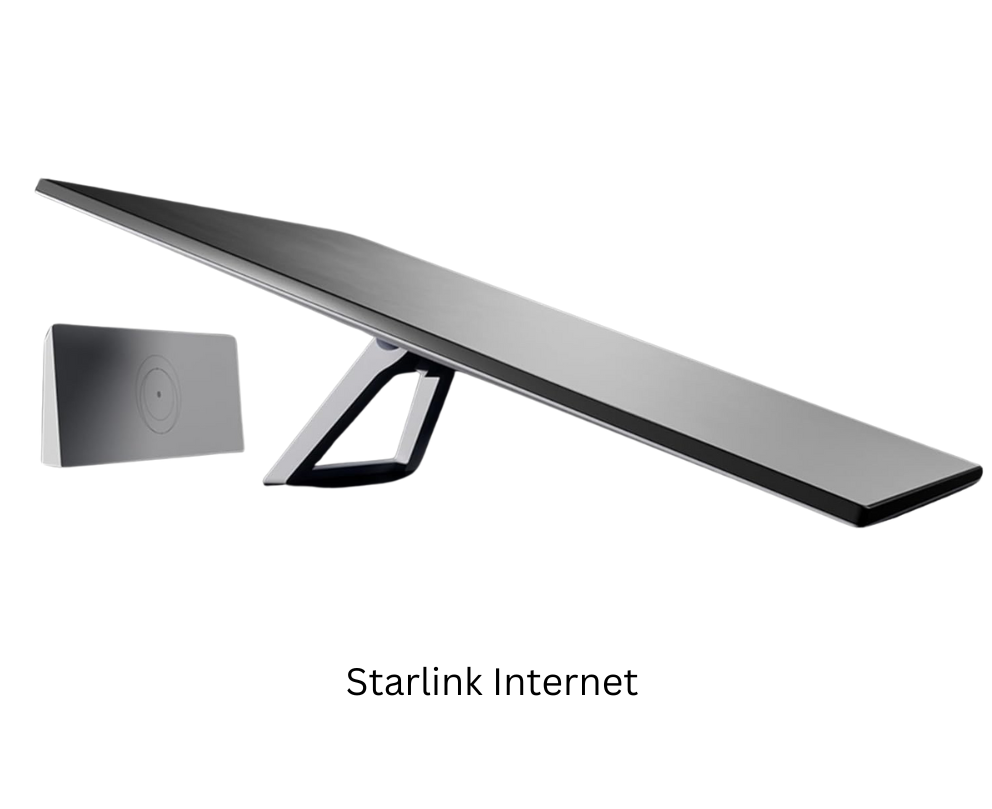
The Starlink Mini system has become especially popular among campervan owners because of its smaller size and lower power requirements. Under normal use, the Starlink Mini typically consumes approximately 25–40 watts, making it far more practical for compact campervans operating from battery and solar-supported electrical systems.
Larger Starlink systems, including Standard and Flat High-Performance models, generally consume more power depending on conditions and usage. These larger systems are more commonly found in larger RVs and high-roof campervans equipped with expanded battery capacity and larger solar charging systems.
Vehicles like the Mini-T Campervan are particularly well suited for the smaller Starlink Mini system due to their integrated solar-supported power management systems and efficient off-grid electrical design.
For many people spending extended time on the road, balancing connectivity with efficient power management has become an important part of long-distance camping and off-grid travel.
Changing How People Travel
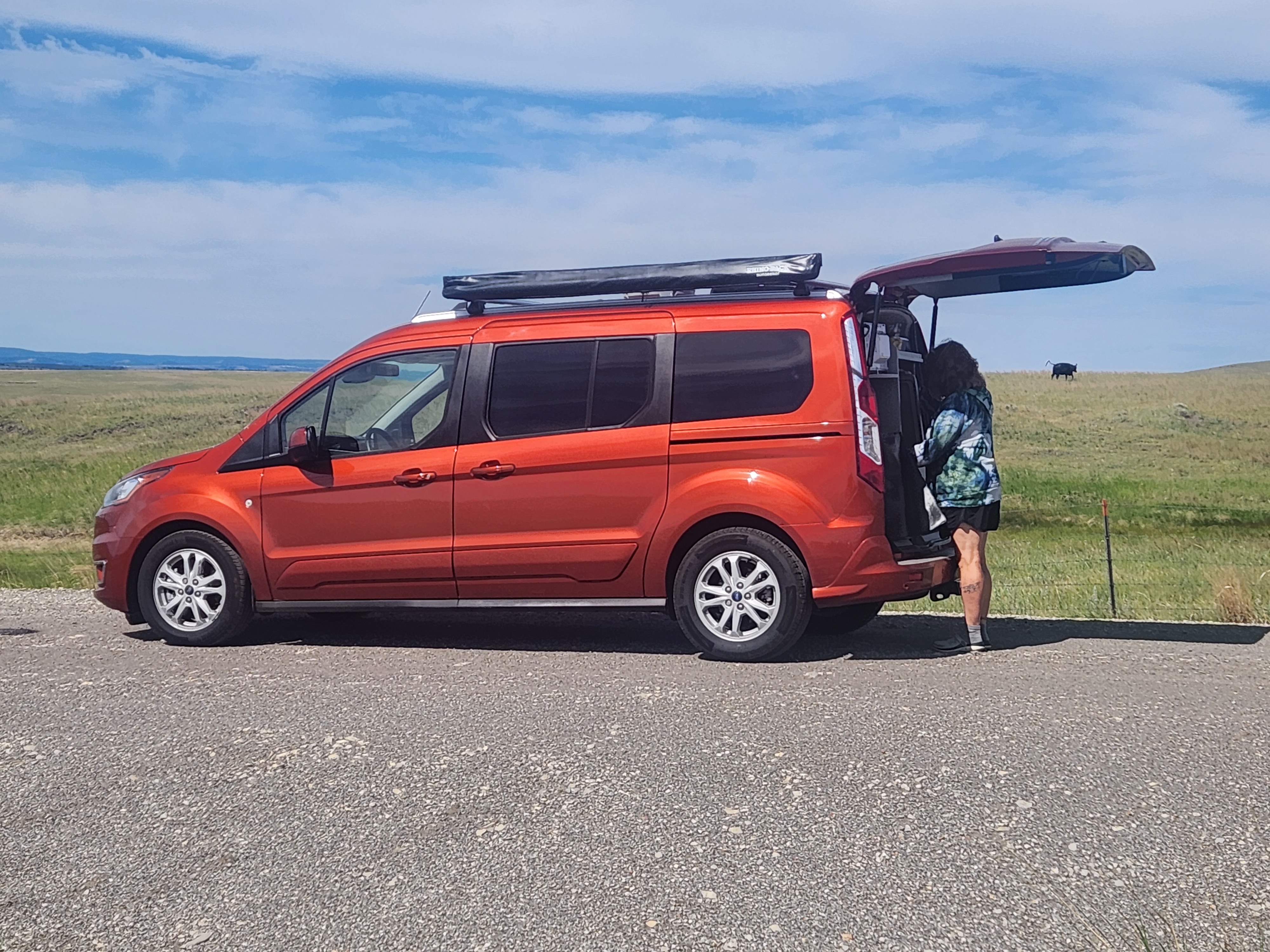
Reliable satellite internet is gradually reshaping how many people approach RV travel, remote work, and extended camping. Access to internet in remote areas allows more flexibility for remote work, longer camping stays, online business operation, route planning, weather monitoring, and staying connected while exploring less populated parts of the country.
For some, that means working remotely beside a mountain lake or staying connected from a state park campground. For others, it simply means the ability to comfortably travel farther without completely disconnecting from daily responsibilities.
Reliable connectivity also continues to reshape interest in smaller Class B campervans, compact RVs, and more manageable camping vehicles that balance mobility, efficiency, and everyday practicality.
Portable vs Roof-Mounted Starlink Systems
Both portable and permanently mounted Starlink systems have become common throughout the RV industry.
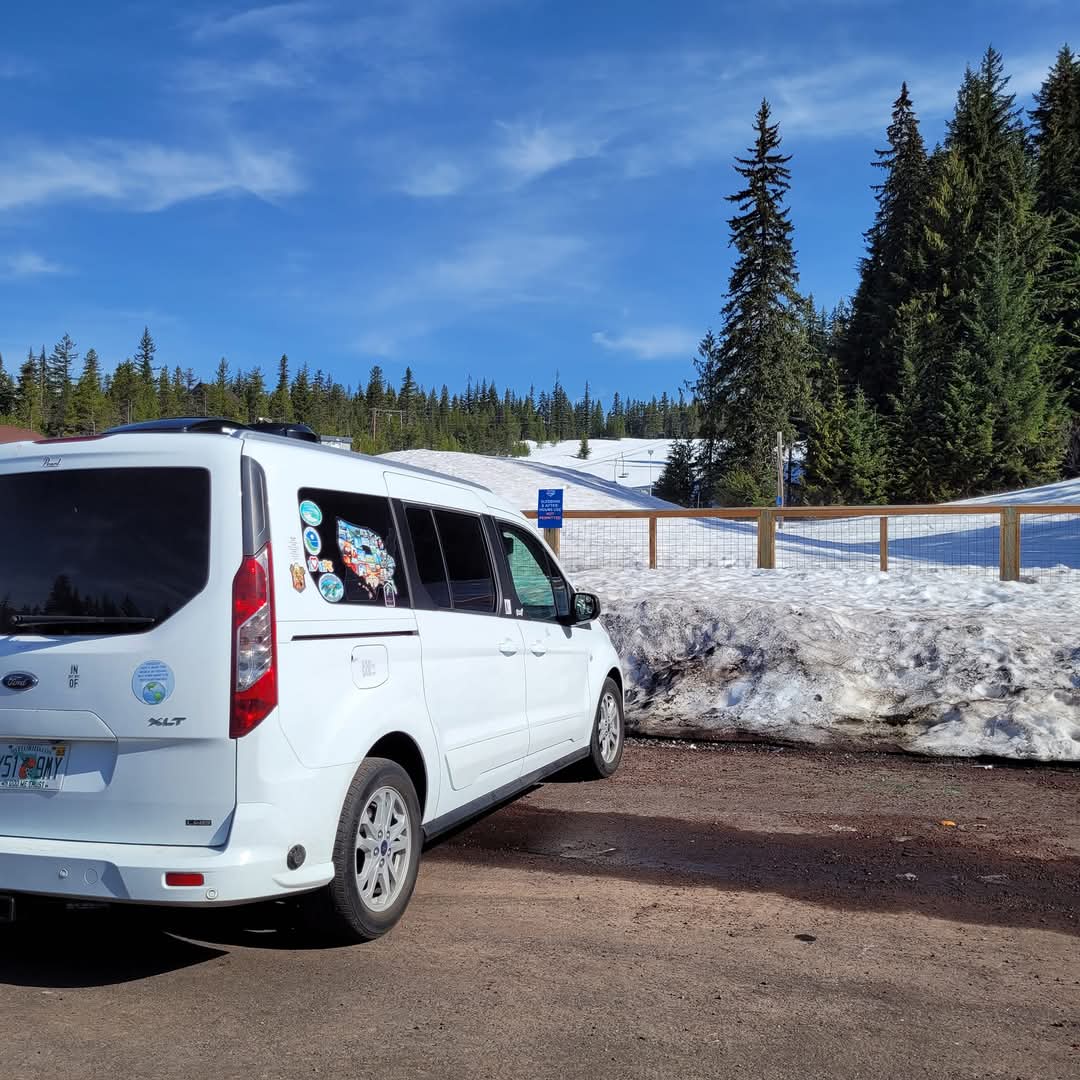
A portable system allows users to position the satellite dish in open areas away from trees or obstructions while the vehicle remains parked in shaded campsites. This flexibility can significantly improve signal reliability in heavily wooded campgrounds.
Roof-mounted systems, on the other hand, offer convenience and immediate connectivity without setup each time the vehicle is parked. Many RV owners who move frequently between destinations prefer the simplicity of integrated roof-mounted systems.
Both approaches work well depending on camping style, preferred destinations, and how often internet access is required while traveling.
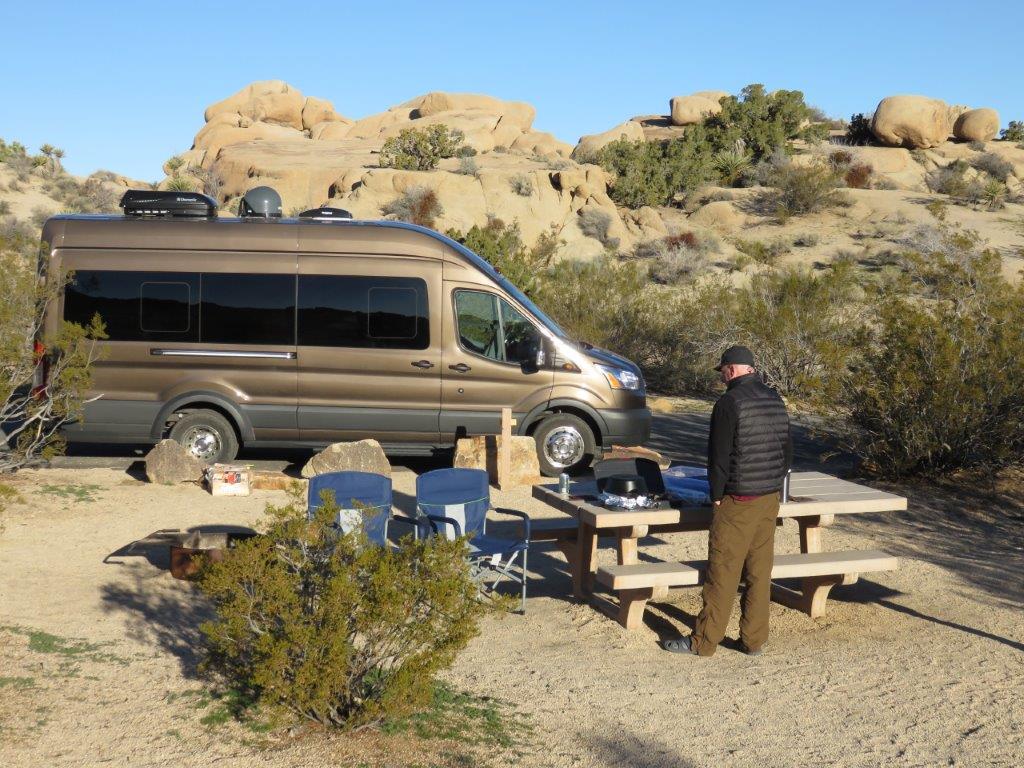
Connectivity Has Become Part of Camping Travel
Camping and RV travel continue to evolve. While many still head outdoors to unplug and slow down, reliable internet has become an increasingly practical tool for navigation, weather awareness, safety, communication, work, and trip planning.
Starlink has helped bridge a gap that previously existed for RV and campervan travelers spending time far from traditional infrastructure. Whether used occasionally for emergency communication or daily for remote work and travel planning, satellite internet is becoming a larger part of how many people experience life on the road.
For campervan owners, RV travelers, photographers, remote workers, and outdoor enthusiasts alike, reliable internet access is no longer limited to cities and cell towers. Increasingly, it travels with them.
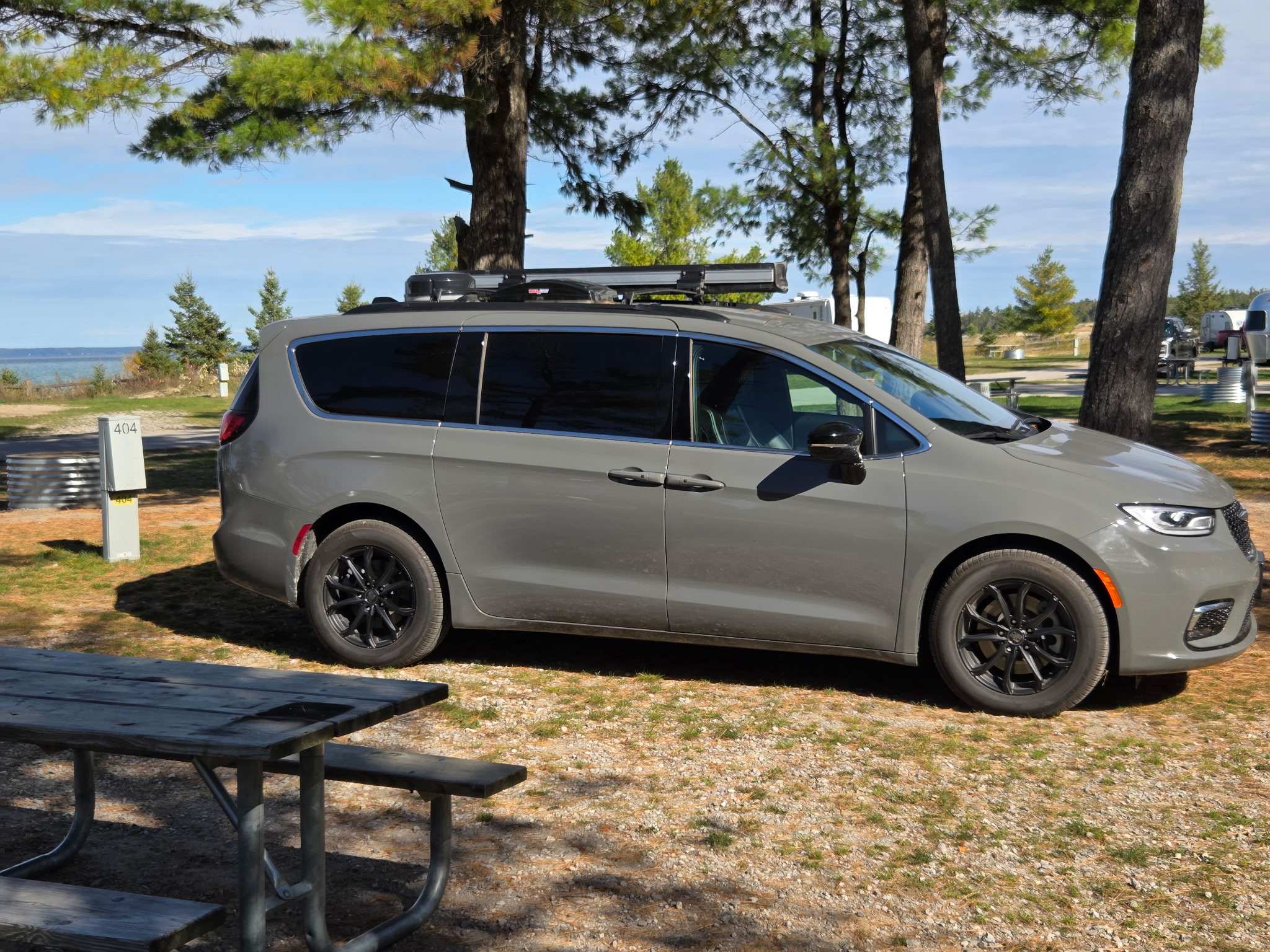
DLM-Distribution / Campervans is a licensed manufacturer and dealer located in Lake Crystal, Minnesota, serving clients around the country.
Contact Dave: 651-285-7089 or Candy: 507-382-9446 today!