
NEWS
Are Campervans Expensive? Looking Beyond the Purchase Price
When people first begin researching campervans, one of the most common questions is whether they are expensive. At first glance, many campervans can appear costly compared to standard passenger vehicles. But evaluating a campervan purely by purchase price often overlooks how these vehicles are actually used and what expenses they may replace over time.
For many owners, a campervan is not simply a recreational vehicle. It functions as transportation, travel lodging, mobile storage, and in some cases even a remote workspace — all combined into one platform.
Why Campervans Cost More Than Standard Vehicles
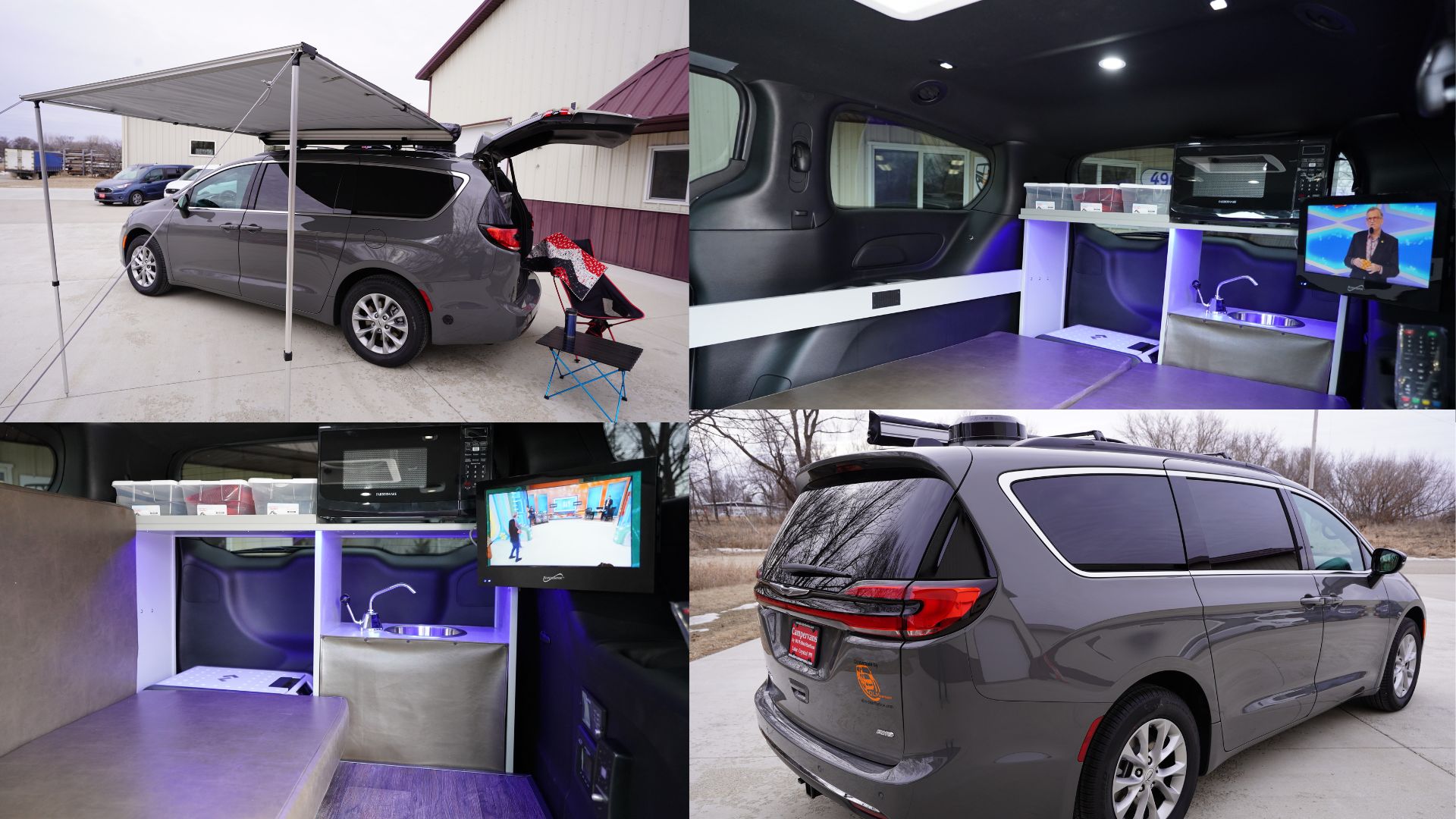
Unlike a typical car or SUV, a campervan includes integrated living and travel systems designed to function together reliably while remaining mobile.
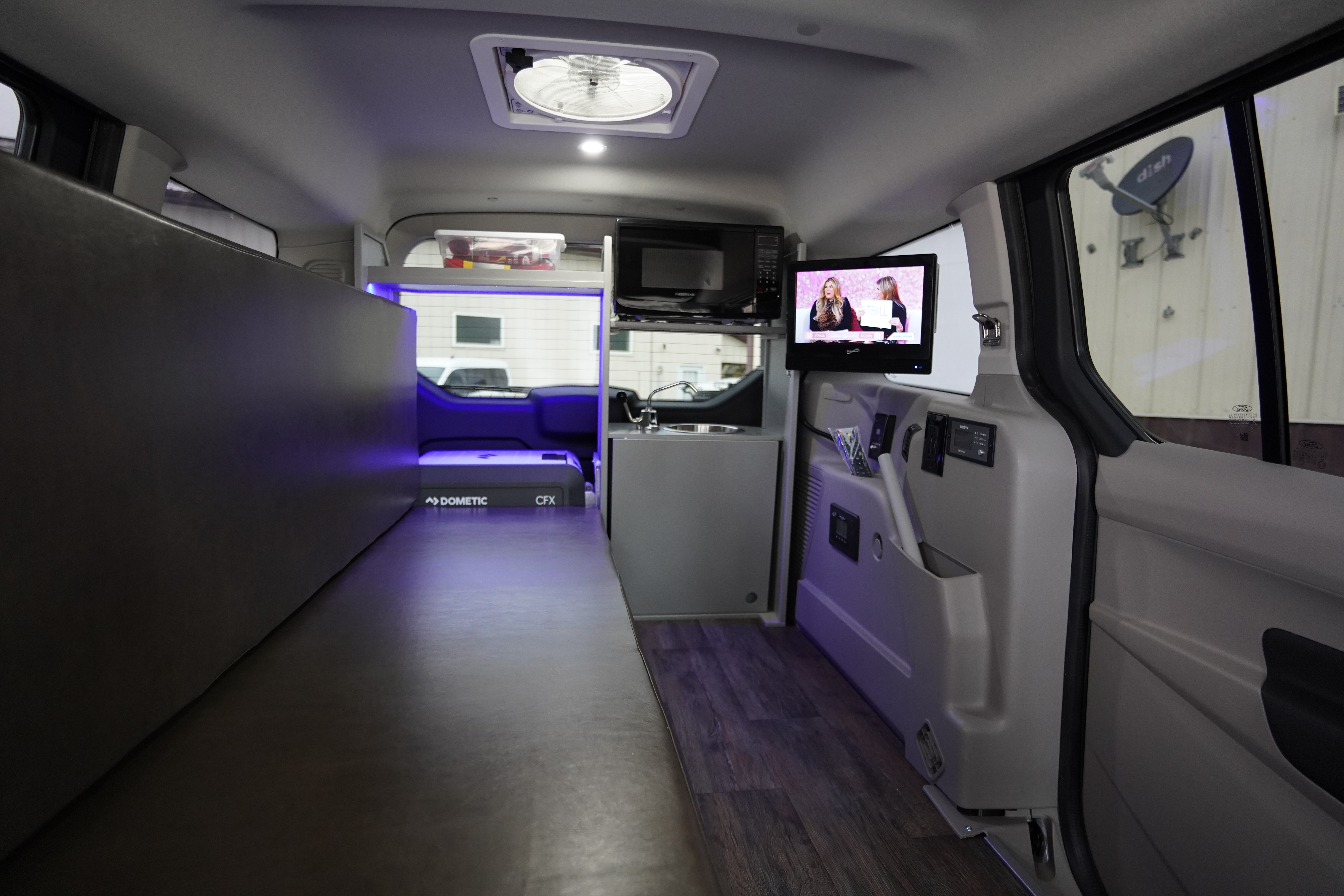
These systems may include onboard power management, refrigeration, ventilation, sleeping accommodations, lighting, shore power capability, solar charging systems, food preparation areas, insulation, and off-grid electrical capability.
Building these systems into a compact and roadworthy vehicle adds engineering complexity, manufacturing time, and specialized installation work that standard passenger vehicles do not require.
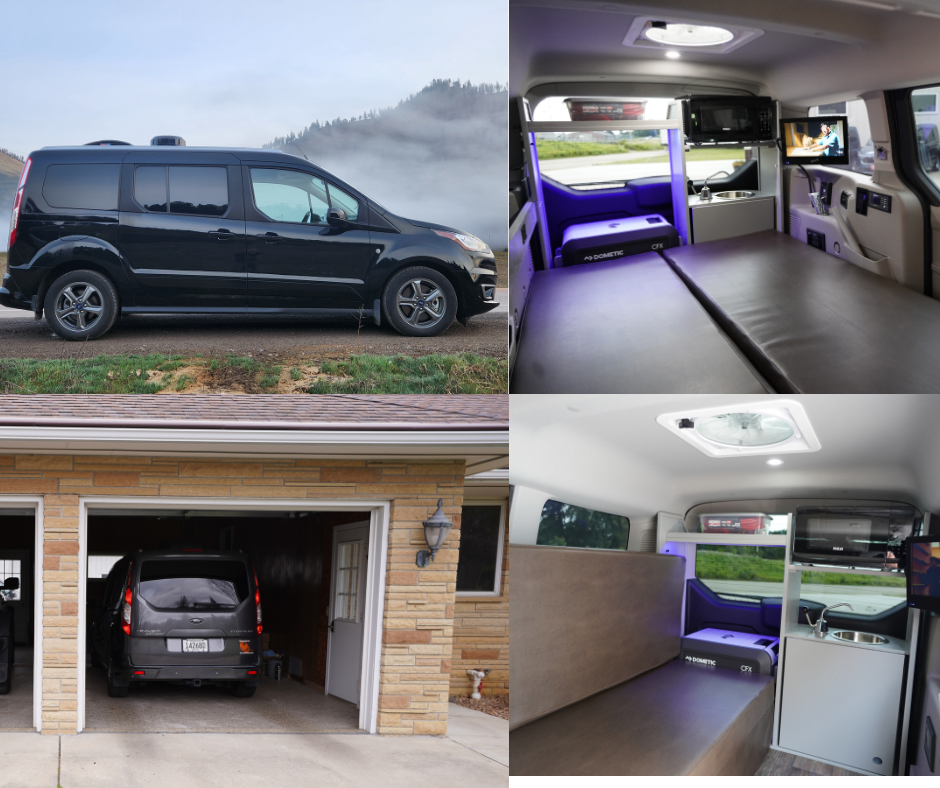
Campervans by DLM-Distribution are designed around practical multi-use flexibility, including compact layouts that allow many campervans under seven feet tall to fit more naturally into daily life and garageable campervans compatible with HOA living.
The Cost of Owning Multiple Vehicles
Whether a campervan is financially practical depends heavily on how often it is used and whether it can replace other vehicles or travel expenses.
Many larger motorhomes and oversized RVs are impractical for daily driving, which often leads owners to maintain a second vehicle strictly for normal transportation. In those situations, ownership costs increase quickly because insurance, maintenance, registration, fuel, parking, and storage expenses are spread across multiple vehicles.
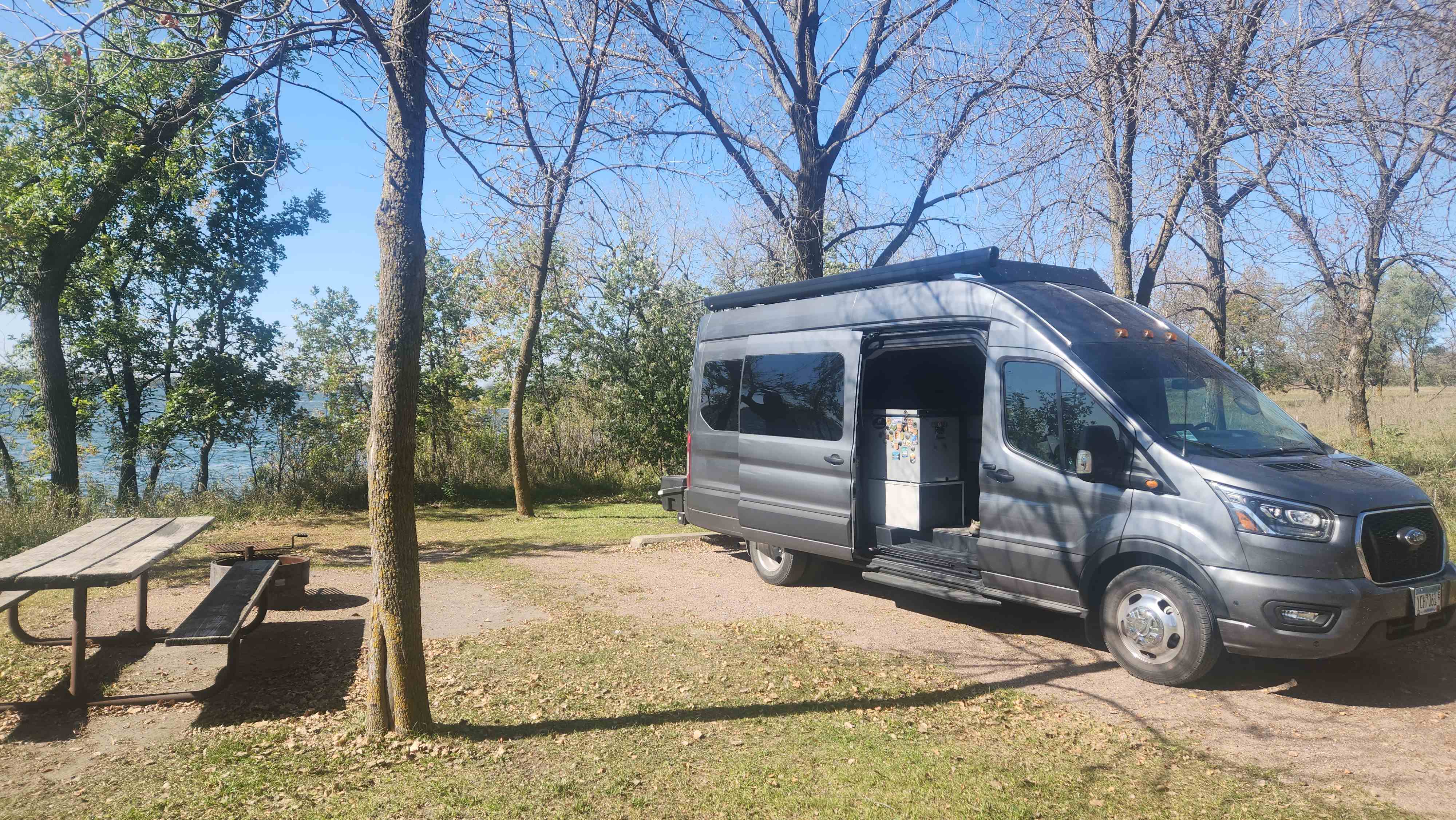
Smaller Class B campervans change that equation because they are often practical enough for both everyday driving and travel.
A compact campervan that can comfortably function as a daily vehicle allows owners to combine transportation and camping into a single platform. That versatility increases usage while reducing the need for maintaining separate vehicles for different purposes.
Travel Costs Add Up Quickly
Another factor often overlooked when evaluating campervan ownership is the long-term cost of traditional travel.
Hotels, airfare, rental cars, restaurant meals, baggage fees, and fluctuating travel prices can add up quickly, particularly for people who travel regularly.
A campervan equipped with sleeping accommodations, refrigeration, onboard power, and food storage can significantly reduce many of those recurring expenses while adding flexibility to how and where people travel.
For many owners, the value of a campervan becomes easier to understand after several years of regular use, especially when replacing repeated hotel stays and other travel-related costs.
Smaller Campervans Often Cost Less to Operate
Ownership costs extend well beyond the initial purchase price.
Fuel economy, maintenance requirements, tire replacement, storage fees, insurance, drivability, and long-term resale value all contribute to total ownership cost over time.
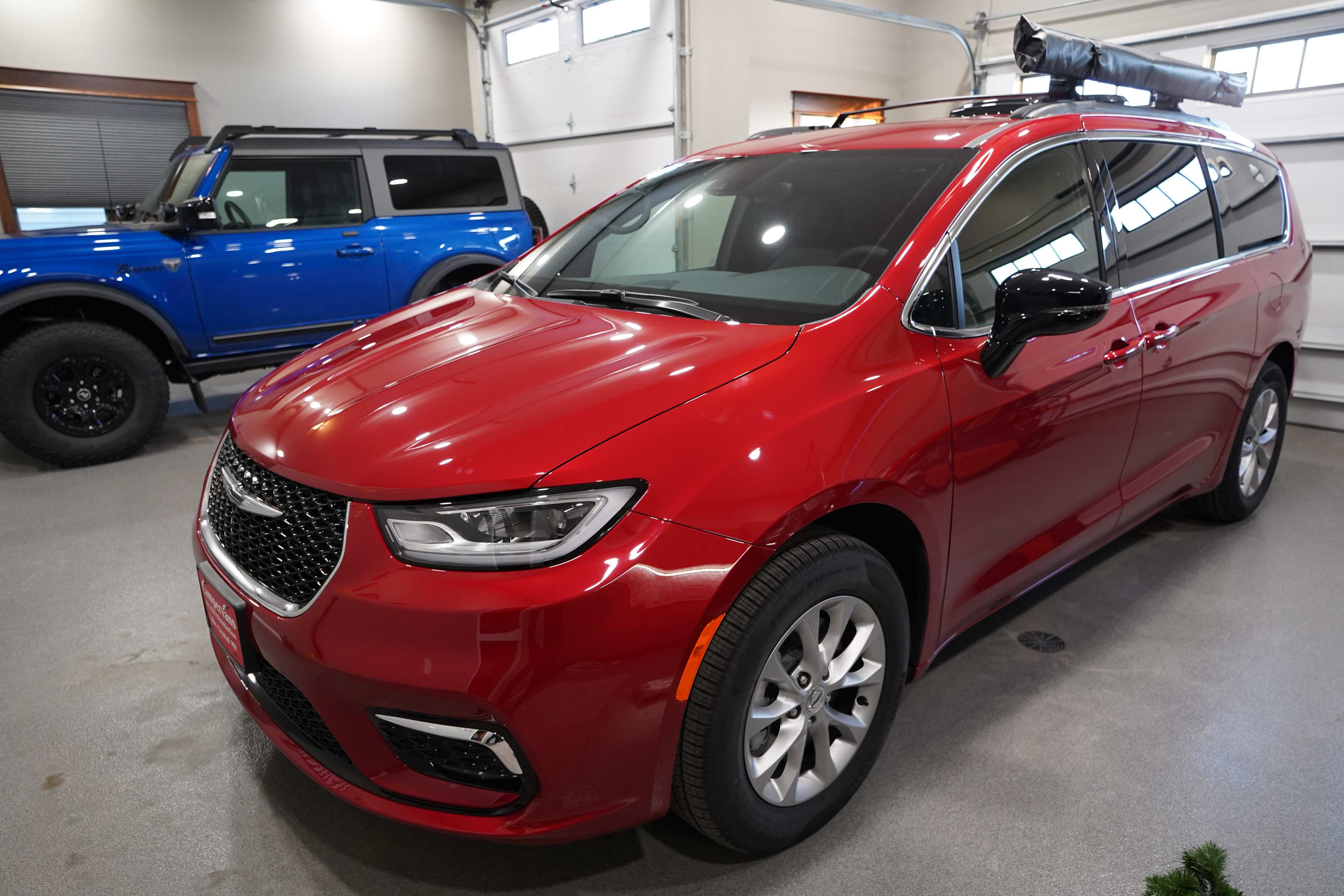
Smaller campervans generally consume less fuel than large motorhomes or heavy-duty truck and trailer combinations while also requiring less specialized maintenance.
Vehicles that fit more naturally into everyday life also tend to get used more frequently, improving the overall value owners receive from the purchase.
For many travelers, compact campervans simply create fewer barriers to taking trips.
A Different Approach to RV Ownership
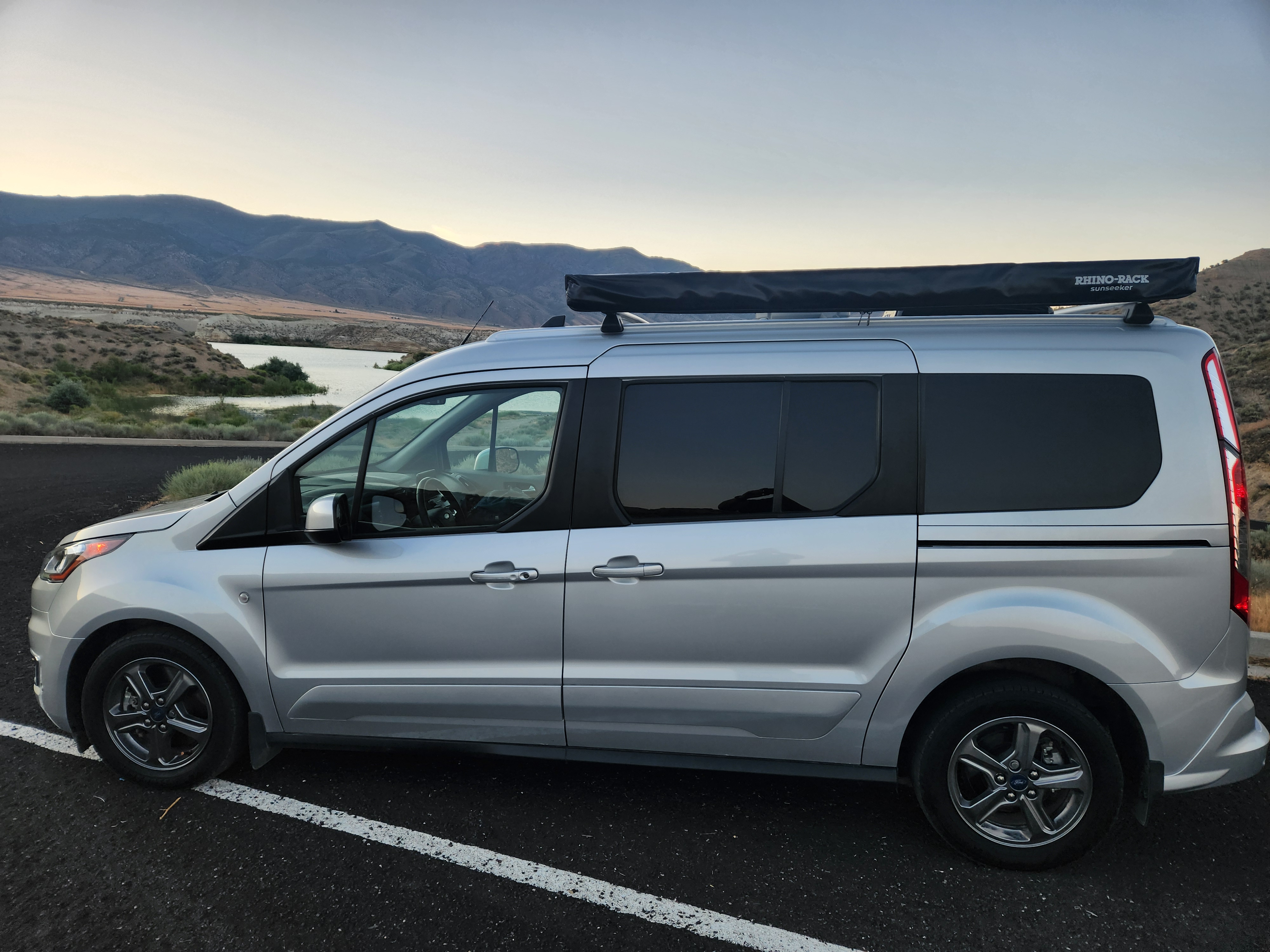
The Mini-T Campervan by DLM-Distribution reflects this more practical approach to RV ownership.
Rather than functioning only as a dedicated recreational vehicle, the Mini-T is designed around flexibility, fuel efficiency, compact size, and everyday drivability while still providing integrated camping capability.
Its ability to fit into many normal parking environments and residential garages also helps reduce some of the storage and parking challenges commonly associated with traditional RV ownership.
For many owners, that practicality becomes one of the most important long-term advantages.
So, Are Campervans Expensive?
In terms of upfront price, campervans can certainly represent a significant purchase.
But when evaluated as a combined transportation and travel solution rather than simply a recreational luxury, the economics often become easier to understand.
For people who travel regularly, value flexibility, and want a vehicle capable of serving both everyday and travel purposes, a compact campervan can provide a practical alternative to owning multiple vehicles while reducing many of the recurring costs associated with traditional travel.
In many ways, the true value of a campervan depends less on the sticker price and more on how often it helps people use it.
Happy Camping!
DLM-Distribution / Campervans is a licensed manufacturer and dealer located in Lake Crystal, Minnesota, serving clients around the country.
Contact Dave: 651-285-7089 or Candy: 507-382-9446 today!