
NEWS
The Appeal of the Built-In Shower
When people begin shopping for an RV or campervan, certain features immediately stand out. A built-in shower is usually one of them. It symbolizes independence and comfort—the idea that wherever the road leads, everything you need travels with you.
Floorplans often highlight the bathroom first. For many buyers, it feels like a feature that simply must be included.
Yet once real travel begins, many RV owners discover that the onboard shower becomes one of the least-used parts of the vehicle. Across RV types—from large Class A motorhomes to compact Class B campervans—usage patterns frequently shift after the first few trips.
The idea of having a shower is attractive. The reality of using it during travel can be quite different.
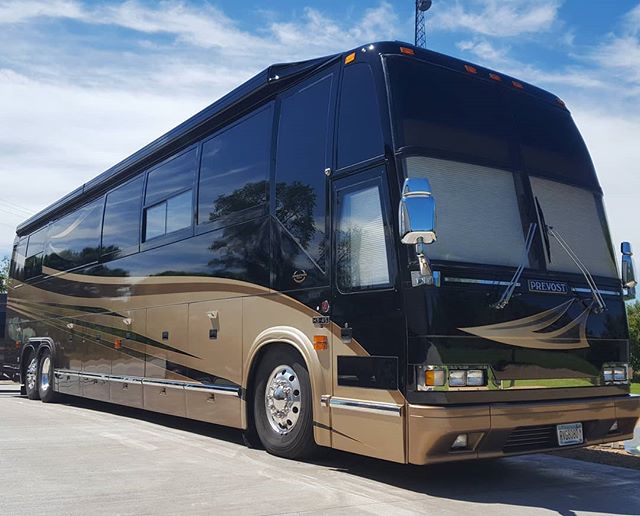
Expectation vs. Everyday Travel
When people imagine RV travel, they often picture having a complete self-contained home on wheels. But experienced RV travelers quickly learn that travel routines tend to adapt to the environment.
Campgrounds, travel centers, gyms, and other public facilities are widely available throughout North America. Many provide spacious showers with unlimited hot water and proper ventilation—something difficult to replicate inside a compact vehicle.
Because of this, even RVs equipped with bathrooms frequently rely on external facilities during extended trips. The onboard system remains available when needed, but it often becomes more of a backup option than the primary one.
Water Capacity and Resource Management
Water is one of the most carefully managed resources in any RV.
A typical RV shower uses roughly 1.8–2.5 gallons of water per minute. Even a short five- or six-minute shower can consume a large portion of a campervan’s freshwater tank while simultaneously filling the gray tank.
For travelers spending time off-grid, water becomes something that must be carefully planned. Refilling tanks, locating dump stations, and managing limited storage capacity are all part of the experience.
This is why many RVers adopt what is commonly called the “navy shower.” The water runs briefly to rinse, then shuts off while soap is applied before a quick final rinse. It works well for conserving water, but the process differs considerably from a residential shower.
The Reality of the Class B Campervan Shower
In compact RVs, especially those with a Class B campervan shower, space constraints introduce additional considerations.
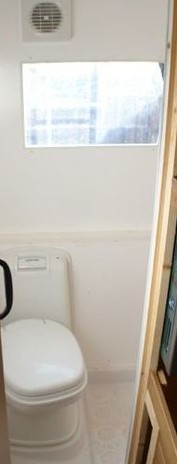
Most campervans use a wet bath design, where the shower, toilet, and sink share the same compact compartment. After showering, the entire space becomes wet and must be wiped down and ventilated to prevent moisture buildup.
Humidity management becomes part of daily maintenance, particularly in cooler climates where condensation forms easily.
For some owners, this routine is acceptable. For others, the effort involved eventually outweighs the convenience.
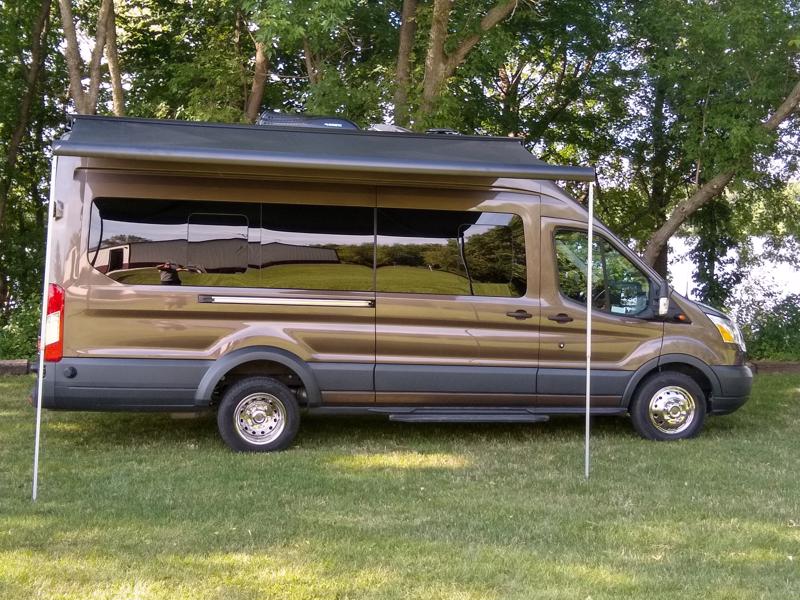
What Experienced RV Owners Often Discover
Conversations among long-time RV travelers reveal a consistent theme: travel habits evolve.
Many owners report using campground showers when available because they offer more space and unlimited hot water. Others rely on truck stop shower facilities during long drives across the country. Some travelers combine campground facilities with portable outdoor shower systems when camping remotely.
Over time, many RV owners realize that the onboard shower is simply one of several options rather than the primary solution.
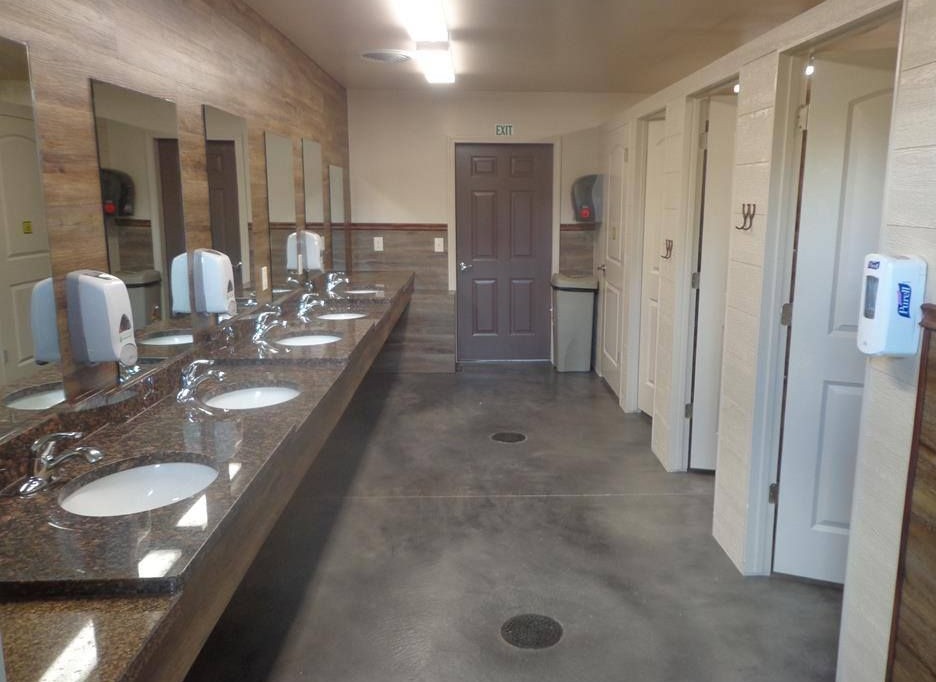
Reliable Shower Options on the Road
Shower access while traveling is far easier than many new RV buyers expect.
State parks and private campgrounds commonly include modern restroom and shower buildings. Travel centers such as Pilot, Flying J, and Love’s offer private shower suites designed for professional drivers and travelers.
Nationwide gym memberships also provide convenient shower access across thousands of locations, making them a practical solution for extended road trips.
When camping in remote areas, portable solar shower systems or outdoor shower setups can provide simple, effective solutions without dedicating permanent interior space to a bathroom.
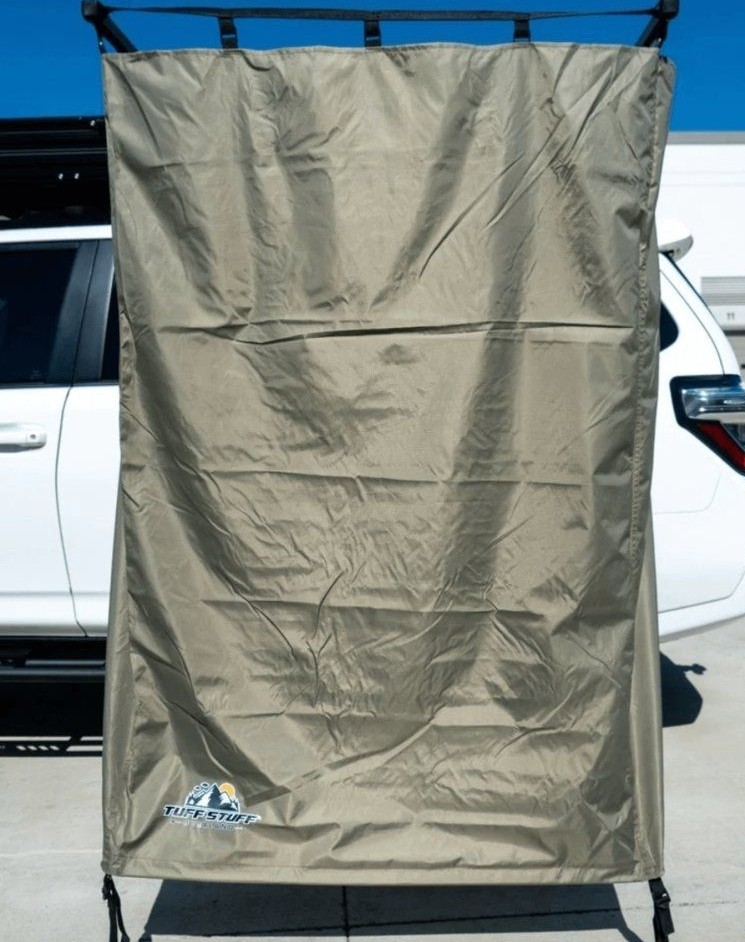
The Value of Space in a Campervan
In compact motorhomes and campervans, every square foot matters.
Adding a wet bath means dedicating interior space to a room that may only be used occasionally. That same space could otherwise contribute to storage, living comfort, electrical systems, or open floor area.
For travelers who prioritize efficient layouts and open interiors, maximizing usable space often proves more valuable than including every traditional RV feature.
A Balanced Perspective
A built-in shower certainly has its place. For certain travel styles—extended off-grid stays or cold-weather travel—it can provide valuable flexibility.
However, many RV owners eventually find that their travel habits naturally gravitate toward external shower facilities and alternative solutions.
The key is understanding how you actually intend to travel rather than assuming every feature is necessary.
Final Thought
RV travel is about freedom, simplicity, and adapting to the road. Sometimes the most effective designs focus on what travelers truly use day after day rather than including every possible amenity.
Understanding the difference between expectations and real-world travel habits can help buyers choose the RV layout that will serve them best over the long term.
— DLM-Distribution

DLM-Distribution / Campervans is a licensed manufacturer and dealer located in Lake Crystal, Minnesota, serving clients around the country.
Contact Dave: 651-285-7089 or Candy: 507-382-9446 today!