
When researching campervans and RV electrical systems, battery type is often one of the first topics buyers encounter. Lithium batteries are frequently promoted as an upgrade, while Absorbent Glass Mat (AGM) batteries are sometimes viewed as traditional technology. In reality, the right choice depends on how the vehicle is designed and how it will be used.
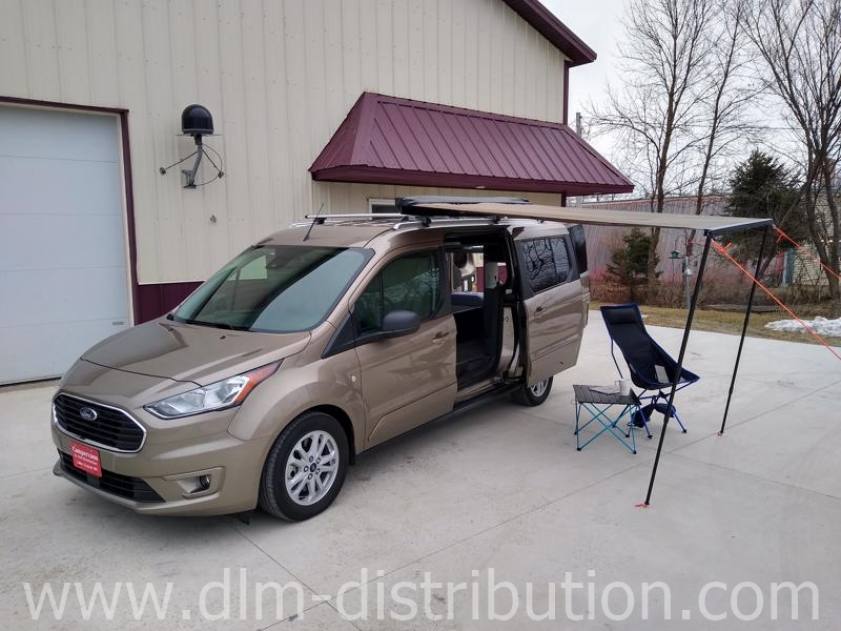
At DLM-Distribution in Lake Crystal, Minnesota, the Mini-T Campervan is engineered around a fully integrated off-grid electrical system that uses AGM batteries. This decision is based on long-term reliability, charging compatibility, safety, and practical ownership considerations—not marketing trends.
System Compatibility and Real-World Charging
A campervan electrical system is more than just the battery. It includes solar charging, alternator charging while driving, shore power input, an inverter, and protective circuitry. All components must work together efficiently.
AGM batteries are well matched to multi-source charging systems commonly used in compact Class B campervans. They accept charge effectively from solar panels, vehicle alternators, and shore power without requiring complex voltage management or specialized charging equipment. This compatibility allows consistent performance whether parked at a campsite, traveling between destinations, or stored at home.
Lithium systems often require additional components or charging modifications to function optimally, particularly when tied into factory alternator systems. In smaller campervans designed for simplicity and long-term reliability, system balance is often more important than maximum theoretical output.
Temperature Performance and Stability
Campervans in the Upper Midwest and across the United States experience wide temperature swings. Freezing winters, hot summers, and shoulder-season travel all place demands on electrical systems.
AGM batteries are known for stable performance across a broad temperature range and do not require complex temperature management systems. Lithium batteries can be sensitive to extreme cold, often limiting charging below certain temperatures without added protection or heating systems.
For travelers who store their campervan at home, park in an unheated garage, or camp in cooler climates, predictable cold-weather performance is a practical advantage.

Safety Considerations
Both AGM and lithium batteries are widely used in the RV industry. AGM technology has been used in automotive and marine applications for decades and is valued for its sealed construction, low maintenance requirements, and stable chemistry.
Lithium batteries are also common in many industries, but they require battery management systems to regulate charging and discharging. In compact campervans where simplicity and reliability are priorities, fewer layers of complexity can reduce long-term maintenance concerns.
The focus in a properly engineered campervan is not on chasing a specific battery label but on designing a balanced, safe electrical system.
Cost and Long-Term Ownership
Battery choice also affects overall ownership cost. Lithium batteries typically carry a significantly higher upfront price. In larger motorhomes with high energy demands, that cost may align with extended energy storage goals.
In a compact campervan like the Mini-T, the integrated AGM system already supports essential functions such as refrigeration, lighting, outlets, and microwave use without compromise. When the existing system meets practical travel needs, higher-cost components may not provide meaningful real-world benefit.
Keeping electrical systems cost-effective while maintaining reliability helps control overall campervan ownership expenses.
Industry Perspective
AGM batteries remain widely used across many RV classes, including premium and luxury motorhomes. Their continued presence in higher-end units reflects long-term trust in their stability, serviceability, and proven performance.
Battery technology continues to evolve, but long-standing solutions often remain in use because they work consistently in varied conditions.
A Practical Design Philosophy
In the Mini-T Campervan, the electrical system is designed to support quiet, off-grid capability without requiring a generator or constant shore power. House batteries charge via solar, alternator while driving, or shore power. The emphasis is on integration and reliability rather than maximum output specifications.
For many travelers, the priority is dependable power for essential systems, predictable performance in different climates, and straightforward ownership.
Informed Decisions Over Trends
Choosing between AGM and lithium should be based on how a campervan is engineered and how it will be used—not on headlines or assumptions about newer technology. Both battery types have applications where they make sense.
In compact, solar-supported Class B campervans designed for everyday drivability and practical travel, AGM batteries continue to provide a stable, efficient, and cost-conscious solution.
Understanding the system as a whole helps buyers make confident decisions grounded in function rather than trend.
