
NEWS
When people shop for an RV, the focus is usually on purchase price, floorplans, or interior features. What often gets overlooked is a much more important number: cost per mile. Over time, this figure tells a far more accurate story about what RV ownership actually costs.
Cost per mile looks beyond fuel economy. It considers how often a vehicle is used and how much it costs to own, store, maintain, insure, and operate. For many RV owners, this number reveals an uncomfortable truth: the bigger the RV, the more expensive each mile of travel becomes.
Why Large RVs Often Cost More Than Expected
Large Class A and Class C motorhomes are impressive on paper, but their real-world usage is often limited. Many are driven only a few thousand miles per year, spending most of their time parked in paid storage. During that time, depreciation continues, insurance remains active, and maintenance doesn’t stop.
When a high purchase price is divided by limited use, cost per mile climbs quickly. Storage fees, higher fuel consumption, and specialized service needs all add to that total. Even owners who love their RVs are often surprised by how expensive each mile truly becomes.
What “Cost Per Mile” Actually Includes
Cost per mile is not just about fuel. It reflects the total cost of ownership divided by actual use over time. That includes depreciation, insurance, registration, maintenance, storage, and operating expenses. A vehicle that sits unused for long stretches continues to accumulate cost without providing value.
By contrast, a vehicle that is driven regularly spreads those costs across many more miles, lowering the true cost of ownership.
Why Smaller RVs Change the Equation
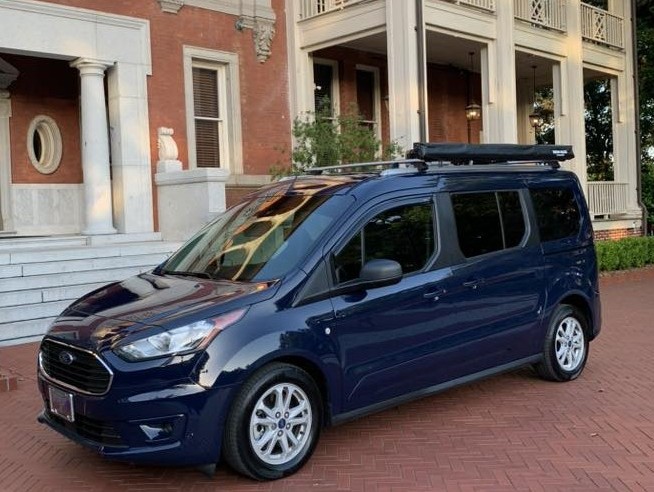
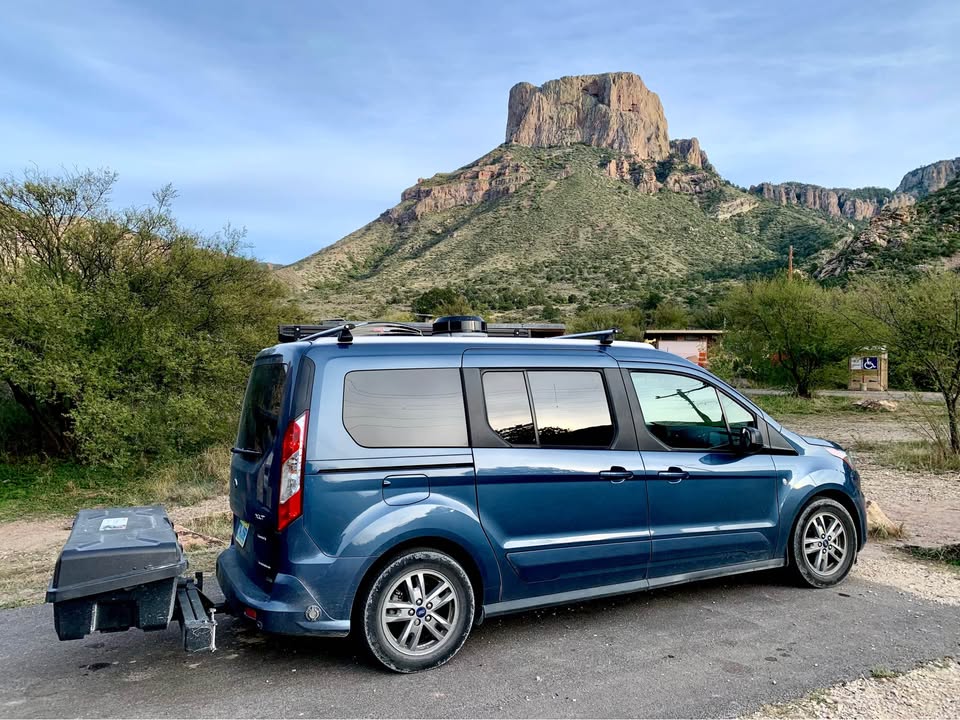
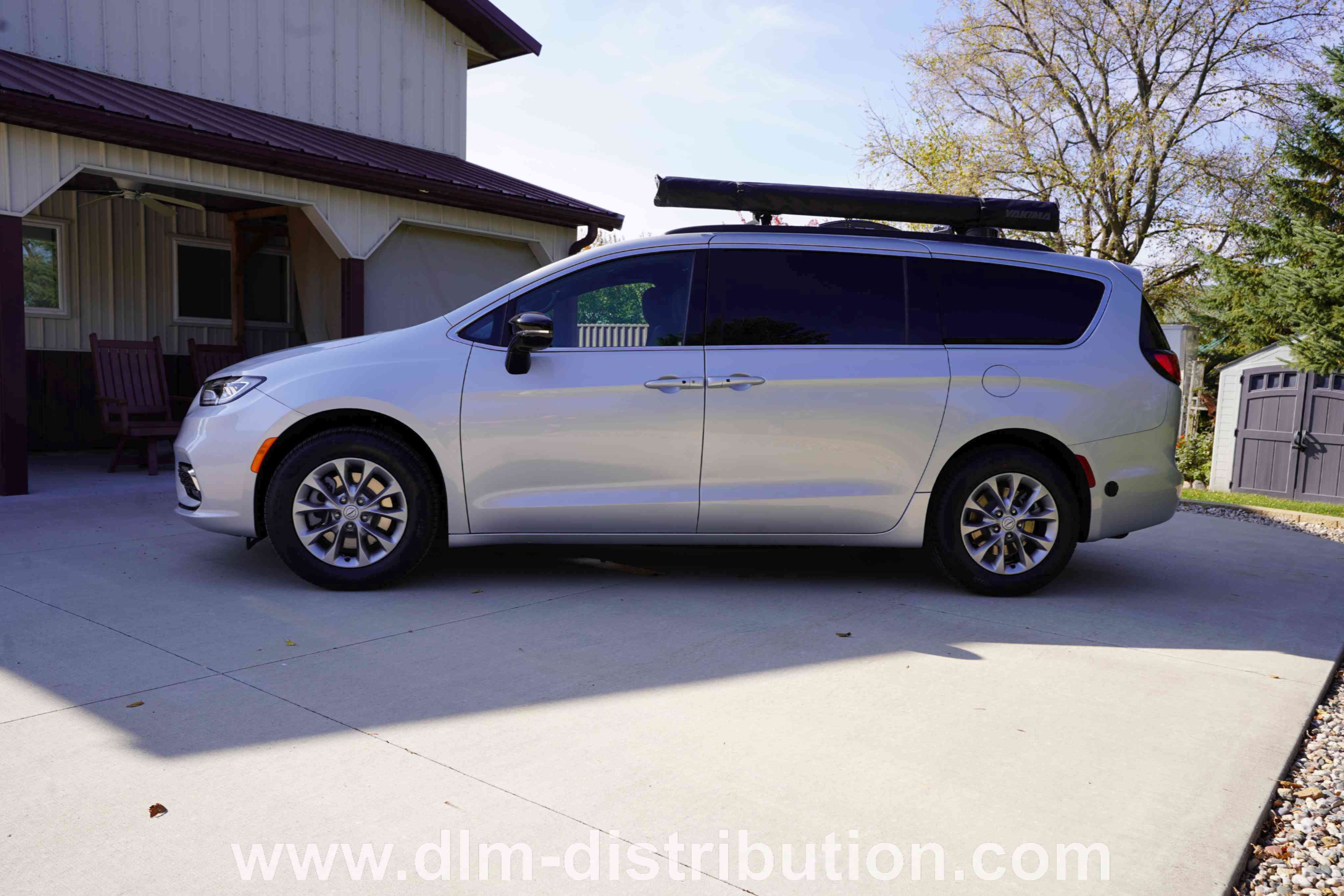
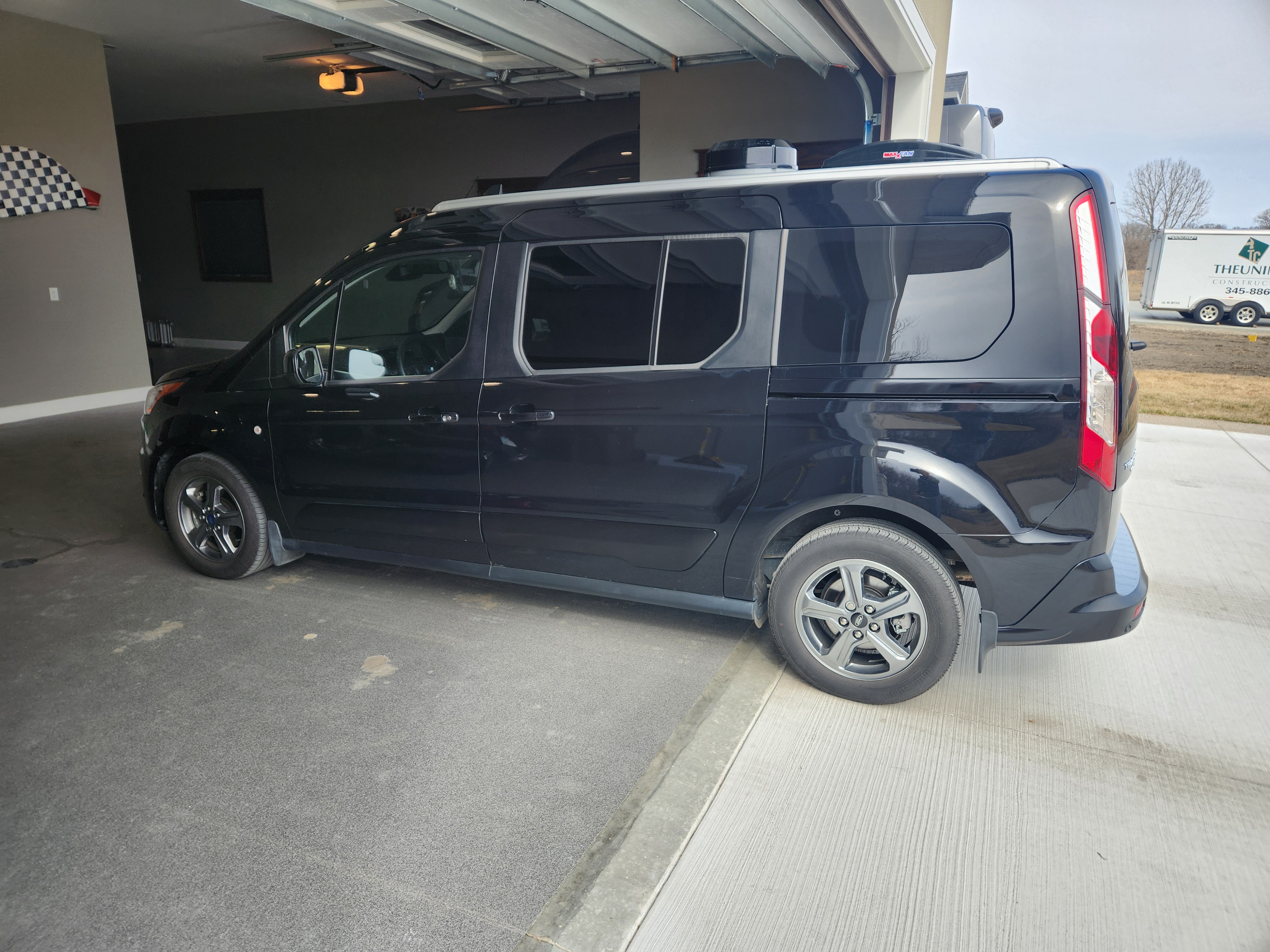
Smaller RVs and compact campervans tend to reverse many of the cost drivers associated with traditional motorhomes. They are easier to store, less expensive to insure, and far more fuel-efficient. Most importantly, they are used more often.
A vehicle that can be parked at home and driven like a normal car becomes part of daily life rather than a special-occasion purchase. Errands, short trips, weekend travel, and longer road journeys all contribute miles that lower cost per mile over time.
Fuel Efficiency That Impacts Real Travel
Fuel is one of the most visible costs in RV ownership. Large motorhomes often consume fuel at a rate that discourages spontaneous travel. Short trips feel expensive, and longer trips require careful planning.
Compact campervans operate much closer to passenger-vehicle fuel efficiency. That difference alone can significantly reduce travel costs and make it easier to say yes to more trips. Over time, fuel savings play a major role in lowering overall ownership costs.
Storage and Depreciation: The Quiet Expenses
Storage is one of the most overlooked RV expenses. Monthly storage fees add up quickly, especially when the vehicle is rarely used. At the same time, depreciation continues regardless of mileage, reducing value without providing experience.
A garageable RV eliminates this problem entirely. Storing a vehicle at home protects it from the elements, reduces long-term wear, and removes an ongoing expense that contributes nothing to enjoyment.
Using the RV More Lowers the Cost
The most effective way to reduce cost per mile is simple: use the RV more often. Vehicles that are easy to access, easy to drive, and easy to store naturally get used more. Each mile driven spreads ownership costs further, making the experience more affordable over time.
This is where compact, daily-drivable RVs quietly outperform their larger counterparts. They invite use instead of requiring planning.
Practical Comfort Without Excess
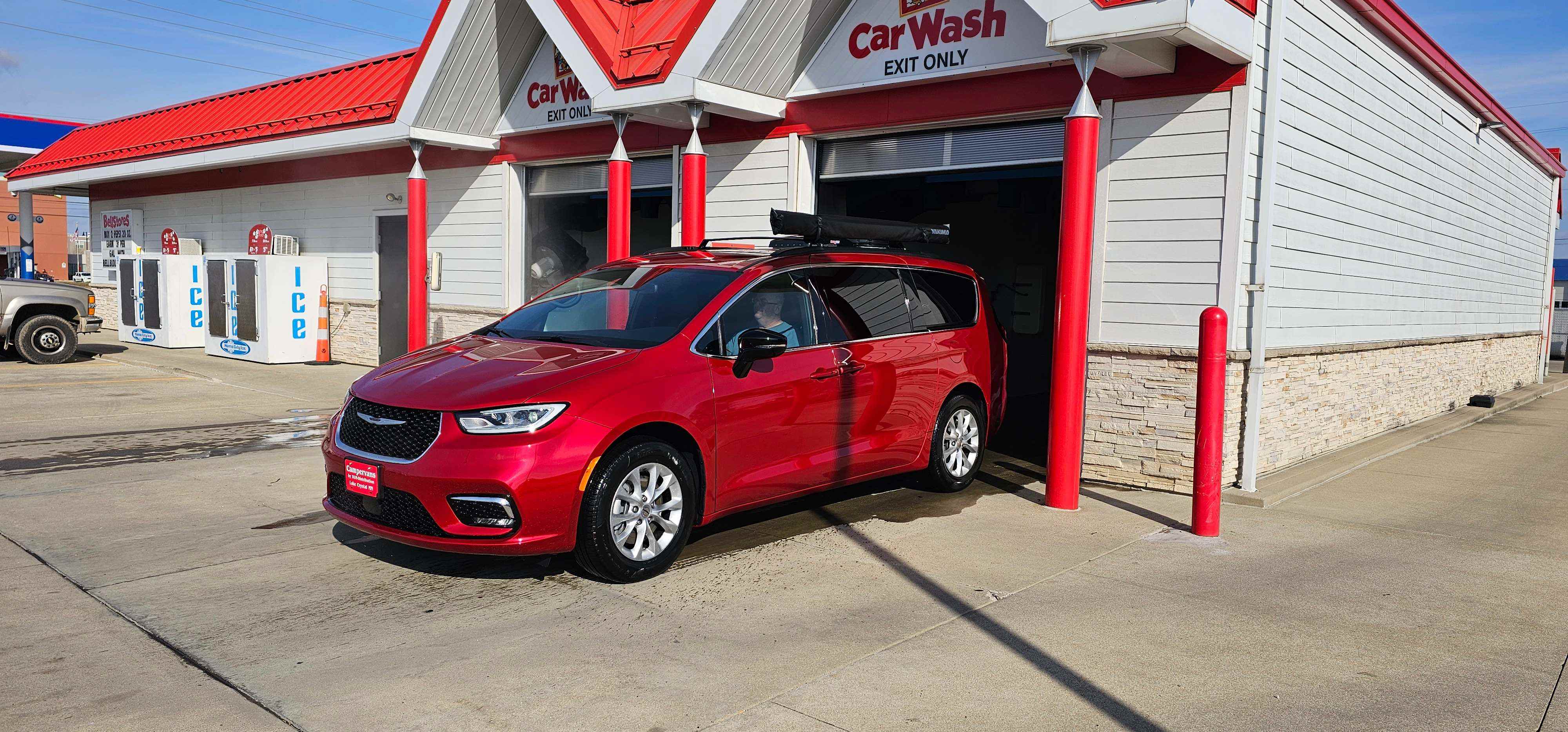
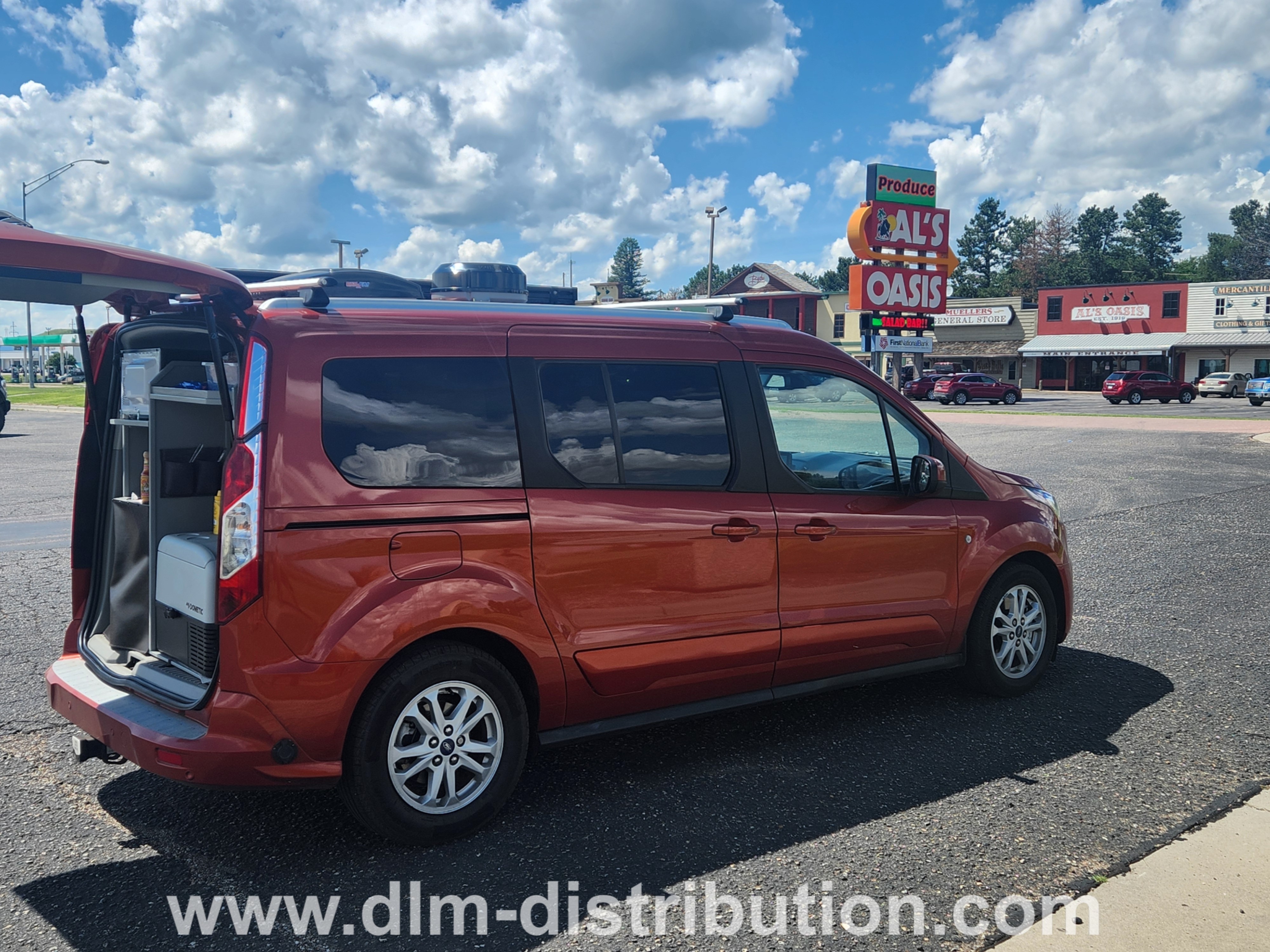
Smaller RVs donVns aren’t about sacrificing comfort; they’re about prioritizing what actually matters. A well-designed compact campervan supports sleeping, simple meal preparation, and off-grid capability without excess systems or unused space.
This approach keeps costs down while still delivering a comfortable travel experience. It also reduces maintenance complexity and long-term repair risk.
Why Cost Per Mile Matters More Than Purchase Price
An RV that looks affordable at purchase can become expensive if it’s rarely used. Conversely, a vehicle that is used frequently often delivers more value over time, even if the upfront cost is higher.
When ownership is measured by cost per mile rather than price alone, smaller, more usable RVs tend to stand out. They align better with how people actually travel and live.
A Smarter Way to Think About RV Ownership
RV ownership doesn’t have to mean high costs, limited use, or long stretches of storage. By focusing on usability, efficiency, and everyday access, it’s possible to enjoy travel while keeping ownership costs under control.
For many travelers, the real value of an RV isn’t measured in size or luxury, but in how often it gets used—and how easily it fits into everyday life.
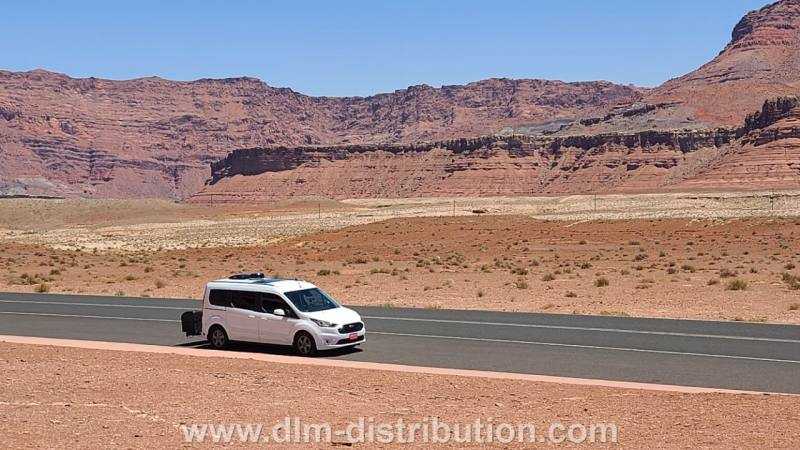
DLM-Distribution / Campervans is a licensed manufacturer and dealer located in Lake Crystal, Minnesota, serving clients around the country.
Contact Dave: 651-285-7089 or Candy: 507-382-9446 today!