
NEWS
Homeowners Associations (HOAs) play a major role in how many residential communities are managed across the United States, yet they are often misunderstood. From maintaining shared spaces to setting neighborhood standards, HOAs influence property values, community appearance, and day-to-day living in ways many homeowners don’t fully realize. This article explains what an HOA is, how it works, and why many buyers see value in HOA-governed communities, while recognizing that rules and authority vary by state.

What an HOA Is and How It Works
A Homeowners Association is a private organization established to manage and govern a residential community. HOAs are commonly found in planned neighborhoods, townhome developments, and condominium communities. They are typically created by a developer and later transitioned to homeowner control once the community is established.
When a homeowner purchases a property within an HOA, membership in the association is automatic. Owners agree to follow the community’s governing documents, which usually include covenants, conditions, and restrictions, bylaws, and written rules. These documents define how shared spaces are maintained, how the community is funded, and what standards apply to property appearance and use.
HOAs are overseen by a board of directors made up of volunteer homeowners elected by the community. The board manages budgets, oversees maintenance of common areas, enforces community rules, and plans for long-term needs such as repairs and capital improvements.
Why Many Homeowners See Value in HOA Communities
One of the primary benefits of an HOA is consistency. Associations help ensure that homes and shared spaces are maintained to agreed-upon standards, contributing to a clean and cohesive neighborhood appearance. This consistency can help protect long-term property values and prevent issues that may arise when maintenance is neglected or handled unevenly.
HOAs also manage shared amenities and infrastructure. Landscaping, snow removal, walking paths, clubhouses, pools, and other common areas are typically maintained by the association rather than individual homeowners. This shared approach can simplify homeownership and reduce the need for residents to coordinate or fund large maintenance projects on their own.
For many homeowners, HOAs provide structure and predictability. Annual budgets, reserve planning, and defined processes for addressing concerns create an organized system that supports the community as a whole.

Clearing Up Common HOA Misconceptions
HOAs are sometimes perceived as overly restrictive, but most associations focus on exterior appearance and shared spaces rather than personal lifestyle choices. The rules enforced by an HOA are generally ones that homeowners agree to when purchasing their property, and they are intended to balance individual ownership with collective standards.
Another common misconception is that HOA fees provide little return. In practice, dues are used to fund services and maintenance that would otherwise fall directly on individual homeowners. Over time, these shared costs can be more predictable and manageable than handling repairs or upkeep independently.
Many concerns about HOAs can also be reduced through participation. Homeowners who attend meetings, review budgets, or serve on boards often gain a clearer understanding of how decisions are made and how the association operates.
Vehicle and RV Storage in HOA Communities
Vehicle storage, including recreational vehicles such as RVs, campers, boats, and trailers, is an area where many HOAs establish specific rules. These policies are typically tied to maintaining neighborhood appearance, managing limited space, and ensuring safe and accessible streets.
In many communities, large vehicles are not permitted to be stored outdoors on a long-term basis. Oversized vehicles can visually dominate residential areas and may interfere with parking flow or sightlines. As a result, HOAs often require recreational vehicles to be stored in garages, designated storage areas, or screened locations that keep them out of public view.
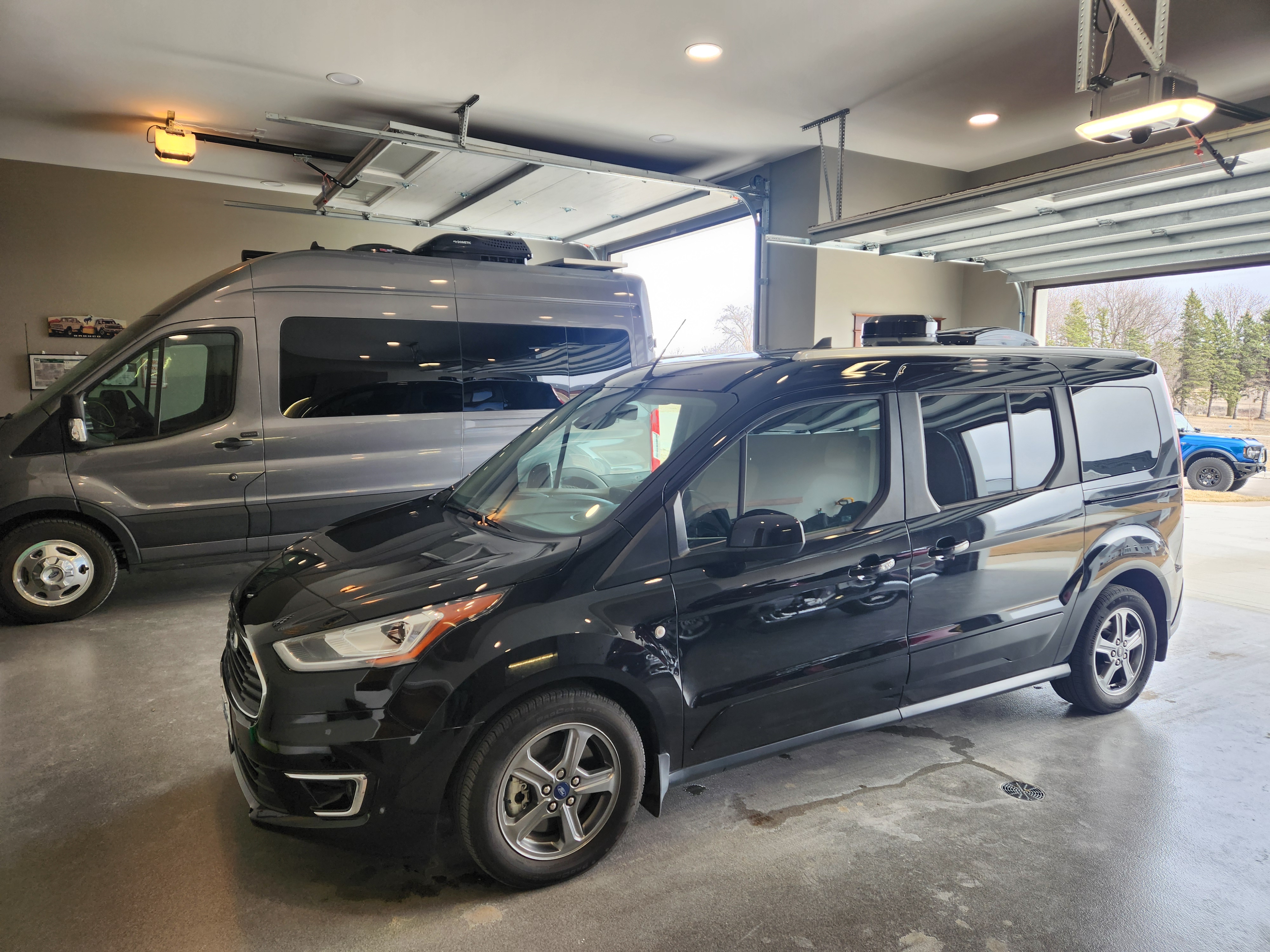
These types of rules are common across the country and reflect the broader goal of preserving neighborhood aesthetics rather than restricting recreational use.
How State Laws Influence HOA Authority
Although HOAs operate at the community level, their authority is shaped by state law. Each state has its own legal framework that governs how associations are formed, managed, and regulated. These laws establish homeowner rights, board responsibilities, and procedures for enforcement and dispute resolution.
In Minnesota, for example, HOAs are governed under the Minnesota Common Interest Ownership Act (MCIOA), which provides statewide standards for common-interest communities while allowing individual associations to adopt rules specific to their neighborhoods. Other states follow different statutory models, which is why HOA rules and enforcement can vary significantly from one location to another.
Because of these differences, it is important for buyers and homeowners to review both their association’s governing documents and applicable state laws.
Is HOA Living the Right Fit?
HOA communities appeal to homeowners who value organized maintenance, shared amenities, and consistent neighborhood standards. They can be especially attractive to those who prefer a predictable living environment or who travel frequently and appreciate having exterior maintenance handled collectively.
As with any housing decision, understanding the structure, rules, and expectations of an HOA is essential. Reviewing governing documents and asking questions before purchasing can help ensure the community aligns with a homeowner’s lifestyle and priorities.
A Practical Perspective on HOAs
Homeowners Associations are not one-size-fits-all, but they play an important role in residential living across the United States. When well-managed, HOAs help preserve neighborhood appearance, support property values, and provide a structured framework for shared ownership and community life. With clear expectations and informed homeowners, HOA communities can offer stability, organization, and long-term value.
DLM-Distribution / Campervans is a licensed manufacturer and dealer located in Lake Crystal, Minnesota, serving clients around the country.
Contact Dave: 651-285-7089 or Candy: 507-382-9446 today!