
NEWS
Understanding Homeowners Association Living and How HOAs Work
HOA living describes homeowners who choose to live in a Homeowners Association–managed community, where shared standards, amenities, and long-term planning work together to protect property values and enhance everyday living.
Why DLM-Distribution Is Sharing This Information
As a campervan and RV manufacturer, DLM-Distribution regularly hears customers say, “I live in an HOA.” Just as often, we hear a different question: “What exactly is an HOA?” Because so many of our customers live in HOA communities—and because parking, storage, and vehicle-related guidelines often intersect with HOA rules—we believe it is helpful to explain HOA living clearly and realistically. Understanding how HOAs work allows homeowners to make informed decisions and reduces confusion around how these communities function.
How an HOA Works
An HOA is typically governed by a board made up of homeowners who live within the community. These board members are resident owners, usually volunteers, elected by fellow homeowners. This local, community-led resident owners board is responsible for setting policies, managing finances, enforcing agreed-upon rules, and planning for the long-term health of the neighborhood.
Many HOAs choose to work with a professional management company to assist with limited administrative functions such as collecting dues, basic accounting, and select compliance tasks. In these situations, the management company serves as a support resource rather than the decision-maker.
In many of the most successful HOA communities, core responsibilities such as maintenance oversight, communication, and policy direction remain with a local, community-led resident owners board. This structure ensures that decisions are made by people who live in the neighborhood, understand its character, and have a direct stake in its long-term success.
While third-party management companies can provide efficiency and administrative structure, they are still businesses with profit-driven models and limited connection to the day-to-day life of a neighborhood. As a result, they may not always reflect the values or priorities of a specific community.
In contrast, a local, community-led resident owners board brings something far more difficult to outsource: trust and mutual respect. When decisions are made by neighbors who live in the community, understand its rhythms, and are accountable to one another, governance feels collaborative rather than imposed. Rules are not only developed with real-world context, they are more readily respected and more willingly followed.
This shared respect strengthens communication, reduces conflict, and reinforces a greater sense of shared responsibility among homeowners. In communities where residents work together and treat one another with consideration, governance becomes less about enforcement and more about alignment—something rarely achieved when oversight comes primarily from an outside agency with no personal stake in the neighborhood.
The Value of HOA Dues
In a well-run HOA, monthly dues are not simply an added expense. They are a shared investment that often saves homeowners money compared to managing everything individually. Services such as lawn care, snow removal, exterior maintenance, insurance, and long-term repairs can be costly and time-consuming when handled on a home-by-home basis. Pooling resources allows these services to be delivered more efficiently and consistently.
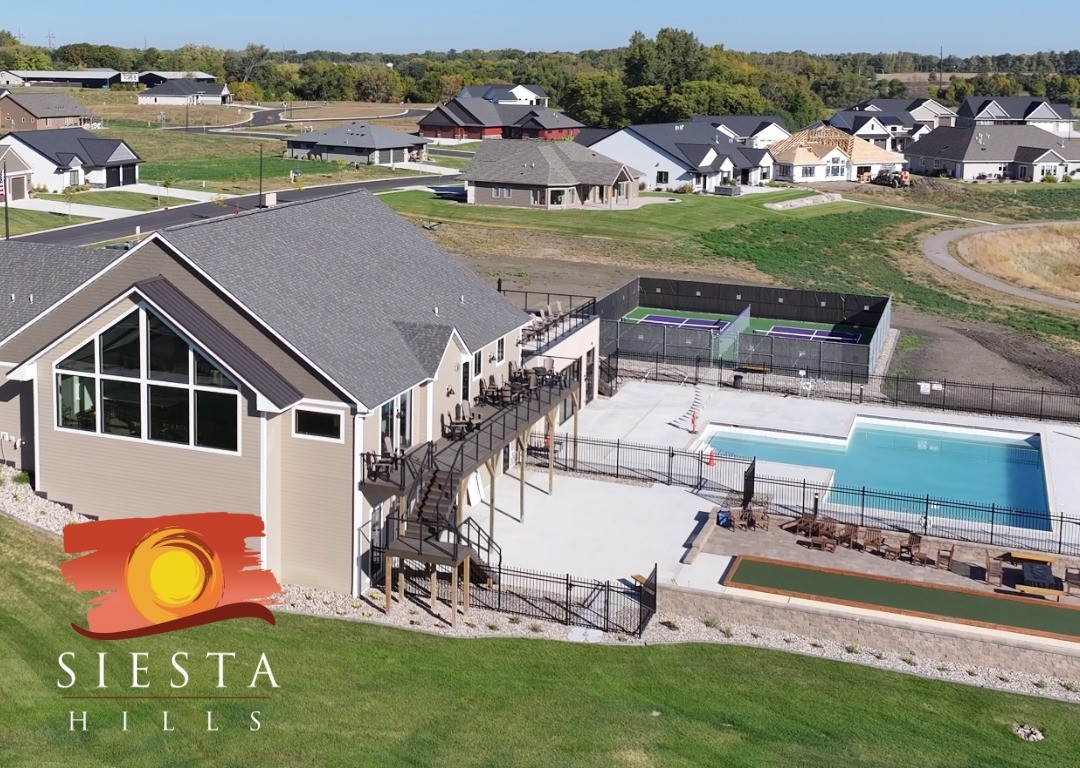
HOA dues also support amenities that would be expensive or impractical to maintain independently. These may include indoor and outdoor pools, fitness centers, golf courses or simulators, pickleball courts, community rooms, commercial kitchens, clubhouses for gathering or relaxing, and community pub or lounge spaces. When compared to separate gym memberships, club fees, or private event rentals, these shared amenities often represent strong overall value.
Beyond facilities, dues support connection. Shared spaces encourage neighbors to interact, gather, and build relationships. When dues are managed responsibly by a local, community-led resident owners board with long-term planning in mind, they help create stability, pride of ownership, and a neighborhood atmosphere built on respect and cooperation.
Common HOA Terminology
Most HOAs operate under governing documents that define how the community functions. These typically include covenants, conditions, and restrictions, often referred to as CC&Rs, bylaws that outline how the association is run, and rules or guidelines that address everyday matters such as parking, landscaping, and exterior changes. HOA dues or assessments fund operations, shared amenities, insurance, and reserve accounts for future repairs and major projects.
Why HOAs Have Rules
HOA rules exist to reduce conflict and establish clear expectations across the community. Without shared standards, neighborhoods can quickly experience issues related to neglected property, safety concerns, excessive noise, or disputes between neighbors.
Homeowners who value upkeep, predictability, and mutual respect often appreciate HOA living. Those who prefer to ignore guidelines, leave projects unfinished, or treat shared spaces as personal storage areas often do not. In most cases, the issue is not the existence of rules, but how clearly they are written and how fairly they are applied.
Parking Rules and Their Purpose
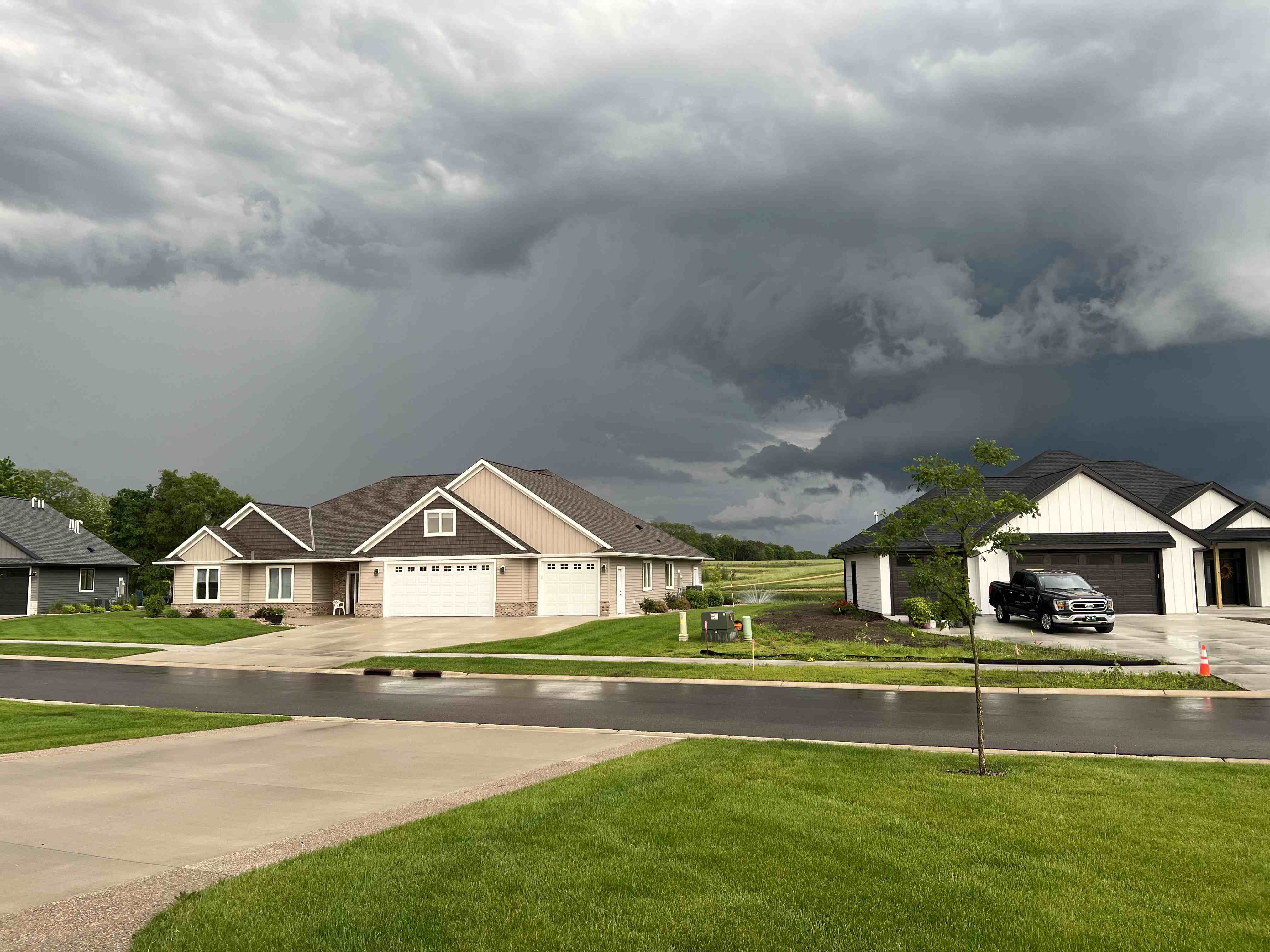
Parking rules are among the most visible aspects of HOA governance. These guidelines are commonly in place to maintain emergency vehicle access, keep streets clear for snow removal and maintenance, preserve sightlines for safety, and prevent long-term storage from cluttering streets and common areas.
While parking restrictions can feel limiting, they are generally intended to protect neighborhood function, safety, and overall appearance rather than to inconvenience residents.
Boats, RVs, and Trailer Storage in HOA Communities
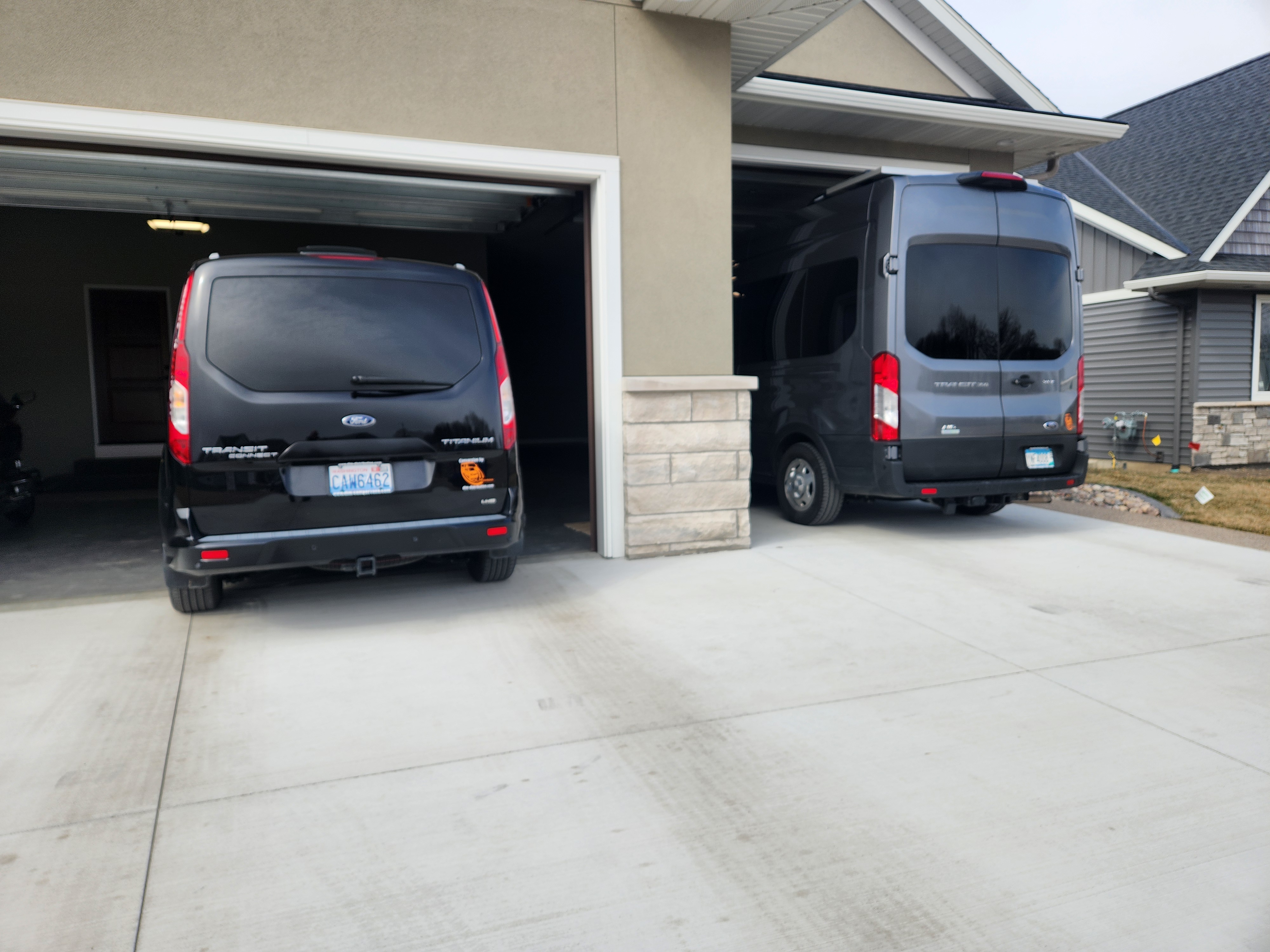
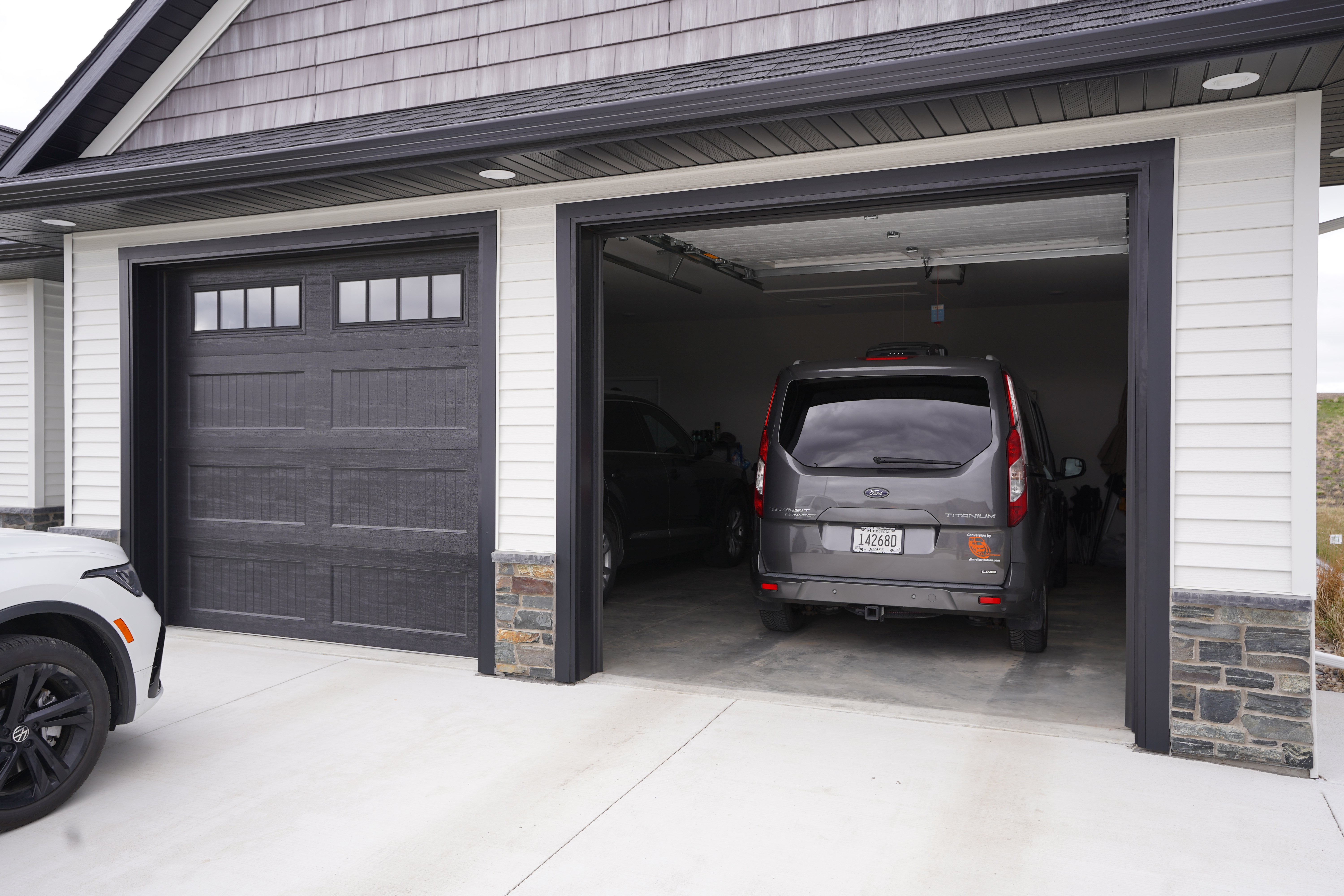
Many HOAs have specific policies regarding parking boats, RVs, campervans, and trailers. These rules vary by community but often include short-term allowances for loading and unloading, requirements for off-site storage, or limits based on size or duration of parking.
The goal is balance. Large vehicles stored long-term in driveways or on streets can affect traffic flow, visibility, and neighborhood appearance, which is why HOAs commonly address these situations directly.
State Laws and HOA Oversight
HOAs operate within a legal framework defined by state law. Each state has its own statutes governing how associations are formed, how finances are managed, and how disputes are resolved. Understanding both state law and an HOA’s governing documents is essential before purchasing a home in any HOA-managed community.
HOA Communities Across the Country
HOA-managed communities exist nationwide, ranging from large, amenity-driven developments in states such as Florida, Nevada, Texas, and California to smaller neighborhood associations throughout the Midwest and Northeast. Communities such as Waterford Lakes Community Association (Florida) and Sun City Summerlin (Nevada) are often referenced as examples of HOA-style living where shared facilities, long-term planning, and consistent standards help shape the overall neighborhood experience. At the same time, many HOA communities across the country place less emphasis on large-scale amenities and instead focus on maintenance, appearance, and neighborhood consistency.
In Minnesota, communities such as Siesta Hills Living (Mankato, Minnesota) reflect a similar amenity-focused approach on a more local scale. With shared facilities and thoughtfully planned neighborhoods, Siesta Hills represents a growing interest in HOA living that prioritizes convenience, connection, and long-term value while remaining rooted in community-driven governance.
The Bottom Line
HOA living is not about control. It is about shared expectations, collective investment, and mutual respect. When guided by a local, community-led resident owners board and supported by responsible financial planning, an HOA can create a clean, organized, and predictable living environment.
For homeowners who value maintenance, consistency, respect for neighbors, and a sense of community—and who take the time to understand the rules before buying—HOA living can be a practical, stable, and positive choice.

DLM-Distribution / Campervans is a licensed manufacturer and dealer located in Lake Crystal, Minnesota, serving clients around the country.
Contact Dave: 651-285-7089 or Candy: 507-382-9446 today!