
NEWS
Understanding the Real Differences Between RV Types
Recreational vehicles come in many shapes and sizes, from large motorhomes to compact campervans. While bigger RVs often attract attention with spacious interiors and residential-style amenities, long-term ownership trends tell a different story. For many people, smaller Class B campervans ultimately prove to be the most practical, flexible, and satisfying option.
Understanding why requires looking beyond square footage and focusing instead on how RVs are actually used in everyday life.

What Defines a Class B Campervan?
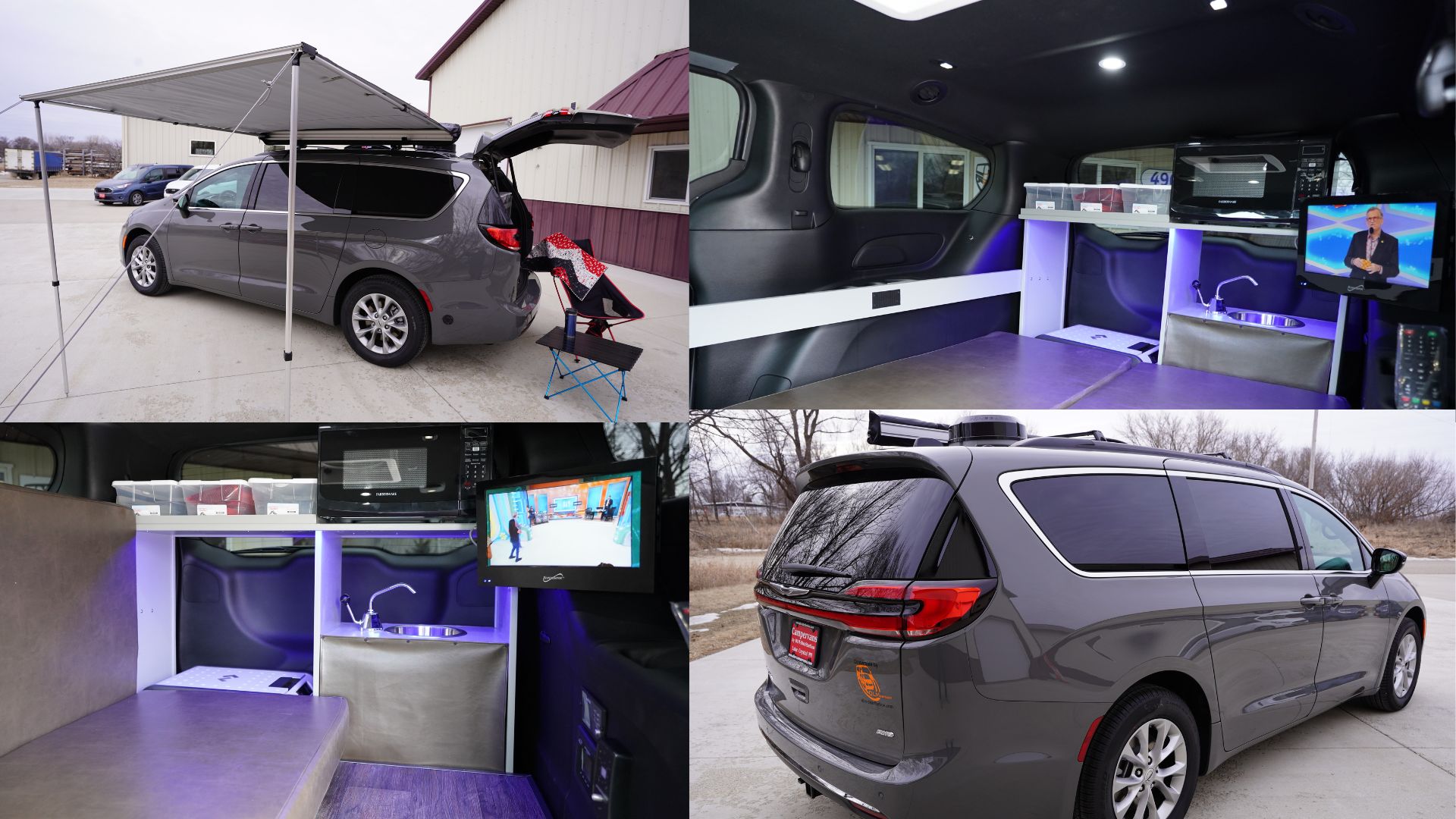
Class B campervans are built on standard vehicle platforms rather than large truck frames. They are fully self-contained RVs, but in a compact form that prioritizes drivability, efficiency, and ease of ownership. Unlike larger RV classes, Class B campervans retain the proportions and road manners of everyday vehicles.
Smaller Class B models take this concept further by emphasizing minimal footprint, simplified systems, and real-world usability rather than maximizing interior volume.
The Practical Limitations of Larger RVs
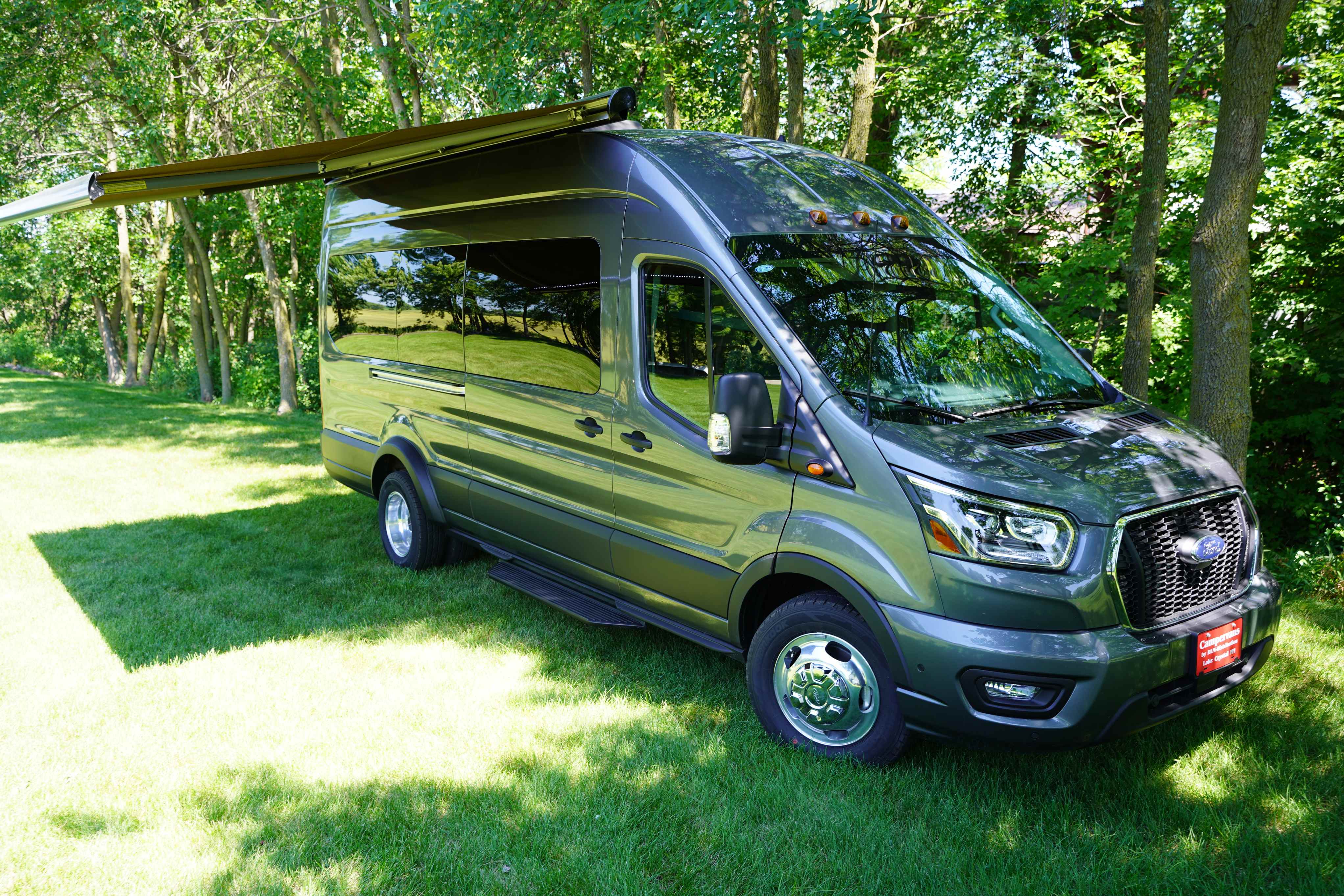
Large Class A and Class C motorhomes can offer impressive interior space, but that space often comes with tradeoffs that become more noticeable over time.
Storage is one of the most common challenges. Many large RVs cannot be parked at home due to size restrictions, neighborhood rules, or homeowner association regulations. Off-site storage adds recurring cost and reduces spontaneous use.
Operating costs also increase significantly as size grows. Fuel consumption, insurance, maintenance, tires, and depreciation tend to scale quickly with vehicle weight and complexity. For many owners, this results in fewer trips per year and a higher cost per mile traveled.
Driving comfort is another factor. Larger RVs require more planning, wider turns, longer stopping distances, and heightened awareness in traffic, parking areas, and urban environments. Over time, this can turn travel into a logistical exercise rather than a relaxing experience.

Why Smaller Class B Campervans Fit Real Travel Habits Better
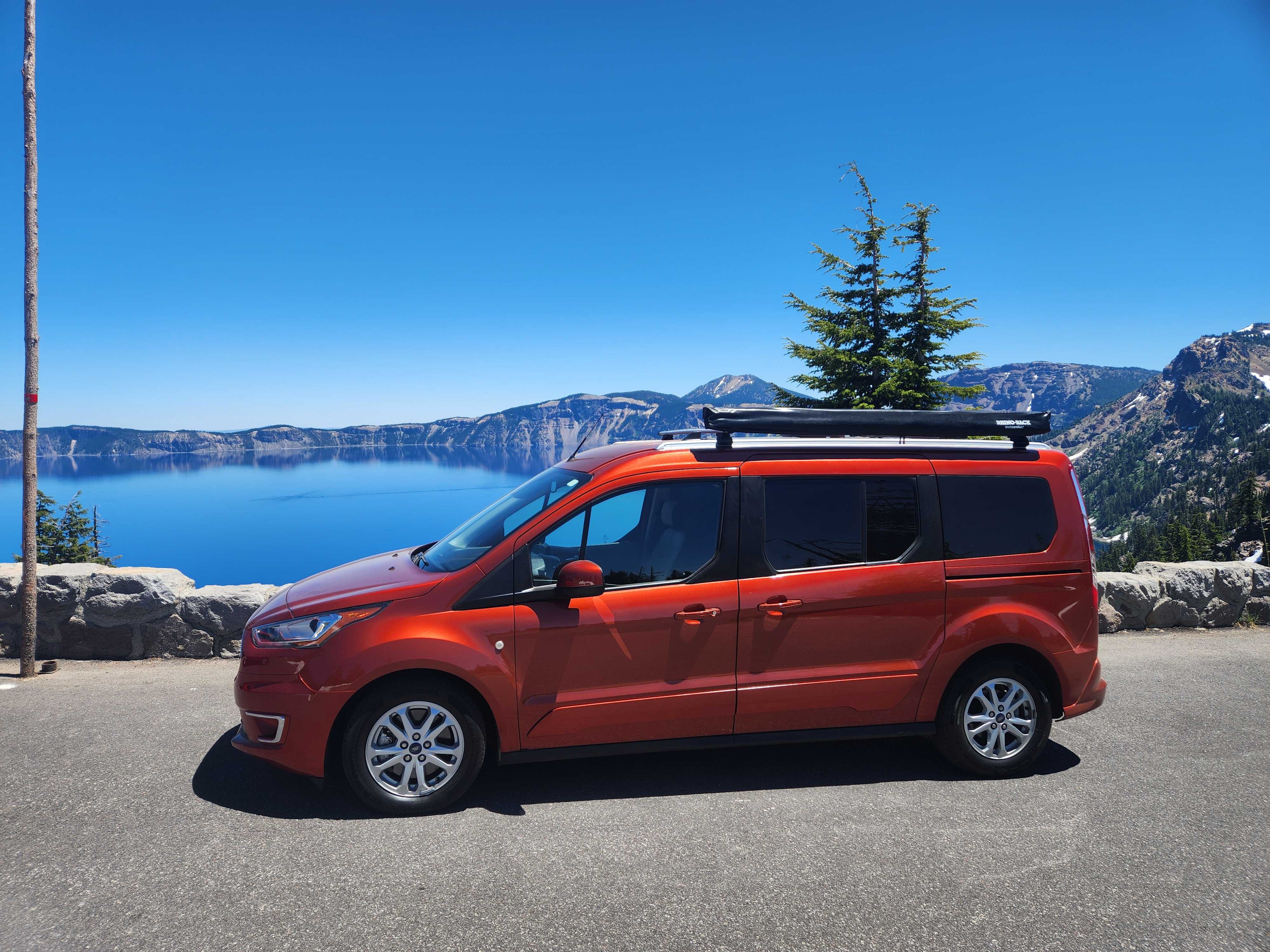
Smaller Class B campervans align more closely with how most people actually travel. They support shorter, more frequent trips, flexible routing, and easy access to destinations that larger RVs often avoid.
Because they drive like regular vehicles, smaller campervans are easier to maneuver on highways, secondary roads, and in towns. Parking is simpler, campsite access is broader, and travel feels less restrictive.
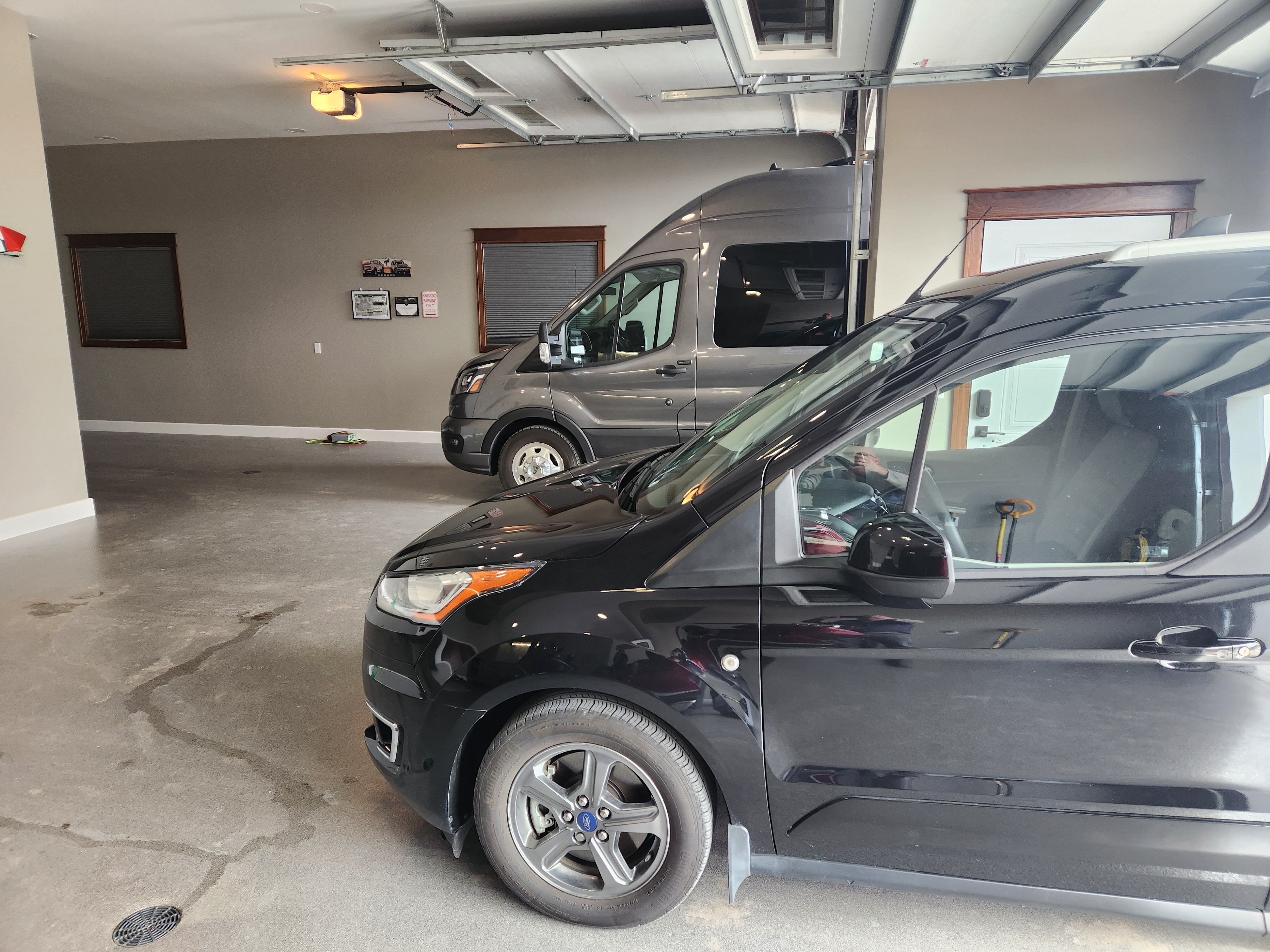
Many owners also value the ability to store their campervan at home. Garage-friendly dimensions eliminate storage fees, reduce weather exposure, and make it easier to use the vehicle regularly rather than only for major trips.
Efficiency Matters More Than Size
Fuel efficiency is one of the clearest advantages of smaller Class B campervans. Their lighter weight and streamlined profiles allow for significantly lower fuel consumption compared to large motorhomes. Over thousands of miles, this difference has a meaningful impact on overall travel cost.
Efficiency also extends to time and planning. Smaller campervans require less setup, fewer reservations, and less concern about road restrictions, bridge heights, or campsite limitations. This makes travel more adaptable and less dependent on advance planning.
Comfort Without Excess
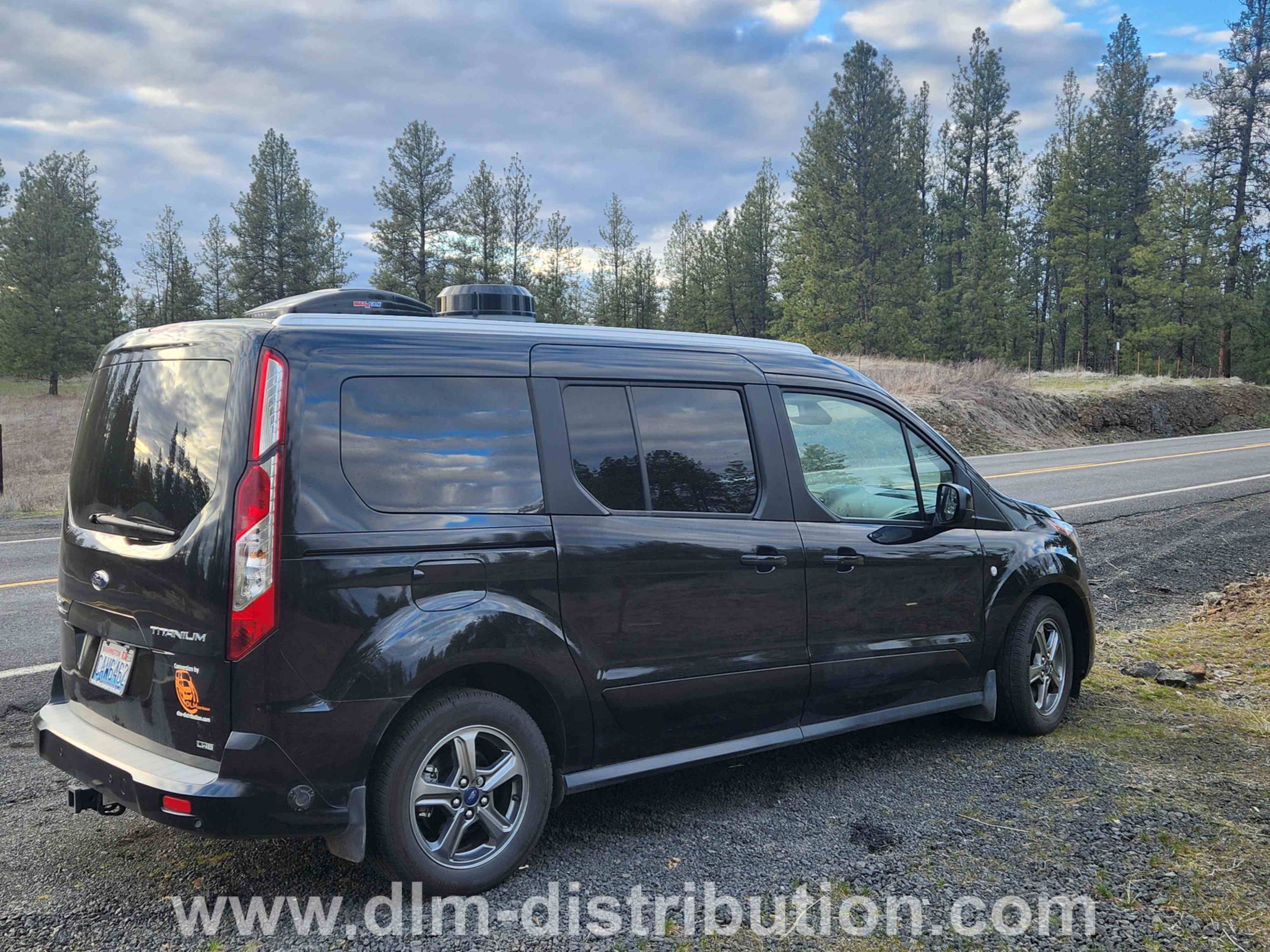
Smaller Class B campervans are designed around essential comfort rather than excess. Sleeping space, basic food preparation, refrigeration, power management, and seating are integrated efficiently, without adding systems that increase complexity or maintenance.
For many travelers, this balance is preferable. It supports independence and comfort while avoiding the overhead associated with larger, more complex RV systems.
Everyday Use Changes Ownership Value
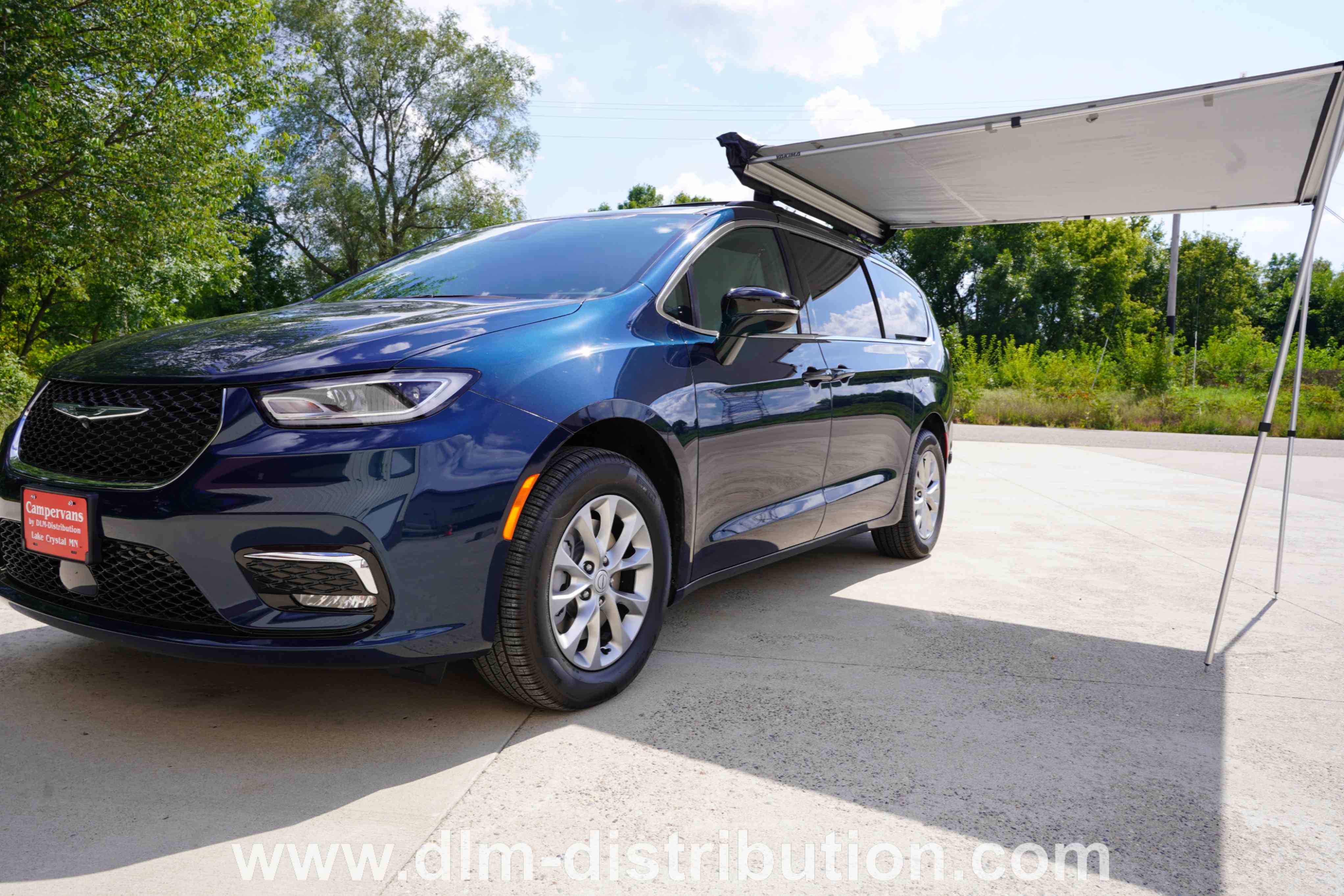
One of the most overlooked advantages of smaller Class B campervans is their ability to function outside of travel. Many owners use them for daily driving, errands, or regional trips. This dual-use capability increases overall value and reduces the feeling of owning a vehicle that sits unused for long periods.
When an RV integrates naturally into everyday life, it tends to be used more often—and enjoyed more consistently.
Choosing the Right RV Is About Fit, Not Size
The best RV is not the largest one available, but the one that fits how you live, travel, and store it. For many people, smaller Class B campervans offer the best balance of mobility, comfort, efficiency, and long-term practicality.
They support frequent travel, reduce ownership friction, and adapt more easily to modern housing patterns and travel preferences. As a result, they are increasingly chosen not as a compromise, but as a deliberate and informed decision.
Final Thoughts
Smaller Class B campervans reflect a shift in how people approach RV ownership. Rather than chasing maximum interior space, more travelers are prioritizing flexibility, efficiency, and ease of use. In many cases, these qualities lead to more travel, fewer obstacles, and a better overall experience.
Understanding these differences helps clarify why, for a growing number of RV owners, smaller truly is better.
Happy Camping!
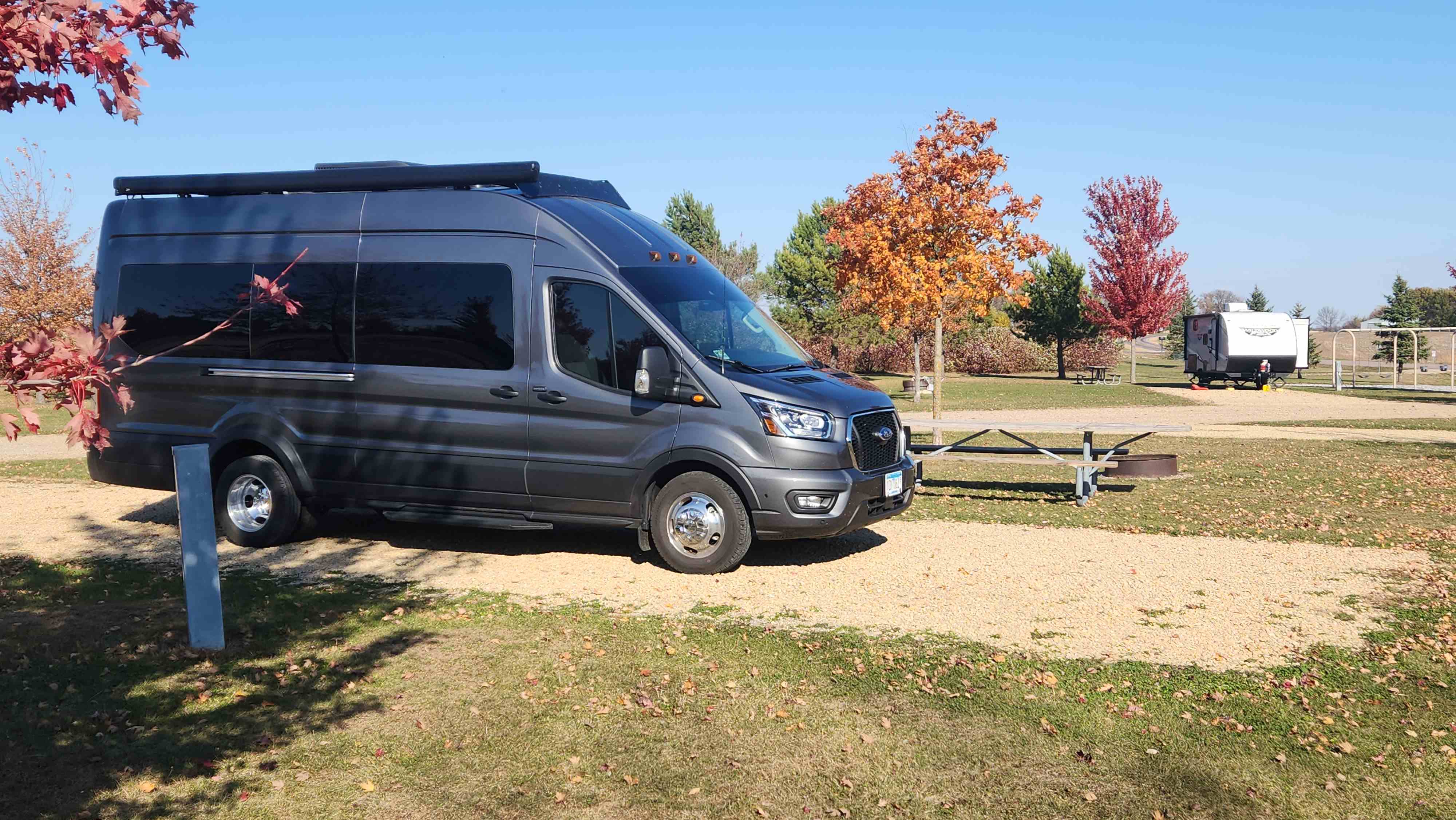
DLM-Distribution / Campervans is a licensed manufacturer and dealer located in Lake Crystal, Minnesota, serving clients around the country.
Contact Dave: 651-285-7089 or Candy: 507-382-9446 today!